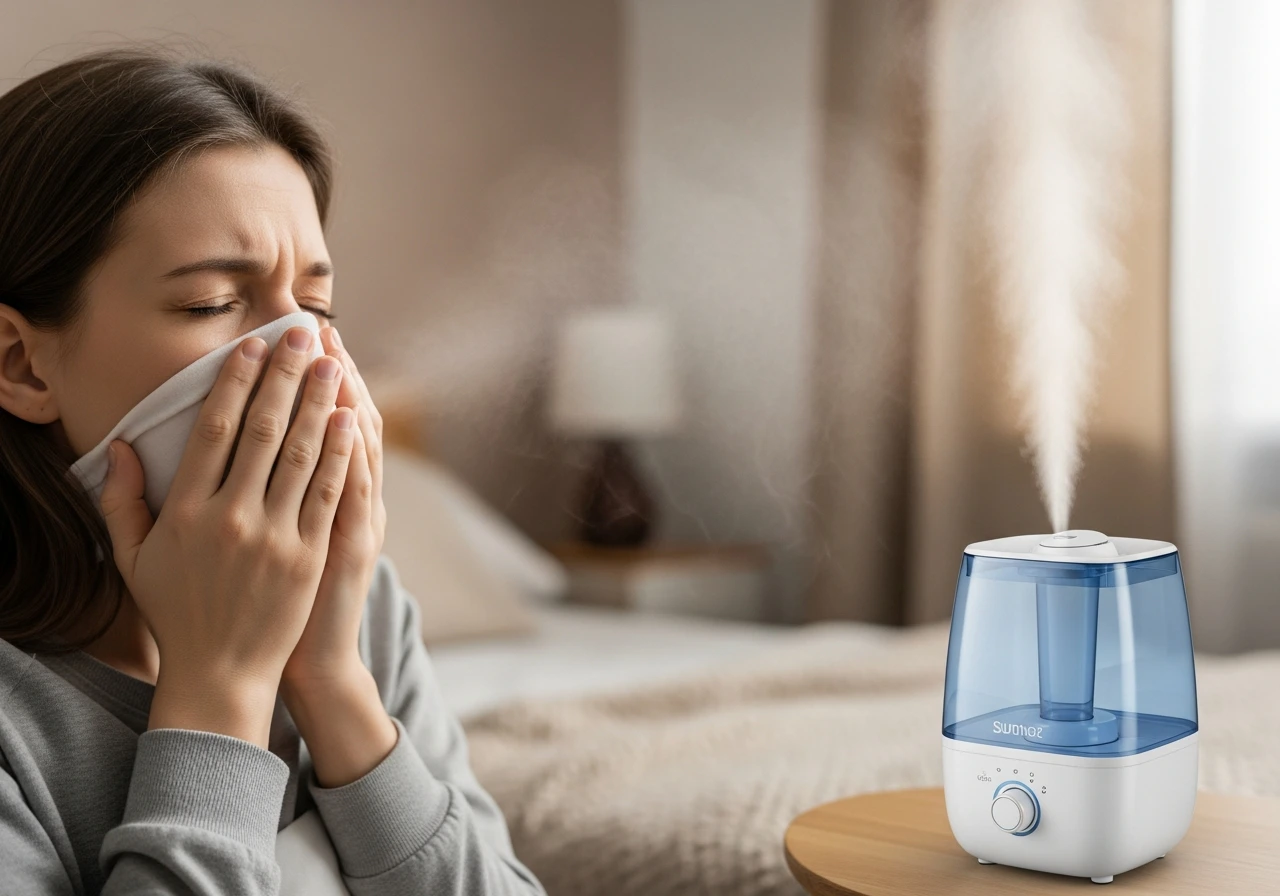
I am a registered respiratory therapist with over a decade of clinical experience. I treat both pediatric and adult pulmonary care patients. Almost daily, someone asks me: ” Do humidifiers help with congestion? Patients often arrive at the clinic struggling to breathe through blocked nasal passages. They are desperate for natural relief. The simple truth is that proper environmental moisture works. It is a highly effective way to support your respiratory system.
Dry indoor air directly compromises your body’s natural defense mechanisms. Your mucous membranes dry out. This quickly leads to thick, immovable congestion. In this comprehensive 2026 guide, we will explain exactly how these devices provide relief. You will learn the science of airway hydration and safe pediatric use. We will also help you choose the right device for your specific symptoms.
Do Humidifiers Help with Congestion?
If you are looking for a direct answer to the question “Do humidifiers help with congestion?”, it is a definitive yes in most cases. When your indoor air drops below optimal humidity levels, the mucus in your respiratory tract becomes thick, sticky, and difficult to expel.
By mechanically adding water vapor back into the air, a humidifier helps thin out this stubborn mucus so your body can clear it naturally. This allows you to blow your nose more effectively and cough up phlegm that is trapped in your chest.
However, there is a very important caveat to this respiratory relief. To experience these benefits, you must keep your indoor humidity levels within the scientifically recommended range of 30% to 50%. Exceeding these levels can actually trigger alternative respiratory issues, which we will discuss later in this guide.
How Do Humidifiers Help with Congestion?
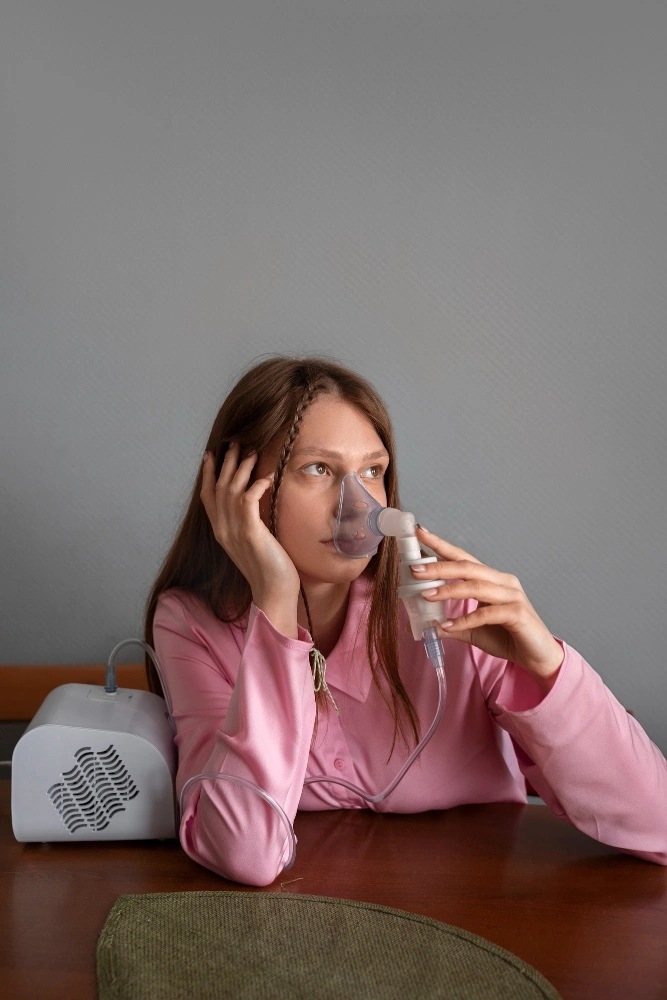
To fully understand how humidifiers help with congestion, we need to look at the anatomy of the human respiratory system. Your nose and throat are lined with a delicate mucous membrane that acts as a primary trap for dust, bacteria, and viruses.
This membrane relies on tiny hair-like structures called cilia to constantly sweep mucus toward the back of your throat to be swallowed and destroyed by stomach acid. When the air you breathe is excessively dry, this entire mucociliary escalator system grinds to a halt.
The mucus dries out, forming a thick barrier that traps pathogens in your nasal passages, leading to severe inflammation and that dreaded “stuffed up” feeling. By adding a steady stream of moisture to the air, humidifiers actively rehydrate your mucous membranes.
This hydration lowers the viscosity (thickness) of the mucus, allowing your cilia to resume their sweeping motion. Ultimately, the added environmental moisture reduces nasal dryness, prevents micro-tears in the nasal lining, and dramatically improves your overall airflow.
Relief for Nasal Congestion
When patients ask if humidifiers help with nasal congestion specifically, I explain the concept of vasodilation and tissue inflammation. A stuffy nose is rarely just trapped mucus; it is usually the result of swollen blood vessels in your nasal passages.
Breathing in dry air aggressively irritates these delicate tissues, causing them to swell and block the airway entirely. Inhaling properly humidified air soothes these irritated tissues, reducing the inflammatory response and shrinking the swollen turbinates inside your nose.
Managing Chest Congestion
Chest congestion occurs when thick phlegm pools in your lower respiratory tract, specifically the bronchial tubes. This makes breathing feel heavy and triggers painful, unproductive coughing fits.
Breathing in moist air from a humidifier acts as a natural expectorant, gradually breaking down the chemical bonds of the thick phlegm. Once the mucus is thinned out by the inhaled moisture, your coughs become productive, allowing you to successfully clear your chest.
Will a Humidifier Help with a Stuffy Nose at Night?
Nighttime congestion is notoriously brutal, leading many to ask, “Will a humidifier help with a stuffy nose at night?” The answer is tied directly to how your body’s circulation changes when you lie flat.
When you lie down to sleep, gravity causes blood to pool in your head and nasal passages, naturally increasing inflammation. If you combine this biological reality with the dry air pumped out by a central heating system, your nose will almost certainly block up completely.
Running a humidifier next to your bed counteracts the environmental dryness, keeping your airway lining lubricated throughout the sleep cycle. This nighttime breathing relief prevents you from mouth-breathing, reducing snoring and ensuring you wake up without a painfully dry, scratchy throat.
Do Humidifiers Help When Sick?
During peak cold and flu season, people constantly ask, “Do humidifiers help when sick?” They are actually one of the most widely recommended supportive treatments by general practitioners.
Viruses thrive in dry environments, and dry air actively suppresses your immune system’s ability to flush out viral particles. Adding moisture to your sick room helps alleviate the holy trinity of illness symptoms: sinus infections, severe congestion, and sore throats.
By keeping your throat moist, you reduce the raw, burning sensation caused by constant coughing and post-nasal drip. Furthermore, well-humidified air helps your sinus cavities drain properly, relieving the intense pressure and headaches associated with sinus infections.
Congestion Relief in a COVID Context
A frequent modern inquiry is regarding humidifiers helping with COVID congestion. It is crucial to clarify the medical limitations here.
A humidifier is absolutely not a cure for COVID-19, nor does it kill the virus once it is inside your body. However, as supportive care, maintaining 40% to 50% indoor humidity can help soothe the severe respiratory irritation and dry cough often associated with the virus.
Do Humidifiers Help Babies with Congestion?
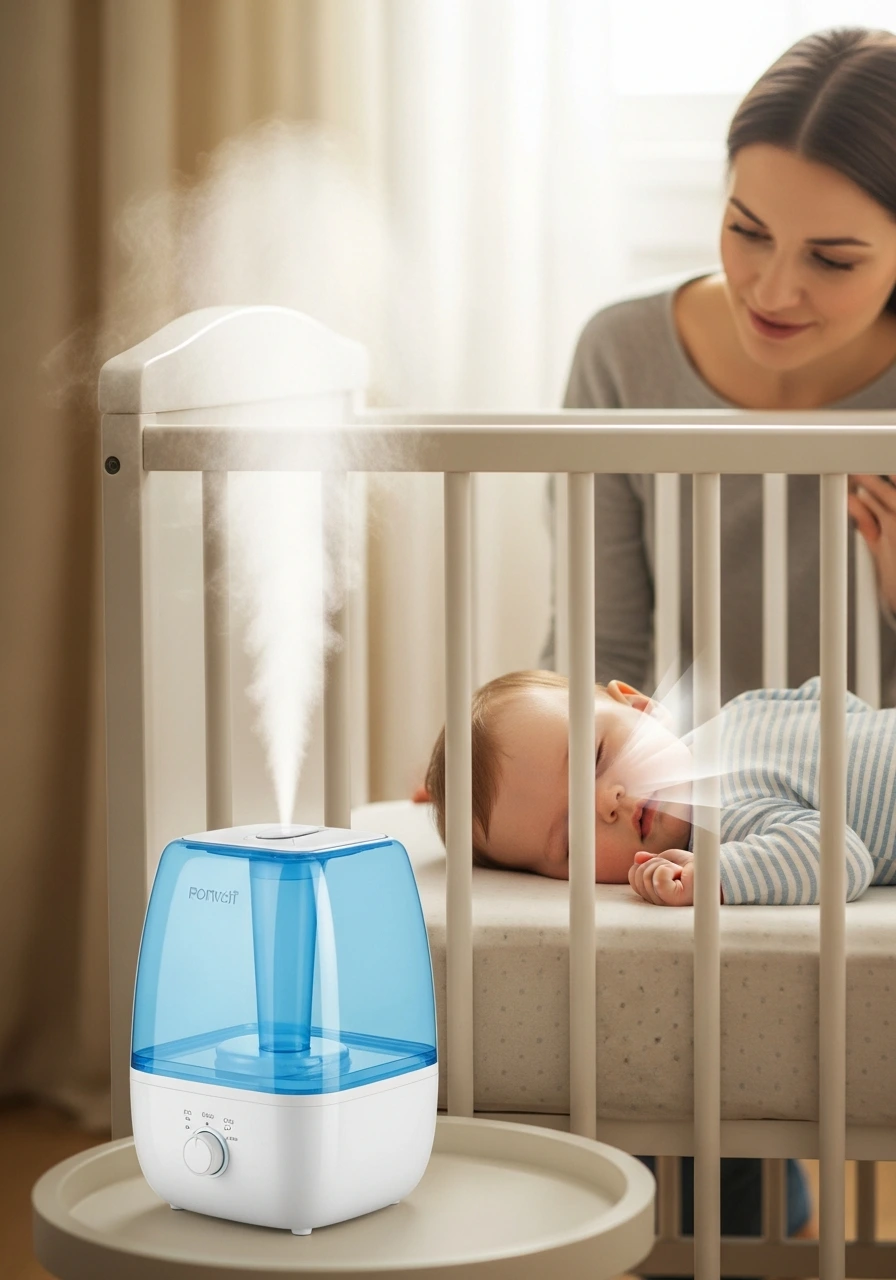
As a respiratory therapist, infant care is where I see these devices shine the most. Parents frantically ask, “Do humidifiers help babies with congestion?”
The physiological challenge is that infants are “obligate nose breathers” for the first few months of life, meaning they do not instinctively breathe through their mouths. If a baby’s tiny nasal passages become blocked by dry, crusty mucus, they will severely struggle to feed and sleep.
Pediatricians universally recommend using a humidifier in the nursery to keep these delicate airways clear and comfortably hydrated. It allows the baby’s body to naturally clear out the congestion without the need for medications, which are often unsafe for infants.
It is absolutely imperative to use only a cool mist humidifier in a baby’s room to completely eliminate the risk of accidental steam burns. Additionally, parents must maintain strict hygiene, cleaning the water tank daily to prevent the infant from inhaling aerosolized bacteria.
When to Use a Device for Congestion
You should use a humidifier the moment you notice the air in your home feeling dry or when the first symptoms of a cold appear. Do not wait until your chest feels incredibly heavy or your nose is completely blocked.
Starting humidification early in an illness keeps the mucus from hardening in the first place, making the entire duration of the sickness much more manageable.
Cool Mist Humidifier for Congestion
When shopping for relief, you will undoubtedly come across the cool mist humidifier for congestion. This is the medical standard recommended by both the American Academy of Pediatrics and the Mayo Clinic.
Cool mist humidifiers use either a high-frequency ultrasonic vibrating plate or an internal fan and wick filter to disperse room-temperature moisture into the air. They are incredibly energy-efficient because they do not rely on an internal heating element to boil water.
More importantly, they are inherently safer than warm mist models, especially in households with toddlers or curious pets who might knock the unit over. The cool moisture is highly effective at shrinking swollen nasal passages, providing rapid, soothing relief for upper respiratory inflammation.
Do Humidifiers Help with Cough?
Patients suffering from lingering illnesses often wonder, ” Do humidifiers help with coughs?” To answer this, we must distinguish between a dry, hacking cough and a wet, productive cough.
A dry cough is usually caused by an irritated, ticklish throat or hyper-reactive airways responding to dry environmental triggers. Humidifiers bathe these hypersensitive throat receptors in moisture, calming the irritation and significantly suppressing the urge to cough.
For a wet cough, the moisture acts differently; it hydrates the lower airways, making the trapped phlegm much less viscous. This airway hydration means you do not have to cough as hard or as violently to expel the mucus from your lungs.
Humidifier vs Dehumidifier When Sick
Understanding the difference between a humidifier and a dehumidifier when sick is critical for respiratory recovery. These two appliances do the exact opposite jobs and are used in entirely different environmental conditions.
A humidifier adds moisture to the air and is necessary during cold winter months when indoor heating drops humidity below 30%. You use it when you have dry nasal passages, thick chest congestion, a dry cough, or sinus pressure.
A dehumidifier removes moisture from the air and is used during humid summer months or in damp, musty basements. You would only run a dehumidifier when sick if your indoor humidity is already exceeding 60% and you are suffering from asthma triggered by dust mites or mold.
Vaporizer for Congestion vs Humidifier
Another common point of confusion is choosing a vaporizer for congestion vs. a humidifier. A vaporizer (often called a warm mist humidifier) contains an internal heating element that boils water to release pure steam into the room.
Because the water is boiled, the steam emitted is generally free from waterborne bacteria, making it highly hygienic. Many vaporizers also feature a medicine cup at the top where you can add inhalants like camphor or eucalyptus oil for extra sinus relief.
However, the major drawback is the severe burn hazard they present if tipped over, making them unsuitable for pediatric use. Ultimately, while steam feels incredibly soothing on a cold night, both cool mist and warm mist are equally effective at hydrating your nasal passages.
What Do Humidifiers Do?
If we strip away the medical context, what do humidifiers do mechanically? They act as climate control devices that correct environmental moisture imbalances.
During the winter, cold outside air holds very little moisture; when that air is brought inside and heated by your furnace, the relative humidity plummets. This creates a “thirsty” environment that actively sucks moisture out of your hardwood floors, houseplants, and your own skin and lungs.
A humidifier intercepts this process by mechanically pushing water vapor into the environment, satisfying the air’s demand for moisture. By maintaining a balanced humidity level, the machine protects your physical health and preserves the structural integrity of your home.
Can Humidifiers Cause Congestion?
It may sound contradictory, but can humidifiers cause congestion? Yes, they absolutely can if they are misused or poorly maintained.
The most common cause of humidifier-induced congestion is over-humidification, which occurs when you let the room’s humidity climb above 50%. High humidity creates a tropical breeding ground for dust mites and toxic mold, both of which are aggressive respiratory allergens that will instantly block your nose.
Furthermore, if you neglect to clean the water tank, the machine will breed bacteria and aerosolize it directly into your breathing space. Inhaling these microbial contaminants causes an inflammatory immune response in your lungs, leading to severe, asthma-like congestion known as “humidifier lung.”
When Should You NOT Use a Humidifier?
Knowing when to abstain is just as important as knowing when to use one. You should not use a humidifier if your home’s baseline humidity is already sitting comfortably at or above 45%.
Adding more moisture to an already balanced room will cause condensation to form on your windows, eventually dripping down and causing black mold inside your walls. Additionally, individuals with severe, uncontrolled allergies to dust mites should consult an allergist before use, as moisture allows these microscopic pests to thrive.
If you notice a musty smell in your room, or if you see visible dampness on your bedding or furniture, turn the machine off immediately.
Does High Humidity Affect Breathing?
This brings us to the question: Does high humidity affect breathing? Yes, excessive moisture in the air can make breathing feel incredibly labored and heavy.
When the air is overly saturated with water vapor (above 60%), sweat cannot evaporate from your skin, causing your core temperature to rise and your heart to work harder. For individuals with chronic obstructive pulmonary disease (COPD) or severe asthma, inhaling heavy, damp air can trigger bronchial spasms.
The goal is never to turn your bedroom into a rainforest; the goal is to reach that golden ideal range of 30% to 50% relative humidity. Always pair your device with a digital hygrometer to monitor the exact moisture levels in your room.
Is It Good to Sleep with a Humidifier On?
For optimal respiratory health, is it good to sleep with a humidifier on? Yes, running the machine overnight provides continuous, localized relief right when your body needs it most.
During sleep, your body performs critical cellular repair, including repairing the micro-damage done to your respiratory tract throughout the day. Providing a moist environment supports this healing process and prevents you from waking up with a sore throat or dry mouth.
Just ensure you place the unit about three feet away from your bed, elevated on a nightstand, so the mist has time to evaporate before hitting your sheets.
Running Humidifier When Not Sick
The benefits extend far beyond illness, making running a humidifier when not sick an excellent preventative health practice. Maintaining healthy indoor humidity keeps your skin from flaking, prevents your lips from chapping, and stops painful static electricity shocks.
From a respiratory standpoint, keeping your airway cilia constantly hydrated ensures your body’s natural filtration system is always ready to fight off incoming dust and viruses. Consistent, everyday use during the winter is a proactive way to maintain your family’s overall comfort and wellness.
Humidifiers Pros and Cons
To make an informed decision about your indoor air quality, you must objectively weigh the pros and cons of these devices. While the health benefits are substantial, they are not zero-maintenance appliances.
Understanding what you are signing up for will help you integrate the device into your routine without causing accidental harm.
Pros
- Congestion relief: Rapidly thins out stubborn mucus in the nose and chest, making it easier to breathe.
- Better sleep: Reduces snoring, prevents morning sore throats, and keeps airways open while lying flat.
- Skin hydration: Acts as an environmental moisturizer, curing dry, itchy winter skin and chapped lips.
- Vocal cord protection: Keeps vocal cords lubricated, preventing voice loss and hoarseness in dry environments.
Cons
- Cleaning required: Must be scrubbed with white vinegar weekly to prevent toxic mold and bacterial growth.
- Mold risk: Running the machine on too high a setting can cause water damage and mold growth on walls and windows.
- Distilled water costs: Ultrasonic models require distilled water to prevent white mineral dust from covering your furniture.
Do You Need a Humidifier with a CPAP?
Sleep apnea patients frequently ask, “Do you need a humidifier with a CPAP?” Continuous Positive Airway Pressure (CPAP) machines force a constant stream of pressurized air into your airway to keep it from collapsing.
This relentless airflow is incredibly drying and can leave patients with painful nasal burning, nosebleeds, and a mouth as dry as the desert. Because of this, almost all modern CPAP machines come with heated humidifiers built directly into the unit.
The built-in CPAP humidifier warms and moisturizes the pressurized air before it reaches your mask, dramatically improving comfort and ensuring you remain compliant with your sleep apnea therapy.
Best Humidifier for Stuffy Nose
If you are struggling with congestion, selecting the best humidifier for stuffy nose relief is critical for your recovery. The market is saturated, but a few specific categories stand out for their performance and safety.
- Best for bedroom: Ultrasonic cool mist models, like those from Levoit or Honeywell, offer high output with virtually silent operation, ensuring your sleep is not disturbed by loud fan noises.
- Best for baby: Crane’s filter-free drop designs are pediatric favorites because they are incredibly easy to clean and do not require expensive replacement wicks.
- Best quiet model: If you are a light sleeper, look for units specifically marketed as “ultrasonic,” as they use high-frequency vibrations rather than motorized fans to create vapor.
- Best budget option: The Vicks Filter-Free Cool Mist Humidifier is a durable, medical-grade workhorse that provides exceptional congestion relief without breaking the bank.
How to Get Rid of Congestion
While a humidifier is a powerful tool, understanding how to get rid of congestion requires a holistic, multi-step approach. You cannot rely on just one method if your sinuses are completely locked up.
First, utilize your humidifier to ensure your ambient environment is actively working to thin your mucus rather than dry it out. Second, you must practice aggressive internal hydration; drinking massive amounts of water and warm herbal teas physically waters down the mucus from the inside.
Third, utilize direct steam inhalation by taking a hot shower or leaning over a bowl of hot water with a towel over your head for immediate, intense relief. Finally, pair these environmental therapies with sterile saline nasal sprays to physically flush dried crust and allergens out of your nasal cavities.
Reddit & Real User Experiences
When searching for real-world advice, checking “do humidifiers help with congestion Reddit” threads reveals a massive consensus among chronic allergy sufferers. Real users consistently describe humidifiers as absolute “game-changers” for surviving brutal winter colds and chronic sinus infections.
However, the real-world feedback also highlights a universal frustration: the absolute necessity of rigorous cleaning. Many users admit to making the mistake of letting water sit in the tank for days, resulting in a room that smells like a wet dog and exacerbating their cough.
The overarching reality shared by the community is that the congestion relief is 100% real, provided you commit to daily water changes and weekly vinegar deep-cleans.
Frequently Asked Questions
Do humidifiers help with congestion?
Yes, they are highly effective. By adding moisture to dry indoor air, they rehydrate your mucous membranes, which thins out thick, sticky mucus and allows your body to expel it more easily.
Why do humidifiers help?
They help because human airways require a specific level of moisture to function. Hydrated air keeps the microscopic cilia in your respiratory tract moving, allowing them to naturally sweep irritants and thinned mucus out of your nasal passages and lungs.
Do humidifiers help babies?
Absolutely. Because infants primarily breathe through their noses, even minor congestion can disrupt their feeding and sleeping. A cool mist humidifier safely keeps their delicate nasal passages open and lubricated without the need for medications.
Can humidifiers cause congestion?
Yes, if used improperly. Over-humidifying a room past 50% encourages the rapid growth of dust mites and mold, which are powerful allergens that cause nasal blockages. Additionally, a dirty water tank will blast bacteria into the air, triggering severe respiratory inflammation.
Should I use one when sick?
Yes, using a humidifier is a medically recommended supportive therapy for colds, flu, and sinus infections. The added moisture soothes sore throats, reduces sinus pain, and makes chest coughs much more productive, speeding up your overall comfort and recovery.
Conclusion
Managing your indoor air quality is crucial. It is a highly proactive step for your respiratory health. Do these devices actually help with congestion? As detailed in this guide, it all comes down to airway biology.
Aim for an ideal indoor humidity of 30% to 50%. This creates the perfect environment for your body. Proper moisture naturally thins mucus and soothes airway inflammation. It even helps you fight off viral infections.
You might need relief for a congested infant. Perhaps you are battling a stubborn winter cough. Or maybe you just want to sleep without a stuffy nose. In any case, a well-maintained humidifier is an invaluable medical tool.
Just remember the golden rule of respiratory care. A humidifier is only as clean as its water. Prioritize daily maintenance so you can breathe easier.
Evidence-Based References:
- Penn Medicine – Sinus Infection (Sinusitis) – Symptoms and Causes
- Mount Sinai – What Can I Do About This Cough?
- Stanford Medicine Children’s Health – Air Filters, Dehumidifiers, and Humidifiers
- Nationwide Children’s Hospital – Humidifiers for Respiratory Infections: Are They Helpful or Harmful?
- Nationwide Children’s Hospital – Common Cold in Children