As an Indoor Air Quality (IAQ) specialist with over fifteen years of experience evaluating residential and commercial environments, the most common question I hear from clients battling dry winter air is simply: ” Are humidifiers good for you?”
When people ask if these moisture-adding devices are truly beneficial for their health, the short answer is yes—but there is a catch.
Understanding the science behind indoor humidity is essential to fully reap the benefits and avoid potential hazards.
In this comprehensive guide, we will explore exactly how these devices impact your lungs, skin, sleep, and overall wellness so you can make the right choice for your home.
Are Humidifiers Good for You?
If you are wondering, “Are humidifiers good for you?” The simplest answer is a resounding yes, provided they are used correctly. These devices are incredibly effective at combating the harsh physical symptoms associated with severely dry indoor air.
However, they are only good for you if you meticulously clean them and maintain your indoor humidity within the ideal range of 30% to 50%.
If you allow the humidity to exceed 50%, or if you neglect regular cleaning, the device can actually become detrimental to your health.
What is a humidifier & what does it do?
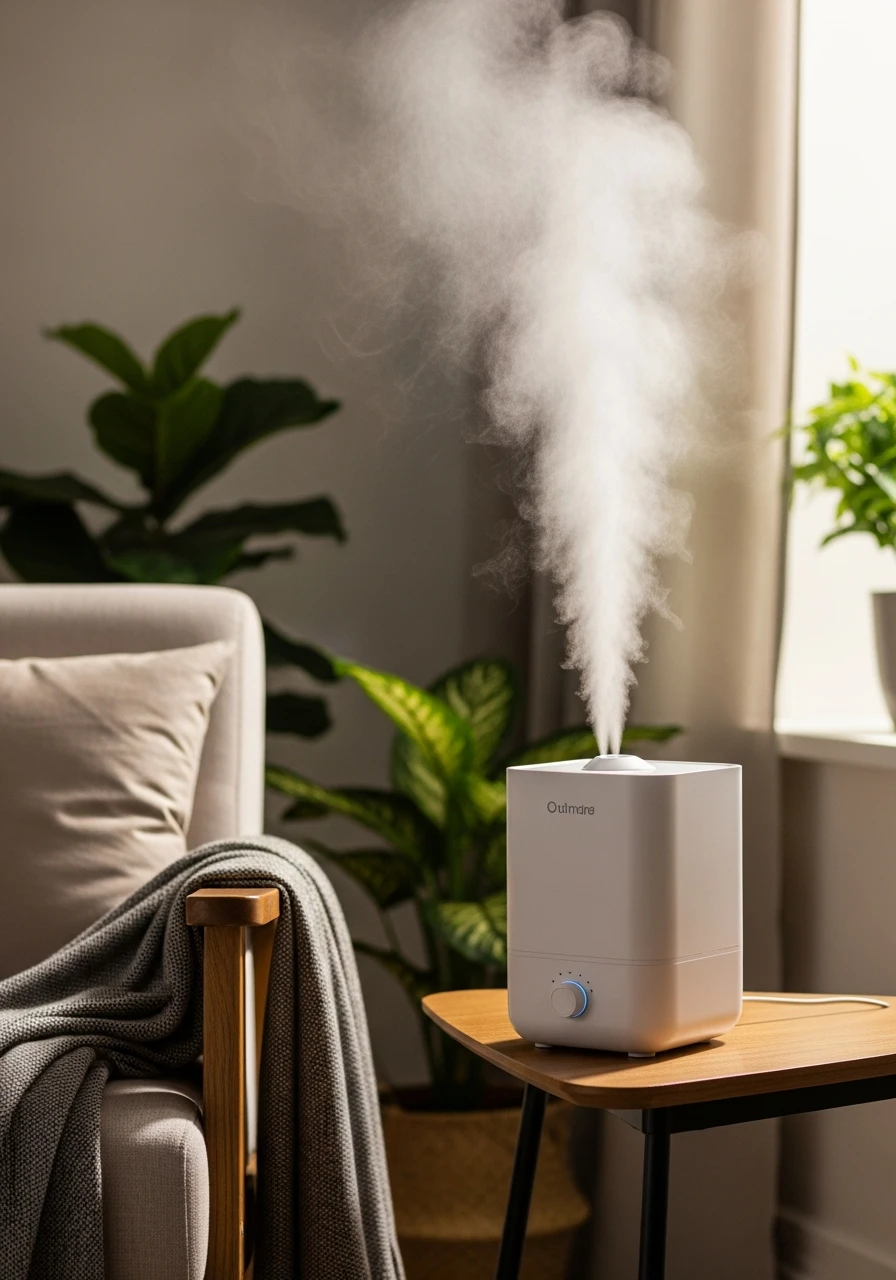
At its core, a humidifier is an electrical appliance designed specifically to emit water vapor or steam to increase moisture levels in the air.
When people ask what a humidifier is used for, the primary application is alleviating the physical discomfort caused by dry environments.
Is a humidifier a good idea? Absolutely. They are widely used in bedrooms, living spaces, and baby nurseries to balance indoor climates.
By mechanically forcing moisture back into the environment, these machines significantly improve your home’s overall indoor air quality.
Why Are Humidifiers Good for You?
When evaluating why humidifiers are good for you, you must look at how the human body reacts to dry air.
Human mucosal membranes—the linings of your nose, throat, and lungs—require a specific amount of moisture to function properly.
When your indoor environment lacks humidity, these membranes dry out, leading to micro-tears, irritation, and a weakened immune barrier.
So, how are humidifiers good for you? They restore this environmental balance, supporting everything from your respiratory health to your skin’s elasticity.
Benefits of a Humidifier While Sleeping
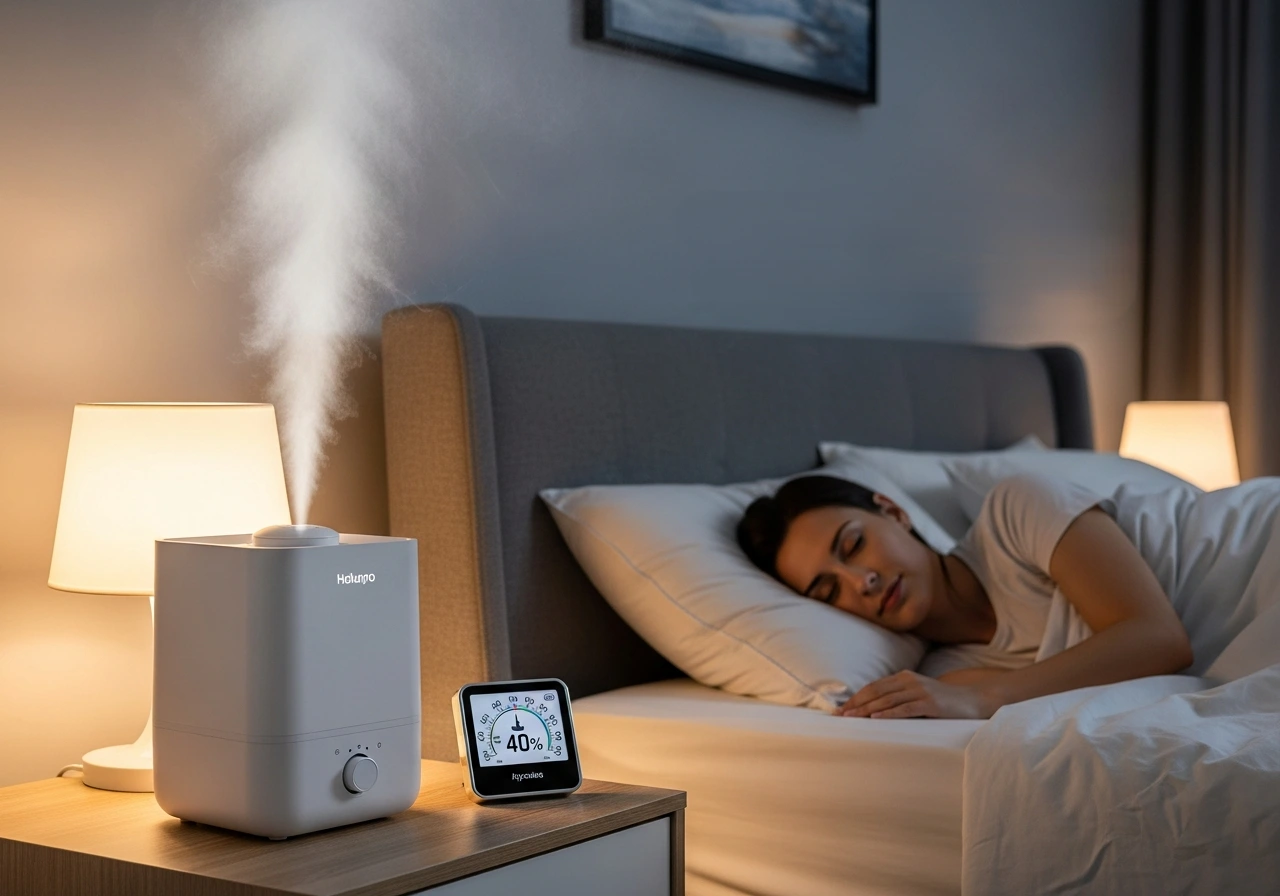
The benefits of a humidifier while sleeping are truly transformative for chronic snorers and light sleepers alike.
When you sleep in a dry room, your nasal passages constrict, forcing you to breathe through your mouth.
This leads to a painfully dry throat upon waking and drastically increases the frequency and volume of snoring.
Placing a humidifier in the bedroom keeps your airways lubricated, ensuring deeper, uninterrupted sleep and preventing morning voice hoarseness.
Lung Health and Respiratory Relief
Many patients ask, “Are humidifiers good for your lungs?” The answer is generally yes, especially for preventing dry airway irritation.
Moist air helps keep the cilia (tiny hairs in your respiratory tract) active, which allows them to efficiently sweep away dust and pathogens.
However, individuals with severe allergies or asthma must be cautious not to over-humidify their space.
Excessive moisture can trigger asthma by promoting dust mite proliferation, so monitoring levels with a hygrometer is critical.
Skin Hydration and Anti-Dryness Effects
If you suffer from winter eczema, you might wonder, ” Are humidifiers good for your skin? Dermatologists enthusiastically agree that they are.
Dry indoor air aggressively pulls moisture directly from your epidermis, leading to a phenomenon known as trans-epidermal water loss.
This causes flaking and painful cracking and exacerbates conditions like psoriasis and severe dermatitis.
Running a humidifier acts as an environmental moisturizer, protecting your skin barrier and keeping your complexion hydrated and supple.
Canine Health and Pet Safety
Pet owners frequently ask, “Are humidifiers good for dogs?” Just like humans, dogs suffer immensely from dry indoor heating.
A humidifier helps soothe a dog’s dry, itchy skin, reduces static shocks when you pet them, and eases their dry winter coughing.
It is important to use a cool-mist model around pets to prevent accidental burn injuries if the unit is knocked over.
Additionally, avoid adding essential oils to the water, as many common oils are highly toxic to canine respiratory systems.
Are Humidifiers Good for You When Sick?
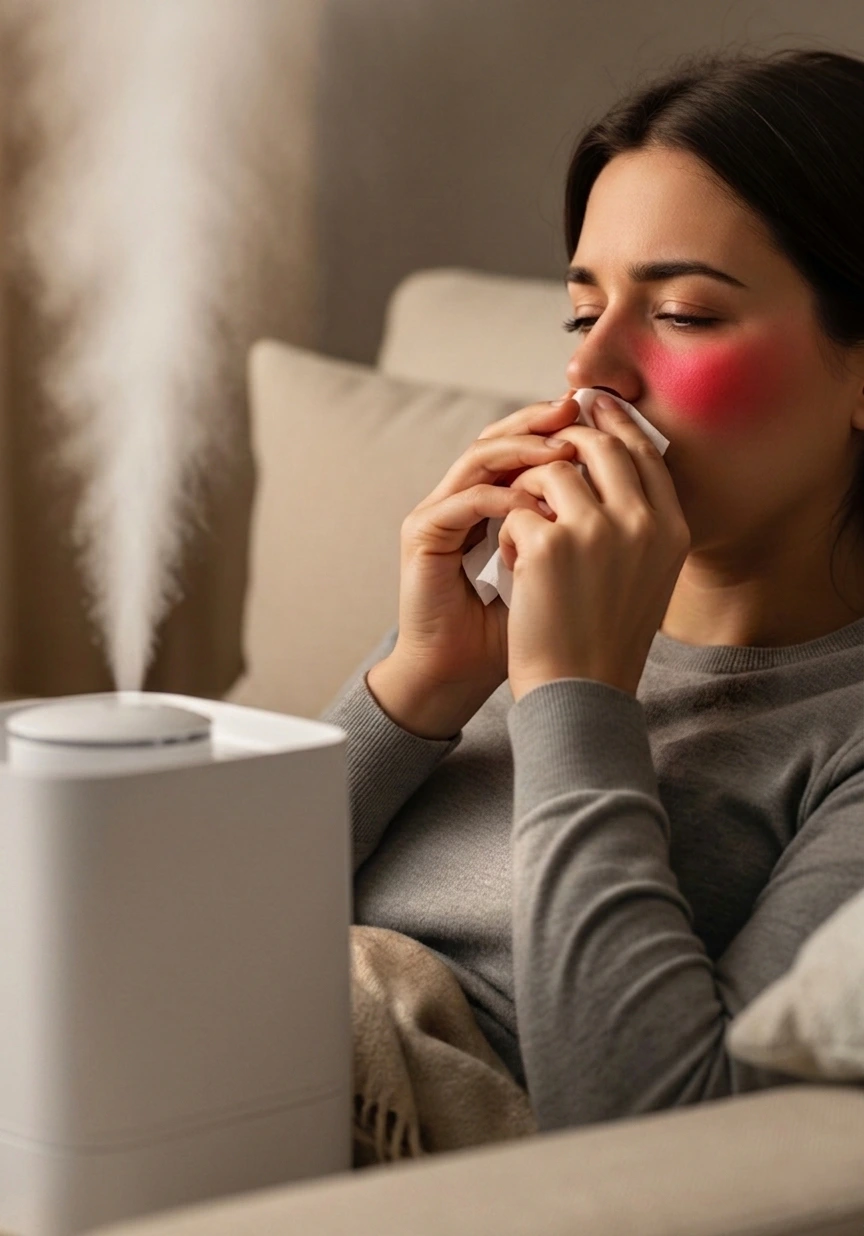
When flu season strikes, people often wonder, “Are humidifiers good for you when sick? Medical professionals heavily recommend them.
Viruses thrive in dry air, and a dry respiratory tract struggles to fight off infections efficiently.
If you are wondering if humidifiers are good for you when you’re sick, they are excellent at thinning out stubborn, thick mucus.
By keeping the nasal passages moist, they relieve severe sinus congestion and soothe the raw, burning sensation of a chronic cough.
RSV Considerations and Medical Guidance
A critical question for parents is, should you use a humidifier if you have RSV? Respiratory syncytial virus causes intense airway inflammation.
Pediatricians consistently recommend using a cool-mist humidifier to help infants and toddlers cope with RSV symptoms.
The cool moisture helps shrink swollen blood vessels in the respiratory tract, making it easier for the child to breathe.
However, it is vital to keep the machine impeccably clean to avoid introducing secondary bacterial infections into compromised lungs.
Are Humidifiers Good for You in Winter?
During the colder months, the question of whether humidifiers are good for you in winter becomes highly relevant.
When temperatures drop, the absolute humidity outside plummets, and your home’s central heating system dries the air out even further.
Furnaces bake the remaining moisture out of the air, often dropping indoor humidity to a desert-like 15%.
Using a humidifier counteracts this extreme dryness, protecting your health and even preventing your wooden furniture from cracking.
Benefits of a Humidifier in an Air-Conditioned Room
While we associate humidifiers with winter, the benefits of humidifiers in air-conditioned room environments are equally important.
Air conditioners are designed to cool air by removing heat, but the refrigeration cycle inherently strips massive amounts of moisture from the room.
This is why you may wake up with a scratchy throat or dry eyes in the middle of summer.
Running a humidifier alongside your AC unit ensures your room stays cool without becoming an excessively arid environment.
Humidifier Benefits for Baby
The humidifier benefits for baby nurseries cannot be overstated, as infants are incredibly vulnerable to respiratory blockages.
Babies have microscopic nasal passages that can become entirely blocked by a tiny amount of dried mucus.
A cool-mist humidifier keeps their airways clear, helping them breathe and sleep without gasping for air.
Always maintain the nursery’s humidity between 40% and 50%, and never point the mist nozzle directly at the baby’s crib.
Pros and Cons of Humidifiers
Before making a purchase, it is vital to weigh the pros and cons of humidifiers to ensure they fit your lifestyle.
While the health advantages are immense, they are not a “set it and forget it” appliance.
If you ignore the maintenance requirements, the humidifier’s cons can quickly outweigh the positive benefits.
Below is a detailed breakdown of what to expect when introducing one of these devices into your home.
Pros of a Humidifier
The pros of a humidifier focus primarily on establishing a healthy, comfortable, and optimized indoor environment.
- Better sleep: Lubricated airways reduce snoring and prevent sleep interruptions caused by dry mouth.
- Improved breathing: Thins mucus and helps clear out severe sinus congestion during illness.
- Skin hydration: Prevents painful winter cracking, chapped lips, and dull, dry skin.
- Reduced static electricity: Adds enough moisture to the air to stop painful static shocks from carpets.
Negative Risks of a Humidifier
You must also consider what the negatives of a humidifier are. The primary negative is the risk of mold and bacterial growth.
If stagnant water is left in the tank, it breeds “pink mold” (Serratia marcescens), which is then aerosolized into your breathing space.
Another massive negative is over-humidification; running it too high will cause toxic black mold to grow on your walls.
Finally, ultrasonic models require distilled water, or they will cover your entire bedroom in a fine, white mineral dust.
Are Humidifiers Bad for You?
People who have had poor experiences often ask, “Are humidifiers bad for you? The machine itself is not bad, but improper use can be dangerous.
Humidifier dangers almost exclusively stem from user error, specifically neglecting to clean the device on a strict weekly schedule.
Inhaling aerosolized bacteria from a dirty tank can lead to a severe respiratory condition known as “humidifier lung.”
They are only bad for you if you refuse to wash the tank with white vinegar or if you blindly let the room’s humidity exceed 60%.
Cool vs Warm Mist Humidifier
Deciding between a cool- vs. warm-mist humidifier depends entirely on who is using it and your specific household needs.
Warm mist models boil water to create pure, sterile steam, making them excellent for intense winter chest congestion.
However, warm mist humidifiers consume a massive amount of electricity and present a severe burn hazard if tipped over.
Cool mist models use fans or ultrasonic vibrations, making them highly energy-efficient and universally safe for homes with children and pets.
Is It Good to Sleep with a Humidifier?
Yes, it is good to sleep with a humidifier running directly beside your bed, provided you follow a few basic rules.
Placing the unit on a nightstand about three feet away from your head is the optimal distance for breathing relief.
You should never point the mist directly at your face or blankets, as this can cause your bedding to become damp and cold.
Using a model with a built-in humidistat is highly recommended so it automatically shuts off once the room hits ideal moisture levels.
Is It Okay to Run a Humidifier Every Day?
Many allergy sufferers ask, “Is it okay to run a humidifier every day?” Yes, daily operation is perfectly fine during dry seasons.
However, you cannot run it blindly; you must monitor your indoor climate with a digital hygrometer.
If it rains outside and your indoor humidity naturally rises to 55%, you should turn the machine off for the day.
Daily usage requires a commitment to daily water changes—never let water sit in the tank for more than 24 hours without refreshing it.
Best Humidifier
If you are convinced you need one, finding the best humidifier involves looking past marketing gimmicks and focusing on output and maintenance.
For the bedroom, ultrasonic models from brands like Levoit offer whisper-quiet operation that will not disturb light sleepers.
If you are buying for a baby, Crane’s filter-free cool mist models are pediatric favorites due to their safety and easy-to-clean designs.
For large, open-concept living rooms, evaporative console models from Honeywell push enough moisture to cover extensive square footage.
If you need a reliable budget option, the Vicks Filter-Free cool mist humidifier provides medical-grade relief at a very accessible price point.
Humidifier vs Air Purifier
Consumers frequently confuse the roles of a humidifier vs. an air purifier, sometimes asking if a humidifier is better than a purifier.
They serve entirely different functions: a purifier uses a HEPA filter to remove solid particles like dust, pollen, and smoke from the air.
An air purifier does absolutely nothing to alter the moisture levels or combat dry air in your home.
You can, and often should, use them together in the same room to achieve perfectly clean, perfectly moisturized indoor air.
How Do Humidifiers Help?
Understanding exactly how humidifiers help requires looking at the physics of airborne moisture.
Dry air acts like a giant sponge, aggressively extracting moisture from your hardwood floors, your houseplants, and your body.
Humidifier benefits come from satisfying the air’s demand for moisture mechanically, so it stops stealing it from your skin and lungs.
By maintaining a balanced vapor pressure in the room, these machines create an environment where your body can heal and rest naturally.
Reddit & Real User Opinions
If you search “are humidifiers good for you reddit,” you will find thousands of passionate testimonials from chronic allergy and asthma sufferers.
Real users constantly praise these machines for instantly curing their chronic winter nosebleeds and painfully dry, cracking lips.
However, Reddit threads also highlight common frustrations, specifically the tedious nature of scrubbing mineral scale out of small water tanks.
The honest consensus from real users is that the massive health benefits are entirely worth the weekly ten-minute cleaning chore.
Frequently Asked Questions
Are humidifiers good for you?
Yes, they are exceptionally good for alleviating dry skin, irritated vocal cords, and sinus congestion caused by overly dry indoor air. However, they must be cleaned regularly to remain safe and beneficial.
Why are humidifiers good for you?
They restore essential moisture to your environment, which prevents your mucosal membranes from drying out. This aids in immune defense, thins out mucus, and helps prevent trans-epidermal water loss from your skin.
Are humidifiers good when sick?
Absolutely. Medical professionals highly recommend them during cold and flu season. The added moisture soothes a raw, burning throat and helps loosen thick chest congestion, making your coughs more productive.
What are the negatives?
The primary negatives involve rigorous maintenance. If left uncleaned, they can breed mold and bacteria, projecting pathogens into the air. Furthermore, running them too high can cause structural mold damage to your home.
Is it safe to sleep with one?
It is perfectly safe and highly beneficial to sleep with one, provided you use a cool-mist model to avoid burn risks. Just ensure the mist isn’t pointed directly at your bed, and use a humidistat to avoid over-saturating the room.
Conclusion
Determining whether these devices belong in your home comes down to understanding the profound impact of indoor air quality on your health.
As we have explored in this 2026 guide, the benefits of maintaining proper indoor moisture levels are vast, spanning from glowing skin to uninterrupted sleep.
However, the responsibility lies with the user to prevent the risks of bacterial growth and over-humidification through diligent cleaning and monitoring.
If you are tired of battling dry winter coughs and cracked skin, investing in a high-quality cool mist humidifier is one of the smartest health decisions you can make.