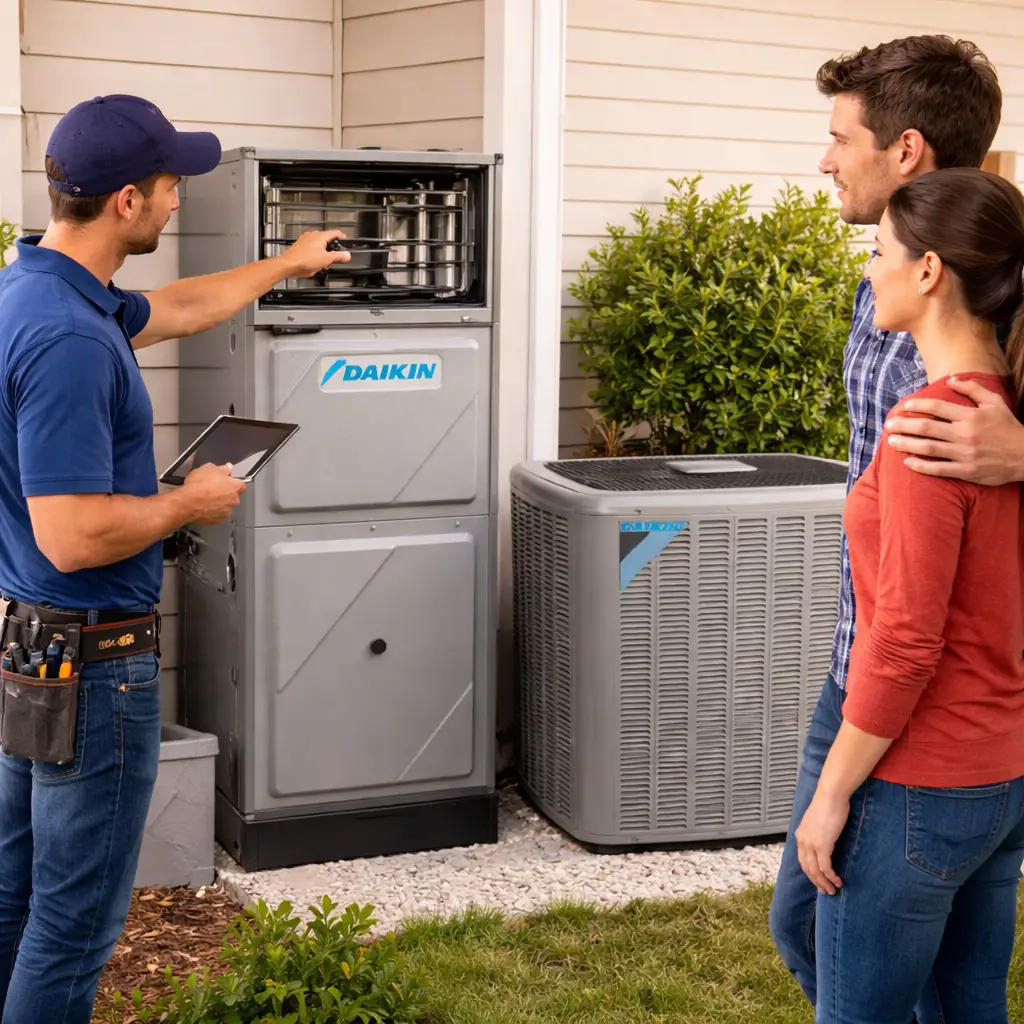
Replacing a home heating system is one of the most significant financial investments a property owner will make. If you are noticing uneven temperatures or skyrocketing winter utility bills, you are likely wondering exactly how much is a new furnace for a 3,000 square foot home.
Because we research and test various gadgets to write in the article, we understand how overwhelming HVAC pricing can be. The final cost depends heavily on your chosen fuel type, system efficiency, and the overall complexity of the installation process.
Large properties require high-output systems that can effectively push warm air to every distant corner and second-story bedroom. Installing an undersized unit will result in constant breakdowns, while an oversized unit will short-cycle and waste massive amounts of energy.
This comprehensive 2026 guide will break down the typical furnace cost for larger homes. We will cover exact price ranges, sizing requirements, brand comparisons, and a detailed breakdown of installation expenses.
Quick Answer – How Much Is a New Furnace for a 3,000 Sq Ft Home?
A new furnace for a 3,000-square-foot home typically costs $4,500 to $10,000 installed, depending on furnace type, efficiency rating, and labor. High-efficiency gas systems cost more upfront but significantly reduce long-term energy bills.
Furnace Cost by Home Size
To properly understand your budget, it helps to look at a furnace pricing guide by size. A larger home requires a larger unit and often more complex ductwork modifications, which directly influences the final bill.
When looking at the average cost of home furnace replacement, calculating the furnace price per square foot can give you a quick baseline. Here is a breakdown of the new furnace average cost based on overall home size:
| Home Size | Furnace Cost (Installed) |
| 1,000 sq ft | $2,500 – $5,000 |
| 1,500 sq ft | $3,000 – $6,000 |
| 2,000 sq ft | $3,500 – $7,000 |
| 2,500 sq ft | $4,000 – $8,000 |
| 3,000 sq ft | $4,500 – $10,000 |
| 4,000 sq ft | $6,000 – $12,000+ |
What Size Furnace Is Needed for a 3,000 Square Foot House?
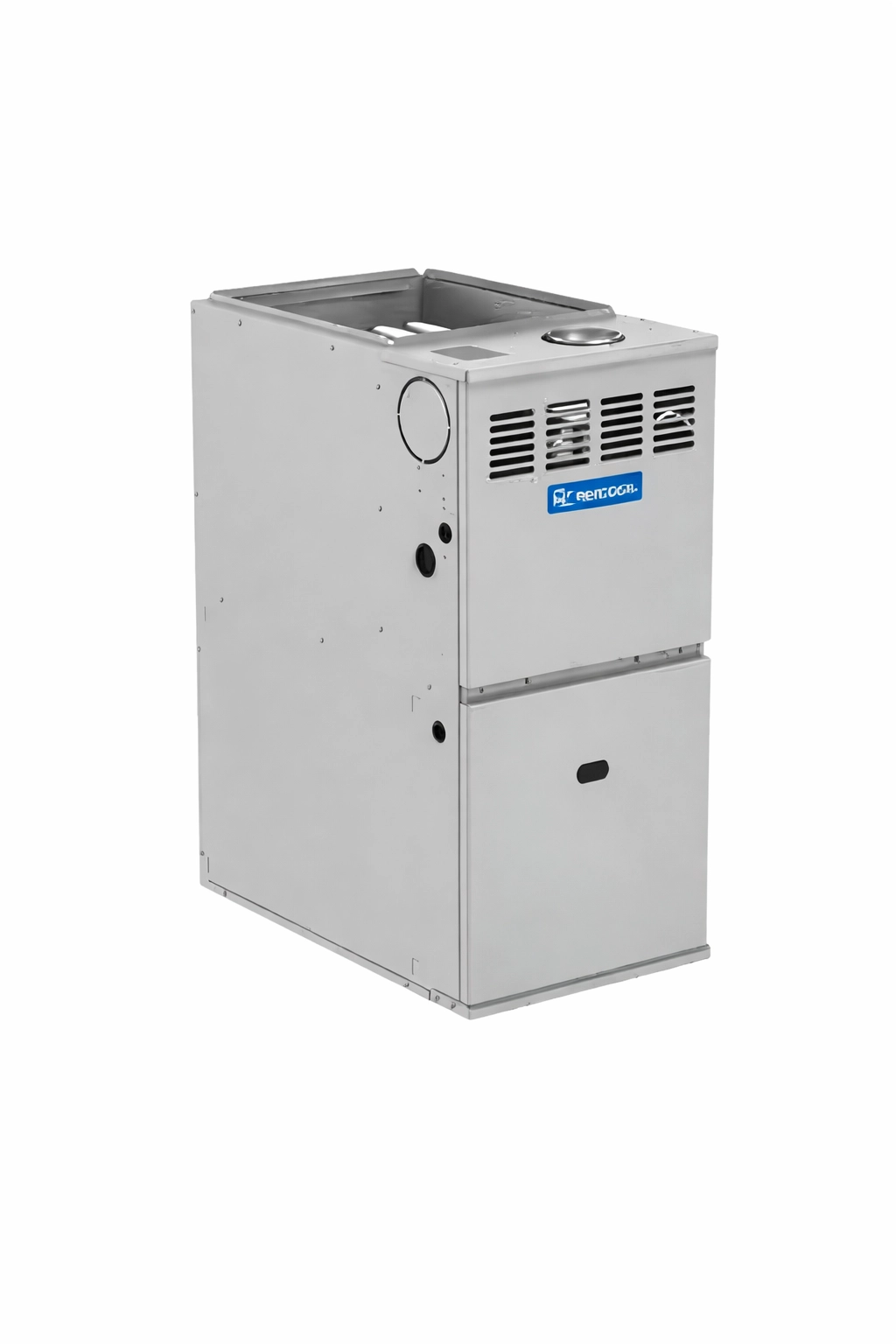
Determining what size furnace is needed for a 3,000 square-foot house is the most critical step before contacting contractors. HVAC professionals measure a furnace’s heating capacity in British Thermal Units (BTUs).
The general rule of thumb for modern, well-insulated houses is that you need between 30 and 60 BTUs per square foot. Therefore, a 3,000-square-foot home generally requires a powerful 90,000 to 150,000 BTU furnace to maintain comfortable indoor temperatures.
However, using a basic home furnace cost estimator is just the starting point. A certified HVAC technician must perform a strict Manual J load calculation to determine your exact required size.
This official calculation factors in your specific climate zone, window quality, ceiling height, and overall insulation levels. Relying strictly on square footage without accounting for these thermal factors can lead to buying the wrong equipment.
Cost of New Furnace and Installation Breakdown
When budgeting, you must separate the raw equipment price from the labor fees. Homeowners often ask how much is a new furnace installed costs, only to be surprised when the labor bill rivals the hardware cost.
The total cost of a new furnace and installation varies widely based on contractor expertise and local building codes. Here is a closer look at what makes up your final invoice.
Furnace Unit Cost
The bare machinery, straight from the manufacturer, typically accounts for $2,000 to $6,000 of your total budget. This price fluctuates based on the brand’s reputation and the unit’s Annual Fuel Utilization Efficiency (AFUE) rating.
A basic 80% AFUE single-stage furnace will sit at the lower end of this spectrum. Conversely, a premium 98% AFUE modulating furnace with variable-speed blowers will push the equipment cost toward the absolute maximum.
Installation Labor
The new furnace cost with installation must account for specialized professional labor. Experienced, licensed HVAC technicians generally charge between $75 and $150 per hour for their specialized expertise.
For a standard replacement in an accessible basement or garage, total labor usually ranges from $1,500 to $4,000. If the unit is located in a cramped crawlspace or a blazing hot attic, contractors will charge a premium for the difficult working conditions.
Additional Costs
Your final bill may include several hidden expenses beyond just the unit and standard labor. For instance, modifying outdated ductwork to accommodate a high-efficiency system can add $500 to $2,000 to the project.
Local municipalities also require building permits and safety inspections for new gas or electrical installations, costing around $100 to $400. Finally, contractors typically charge a fee to safely remove and dispose of your heavy, broken-down old unit.
Gas Furnace Replacement Cost
Across the United States, natural gas remains the most popular and cost-effective fuel source for residential heating. Because natural gas burns incredibly hot and fast, it is ideal for rapidly heating large, 3,000-square-foot properties during harsh winters.
The average gas furnace replacement cost typically ranges from $4,500 to $8,500 for a home of this size. While electric furnaces might be cheaper to purchase upfront, they simply cannot match the fast heating power of a robust gas system.
When calculating the cost of a new gas furnace and installation, you must factor in strict exhaust venting requirements. High-efficiency gas units produce acidic condensation and require specialized PVC venting flues, which can slightly increase installation labor times and material costs.
Despite the higher initial setup fees, a high-efficiency gas system pays for itself over time. Natural gas prices are generally much lower than grid electricity, keeping your monthly utility overhead manageable even during freezing blizzards.
How Much Does a Furnace Cost to Replace?
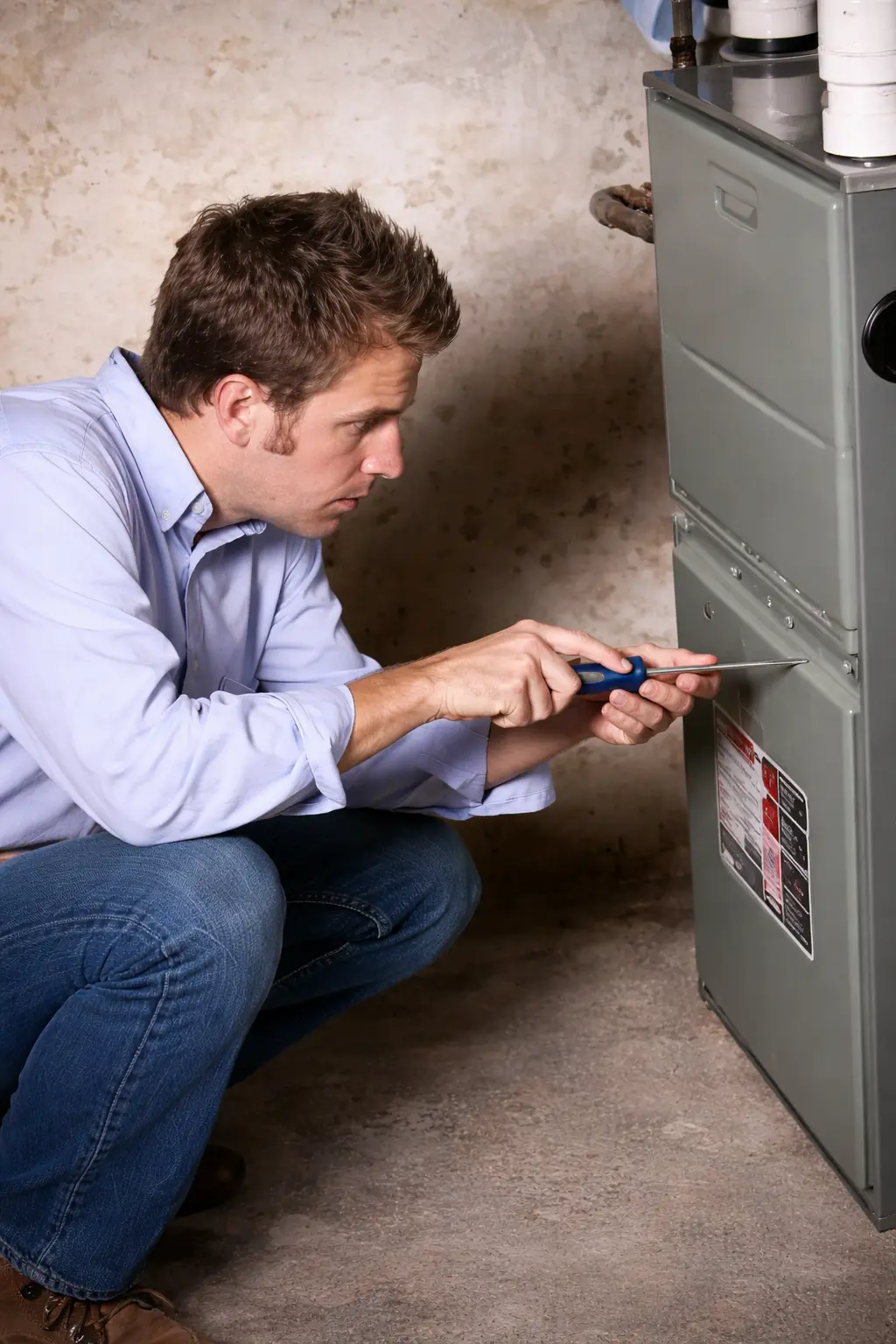
If your current system is failing, you need to prepare for the reality of total replacement. The average cost of replacing new furnace systems in modern homes heavily depends on what you are upgrading from.
A straightforward swap of an old 80% efficiency unit for a new 80% unit keeps labor costs low. A full furnace replacement cost estimate for this simple job usually lands around the $4,000 to $5,500 mark.
However, upgrading to a 96% high-efficiency system requires entirely new exhaust piping and drainage lines. This bumps the overall average cost of furnace replacement closer to the $7,000 to $10,000 range for a massive 3,000 square foot home.
Furnace Cost by Home Size (Detailed Breakdown)
Understanding pricing based on exact square footage helps you avoid getting overcharged by local contractors. Every home layout presents unique heating challenges that directly influence the final installation price.
Smaller homes can easily get by with compact, single-stage units that are relatively affordable to install. Larger properties, however, require robust, variable-speed blowers to push air across massive distances without losing thermal energy.
Below is a highly detailed breakdown of what you can expect to pay based on specific home sizes. We will explore the typical BTU requirements and exactly how the architectural layout impacts the overall pricing.
1,000 Sq Ft Home Systems
For smaller properties, heating requirements are minimal, usually demanding a compact 30,000 to 50,000 BTU unit. If you are wondering how much is a new furnace for a 1,000 sq ft house is, expect to pay between $2,500 and $5,000.
These installations are typically straightforward because the ductwork runs are incredibly short and easily accessible. A standard 80% efficiency unit is often more than sufficient to keep a home of this size perfectly warm.
1,500 Sq Ft Home Systems
As your square footage increases, the system must work harder to maintain consistent temperatures across multiple rooms. Homeowners frequently ask how much is a furnace for a 1,500 square foot house is when upgrading their systems.
For this size, you will need a 45,000 to 75,000 BTU unit, bringing the total installation cost to $3,000–$6,000. Upgrading to a two-stage furnace is highly recommended here to prevent cold spots in distant bedrooms.
2,000 Sq Ft Home Systems
A $2,000 home is the national average, often featuring multiple stories and complex duct layouts. A new furnace for 2,000 square foot house installations typically requires a robust 60,000 to 100,000 BTU system.
The installed price for this tier generally ranges from $3,500 to $7,000, depending heavily on the efficiency rating. Because heating a two-story home is difficult, contractors often recommend variable-speed motors to ensure proper upward airflow.
2,500 Sq Ft Home Systems
Larger layouts demand serious heating power to overcome significant thermal heat loss through multiple windows and doors. If you are researching how much is a furnace for a 2,500 sq ft house is, the budget should be $4,000 to $8,000.
You will need a system capable of producing 75,000 to 120,000 BTUs to keep the space comfortable. At this size, investing in a high-efficiency 95%+ AFUE unit becomes financially logical due to the immense energy savings.
4,000 Sq Ft Home Systems
Massive luxury properties present the biggest challenge for residential HVAC contractors. Finding out how much is a new furnace for a 4,000 square foot home is often reveals costs between $6,000 and $12,000+.
A single unit is rarely enough; these homes usually require dual furnace systems to manage separate heating zones effectively. You will need a combined output of 120,000+ BTUs, along with extensive ductwork zoning controls.
Furnace Cost Per Square Foot Explained
To quickly estimate your upcoming project budget, industry professionals often calculate the furnace price per square foot. On average, you can expect to pay between $2 and $5 per square foot for a complete replacement.
This calculation automatically factors in both the raw equipment pricing and the standard labor rates for your area. If your home requires extensive ductwork repairs or asbestos removal, that price will easily push closer to $6 per square foot.
Home Furnace Cost Estimator (How It Works)
A reliable home furnace cost estimator looks at far more than just the physical size of your property. It deeply analyzes your local climate zone to determine exactly how hard the system will have to work.
Homes in freezing northern states like Minnesota require significantly more heating power than similarly sized homes in Florida. The estimator also evaluates the quality of your home’s insulation, window seals, and the condition of your existing ductwork.
What Is the $5000 Rule for Furnaces?
When deciding between a repair and a replacement, contractors rely on a simple mathematical formula. If you are asking what is the $5000 rule for furnace replacements is, it helps prevent you from wasting money on dying equipment.
You simply multiply the age of your current furnace by the estimated cost of the repair. If that final number exceeds $5,000, replacing the entire unit is the absolute smartest financial decision.
Which Furnace Brand Is Most Reliable?
Because we research and test various gadgets to write in the article, we know that brand reputation dictates longevity. When asking which brand of furnace is most reliable, industry giants like Trane, Carrier, Lennox, and Rheem consistently top the charts.
Trane and Carrier are famous for their rugged durability and premium internal components that outlast the competition. Lennox offers the highest energy efficiency ratings available, while Rheem provides excellent reliability for budget-conscious homeowners.
Furnace Efficiency vs Cost (Long-Term Value)
System efficiency is measured by its Annual Fuel Utilization Efficiency (AFUE) rating, which directly impacts your upfront costs. An 80% AFUE furnace means that 20% of the fuel you buy is wasted as exhaust heat.
High-efficiency systems boast 95% to 98% AFUE ratings, meaning almost zero thermal energy is wasted during combustion. While these premium units cost thousands more to install, they drastically slash your monthly energy bills for decades.
Local Furnace Installation Costs (Near Me Searches)
Your physical location heavily dictates the final price on your contractor’s invoice. When searching for the cost of a new furnace and installation near me, you will notice urban areas charge premium labor rates.
Contractors in major metropolitan cities have higher overhead costs, which they pass down to the consumer. Additionally, searching for furnace replacement costs near me during an emergency winter breakdown will always result in hefty surge pricing.
Pros and Cons of New Furnace Installation
Investing in a brand-new heating system comes with a distinct set of financial benefits and temporary drawbacks. The biggest advantage is a massive reduction in your monthly winter utility bills due to modern energy efficiency standards.
New systems also provide superior indoor comfort, utilizing smart thermostats to eliminate annoying cold spots and uneven heating. Furthermore, a new installation resets your warranty clock, giving you a full decade of protection against major mechanical failures.
The primary disadvantage is the incredibly high upfront cost, which can severely deplete a homeowner’s emergency savings. Additionally, the installation process can be highly disruptive, often taking a full day or two of noisy construction in your home.
Signs You Need a New Furnace
Recognizing a failing heating system early can save you from a freezing, midnight emergency breakdown. The most obvious sign is a sudden, unexplainable spike in your monthly gas or electric utility bills.
If you are constantly calling technicians for minor repairs, the internal components are structurally failing. Finally, if your system is over 15 years old and struggles to keep distant rooms warm, it is time for a replacement.
Frequently Asked Questions
How much is a new furnace for a 3,000 square foot home?
A complete replacement typically ranges from $4,500 to $10,000, factoring in both the equipment and the professional labor. The final price depends heavily on whether you choose a standard 80% efficiency unit or a premium 95%+ modulating system.
What size furnace do I need for 3,000 sq ft?
A well-insulated home of this size requires a heating capacity between 90,000 and 150,000 BTUs. A certified contractor must perform a Manual J load calculation to determine the exact required size based on your climate.
What is the average cost of a new furnace?
Across all home sizes nationwide, the average cost falls between $4,000 and $7,500 for a standard gas installation. Electric systems are generally cheaper upfront, while high-efficiency dual-fuel systems will push the average significantly higher.
Is it worth replacing an old furnace?
Yes, replacing a unit older than 15 years is always a smart financial decision due to the massive efficiency upgrades. Modern systems waste significantly less fuel, meaning the unit will slowly pay for itself through heavily reduced monthly energy bills.
What brand furnace lasts the longest?
Premium brands like Trane, Carrier, and Lennox are widely recognized for having the longest lifespans in the HVAC industry. With strict annual maintenance and regular filter changes, these high-end units can easily operate safely for 20 to 25 years.
Final Verdict – What Should You Expect to Pay?
Replacing the heating system in a massive 3,000 square foot property requires careful planning and a realistic budget. Expect to pay anywhere from $4,500 to $10,000 for a fully installed, appropriately sized unit that can handle the square footage.
Gas systems will continue to dominate the US market due to their unparalleled heating speed and overall cost-effectiveness. The key to maximizing your investment is ensuring the contractor performs a strict load calculation rather than just guessing the size.
Never sacrifice quality for a cheaper installation quote. Hiring a licensed, reputable professional ensures your new equipment operates safely, efficiently, and reliably for the next two decades.