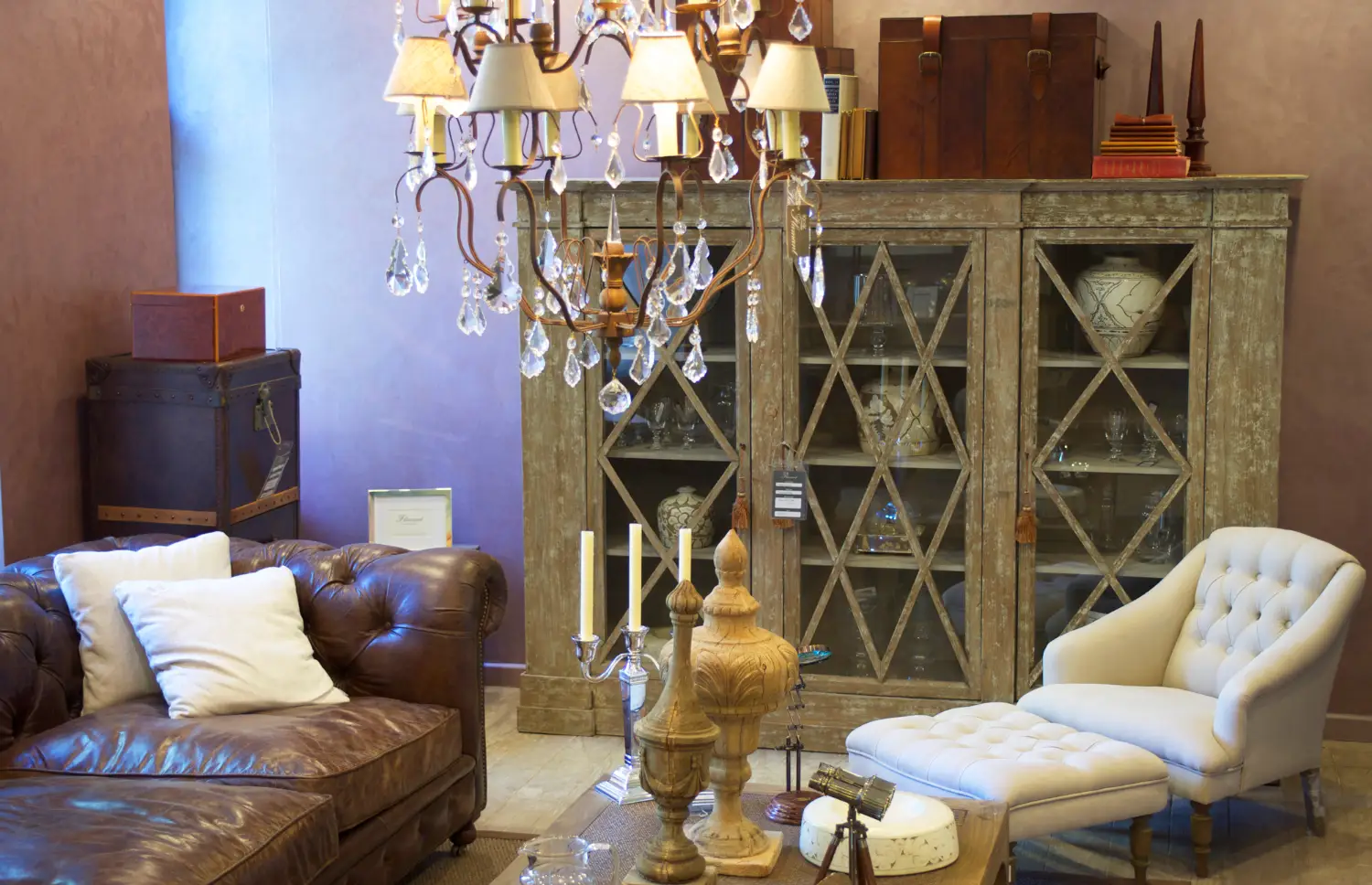
Finding the perfect balance between classic elegance and contemporary flair can feel overwhelming when styling a house. Fortunately, transitional home decor offers the ultimate solution by beautifully merging the best of both worlds. This aesthetic has skyrocketed in popularity because it creates spaces that feel both updated and comfortably familiar.
Whether you are refreshing a single room or renovating an entire house, understanding this design approach is the first step. It is highly versatile, adapting easily to various architectural styles, layout sizes, and personal preferences.
Our team spends countless hours analyzing design movements to bring you the most accurate and reliable trends. Because we research and test various gadgets to write in the article, we know exactly how modern tech seamlessly integrates into these classic spaces. Get ready to explore actionable tips and beautiful inspiration to elevate your home.
What Is Transitional Home Decor?
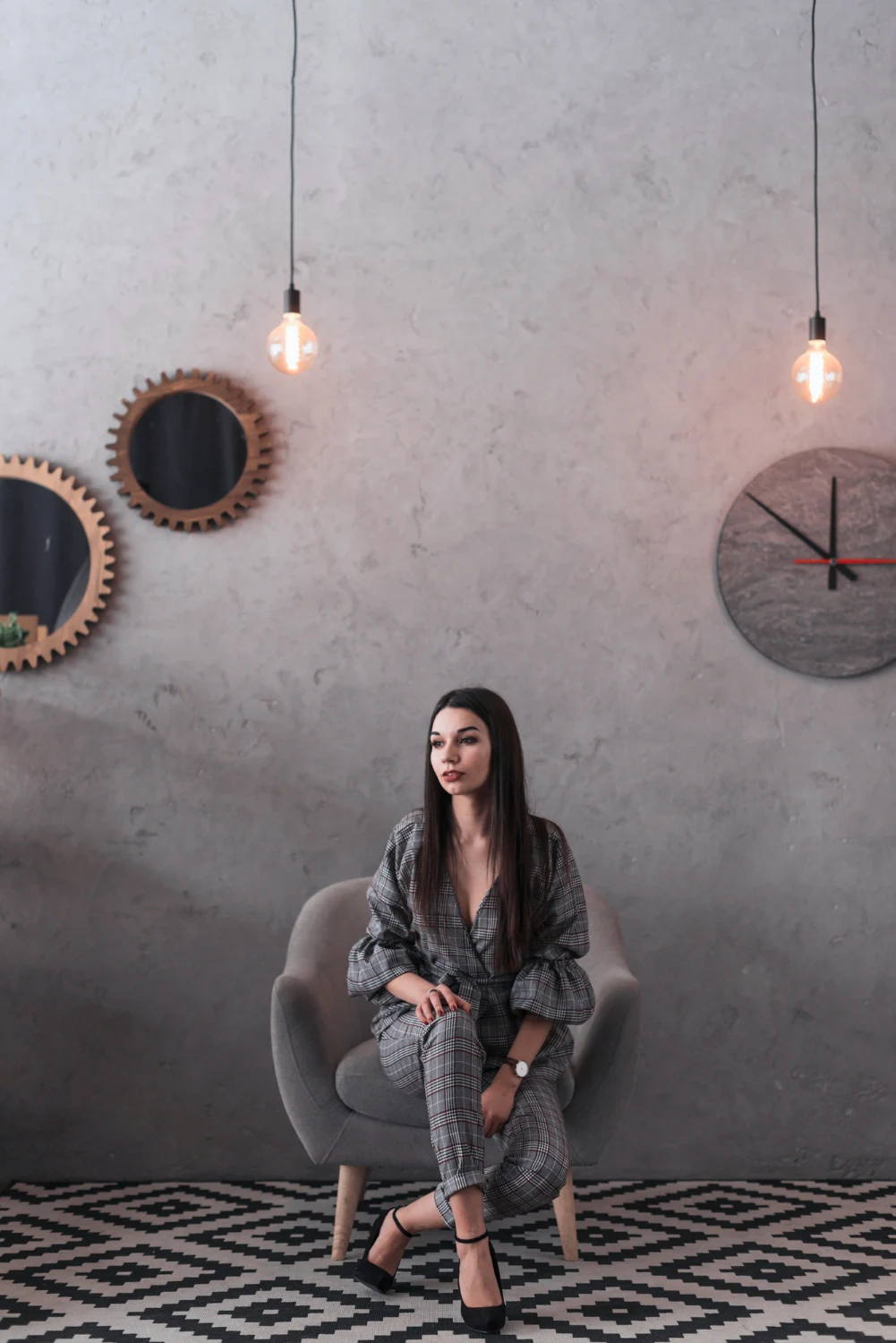
If you are wondering what transitional home decor style is, it is essentially the art of blending traditional elegance with modern simplicity. It takes the sturdy, reliable silhouettes of classic design and updates them with much cleaner lines.
This style deliberately avoids the stark, cold feeling sometimes associated with ultra-modern homes. At the same time, it strips away the heavy ornamentation and visual clutter often found in strictly traditional spaces. The result is a highly curated, sophisticated environment that promotes deep relaxation.
When people ask, “What is the transitional style in home decor?” top designers often describe it as “classic with a contemporary twist.” It relies heavily on a cohesive, neutral color palette to seamlessly bridge the gap between different design eras.
By prioritizing comfort, high-quality materials, and everyday functionality, this approach ensures your home remains timeless. You will never have to worry about your interiors feeling dated or out of fashion after just a few years.
Key Characteristics of Transitional Interior Design
Understanding the core transitional interior design characteristics helps you execute the look flawlessly in your own home. This style is not about randomly mixing old and new items; it requires a thoughtful, deliberate approach to balance.
By following a few specific transitional design style characteristics, you can easily transform any chaotic room into a serene sanctuary. Here are the foundational elements that define this incredibly popular aesthetic.
Balanced Color Palette
The true hallmark of transitional-style interior design styles is a remarkably soothing, neutral color palette. Shades of warm beige, soft cream, taupe, and light gray dominate the walls and large furniture pieces.
These subtle colors create a quiet, grounding backdrop that allows architectural details and high-quality materials to shine. Bolder colors are typically reserved for small accent pieces like throw pillows, vases, or curated artwork.
Mix of Old and New
A successful transitional room seamlessly integrates antique or vintage-inspired pieces with sleek, contemporary items. For example, you might pair a classic, tufted Chesterfield sofa with a highly modern, glass-topped coffee table.
This deliberate juxtaposition keeps the eye moving and prevents the room from feeling like a stuffy museum. The visual tension between the different eras is exactly what gives this style its unique, dynamic energy.
Clean Lines with Soft Edges
Furniture in a transitional home focuses on straight, clean lines rather than the intricate carvings of traditional design. However, these straight architectural lines are immediately softened by plush cushions, rounded corners, and gentle curves.
You will rarely see harsh, sharp angles or overly ornate woodwork dominating these carefully curated spaces. The goal is to create a visual profile that feels sleek and structured, yet undeniably inviting and comfortable.
Minimal but Cozy Design
Transitional spaces embrace a minimalist philosophy when it comes to everyday accessories and surface clutter. Counters and tables are kept relatively clear, displaying only a few carefully chosen, meaningful decorative objects.
Despite this minimal approach, the rooms never feel empty, echoing, or clinical. Coziness is masterfully achieved through the heavy use of layered textiles, warm lighting, and comfortable seating arrangements.
Transitional Home Decor Ideas for Every Room
Implementing transitional home decor ideas requires tailoring the aesthetic to the specific function of each individual room. While the overall theme remains cohesive throughout the house, the execution shifts slightly from space to space.
The key is to maintain a consistent thread of neutral colors and mixed materials as you move through your home. Let’s break down exactly how to apply this beautiful style to your most frequently used living areas.
Living Room Transitional Home Decor
The living room is often the heart of the home, making it the perfect place to showcase transitional home decor living room concepts. Start with a large, comfortable sofa in a neutral performance fabric, featuring clean, square arms and plush seating.
Layer the seating area with a mix of textured throw pillows, combining modern geometric prints with classic velvet solids. Ground the space with a large, subtly patterned vintage rug to add incredible warmth and historical charm.
For your hard furnishings, try mixing a traditional wooden console table with sleek, metallic accent chairs. Finish the room with modern, oversized lighting fixtures that act as functional works of art rather than just utility items.
Bedroom Transitional Style
A transitional bedroom should serve as a calming, private retreat, completely free from visual chaos and clutter. An upholstered headboard in a soft linen or velvet is a staple of this design, offering a classic silhouette with a soft touch.
Keep the bedding crisp, simple, and inviting, utilizing high-quality white cotton sheets paired with a chunky knit throw blanket. Nightstands should feature clean lines, perhaps in a warm wood tone, topped with contemporary ceramic or brass reading lamps.
Avoid purchasing matching bedroom sets, as they lean too heavily into traditional styling. Instead, pair your soft upholstered bed with a slightly contrasting wooden dresser to maintain that curated, mixed-era vibe.
Kitchen & Dining
Transitional kitchens beautifully blend the natural warmth of a classic cooking space with the high efficiency of modern design. Shaker-style cabinets painted in soft white or warm greige are the ultimate transitional choice, offering incredible timeless appeal.
Contrast these traditional cabinets with highly modern, sleek hardware in brushed nickel or matte black finishes. Because we research and test various gadgets to write in the article, we highly recommend integrating smart, touchless faucets for a massive functional upgrade.
In the dining area, surround a robust, traditional wooden dining table with streamlined, modern upholstered chairs. Install a contemporary linear chandelier above the table to perfectly bridge the gap between the classic and the new.
Bathroom Transitional Design
A transitional bathroom feels exactly like a luxurious, high-end spa, utilizing natural materials and incredibly simple fixtures. Natural stone, such as Carrera marble or warm travertine, is frequently used for countertops, floors, and shower surrounds.
Pair this classic, heavy stone with highly minimalist plumbing fixtures to achieve that signature blend of design eras. A freestanding, modern soaking tub looks incredibly elegant when placed next to a vintage-inspired wooden vanity.
Keep the bathroom accessories minimal, relying on plush, oversized Egyptian cotton towels and elegant glass soap dispensers for functional decoration.
Modern Transitional Home Decor Trends
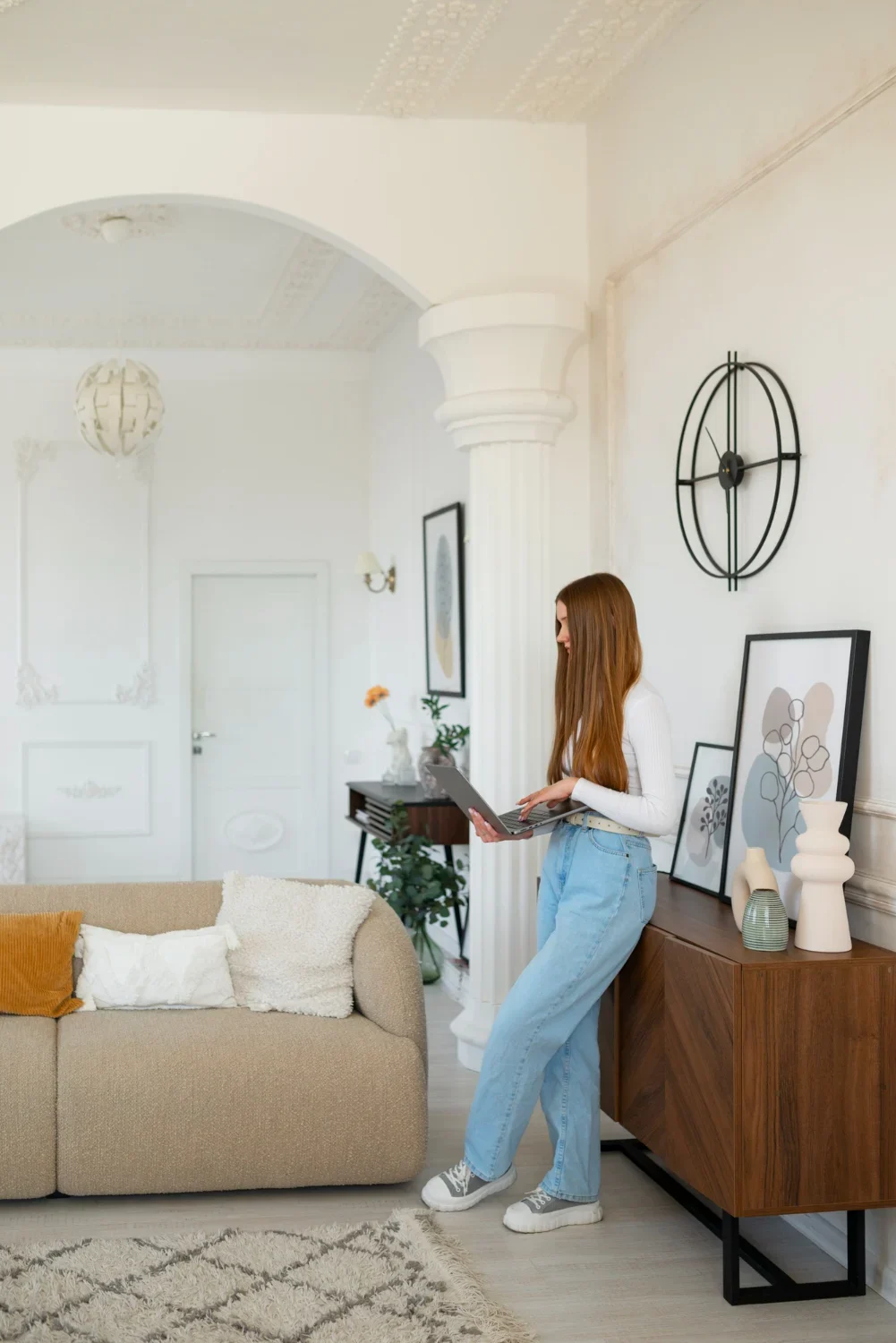
The landscape of modern transitional home decor is constantly evolving, heavily influenced by our desire for comfortable, sustainable living environments. In 2026, we are seeing a massive shift toward warm transitional home decor, rapidly ditching cool, icy grays in favor of rich taupes, earthy terracottas, and deep mushroom tones.
Sustainability is another major driving force in modern transitional home design today. Homeowners are actively choosing reclaimed wood furniture, organic linen textiles, and highly durable, eco-friendly materials that will stand the test of time.
Smart technology integration is also defining the current era of this beautiful design style. Because we research and test various gadgets to write in the article, we observe that modern smart thermostats and voice-controlled lighting systems now come in elegant, minimalist finishes that seamlessly fit this aesthetic.
Traditional vs Transitional Interior Design
Understanding the distinct differences between traditional transitional interior design aesthetics helps clarify your personal decorating goals. Traditional design leans heavily on history, frequently featuring dark, heavy woods, ornate hand-carvings, and rich, jewel-toned color palettes.
In contrast, the traditional transitional style significantly lightens the visual mood of the room. It takes the familiar, comforting silhouettes of classic furniture but deliberately strips away the heavy fringes, tassels, and overly complicated floral wallpaper patterns.
Some of the best examples of transitional decorating style involve taking a classic wingback chair and reupholstering it in a sleek, solid-colored performance linen. This approach honors historical architecture while firmly embracing the crisp simplicity of modern living.
How to Create a Transitional Home Style
Executing a flawless transitional home style requires a methodical approach to prevent the space from feeling disjointed or confused. Follow these straightforward steps to achieve a perfectly balanced, timeless interior.
Choose a Neutral Base: Begin your simple transitional home decor journey by painting your walls in soft, reflective neutrals like warm white or pale beige. This creates a quiet canvas that allows your mixed furniture pieces to take center stage without overwhelming the eye.
Mix Your Textures: Because the color palette is so subdued, you must introduce visual interest through layered textures. Combine smooth leather armchairs with chunky knit wool throws, and place sleek metallic floor lamps next to matte, reclaimed wood tables.
Add Statement Pieces: Select one or two high-impact items to anchor the room and draw attention. A large, contemporary abstract painting or a stunning, oversized modern chandelier works perfectly when paired with classic seating arrangements.
Keep Clutter Minimal: Embrace the modern side of this aesthetic by keeping your daily surfaces clean and highly organized. Use beautiful woven baskets or classic wooden cabinets to hide everyday utility items completely out of sight.
Balance Decor Elements: The golden rule is proportion; never let one specific design era completely dominate the room. If your large sofa is highly modern and sleek, balance it immediately by adding a traditional vintage rug or a classic, carved wooden coffee table.
Best Transitional Home Decor Brands
Knowing exactly where to shop makes sourcing your transitional home decor brands a much easier and more enjoyable process. For luxury, high-end investments, brands like Restoration Hardware (RH) and Pottery Barn are absolute industry leaders in this specific style.
If you are looking for more affordable, budget-friendly options, Target’s Studio McGee line and West Elm offer fantastic transitional pieces. These brands excel at providing clean-lined furniture and neutral textiles that look incredibly expensive without the premium price tag.
Transitional Home Decor for Gen Z Homes
Many people wonder what Gen Z interior design is and how it relates to classic decorating styles. Surprisingly, younger generations are heavily embracing transitional concepts, often referring to it online as the “minimalist aesthetic” or “quiet luxury.”
Gen Z homeowners are moving away from the fast-furniture trends of the past, opting instead to mix thrifted, vintage wooden pieces with affordable, modern basics. This highly sustainable approach perfectly mirrors the core philosophy of transitional styling.
Driven heavily by social media inspiration, these spaces focus on creating highly curated, deeply calming environments. The blend of nostalgic traditional items with clean, modern lines provides the perfect backdrop for their visually driven, highly connected lifestyles.
Decorating Rules & Styling Tips
To make your home look like it was styled by a high-end interior designer, you need to follow a few fundamental visual guidelines. These simple rules help organize your accessories and prevent your surfaces from looking accidental or messy.
The 3-5-7 Rule in Decorating
When people ask what the 3-5-7 rule in decorating is, it refers to the practice of grouping decorative objects in odd numbers. The human brain finds odd-numbered groupings much more visually appealing, dynamic, and memorable than perfectly symmetrical, even pairs.
For example, when styling a coffee table, group three items together: a tall vase, a medium-sized candle, and a short stack of books. This creates a natural visual triangle that forces the eye to move and engage with the display.
Layering Textures
Texture layering is the absolute secret weapon of transitional design, ensuring neutral rooms never feel flat or boring. You must consciously mix different tactile materials within the same physical space.
Place a plush, soft velvet pillow on a structured, woven linen sofa. Layer a soft, high-pile sheepskin rug directly over a larger, flat-weave jute rug to instantly build incredible depth and undeniable coziness.
Pros and Cons of Transitional Home Decor
Like any interior design approach, this aesthetic comes with its own unique set of benefits and potential drawbacks. Understanding these realities helps you decide if it is the right fit for your household.
Pros:
The biggest advantage is its incredibly timeless appeal; this style rarely feels outdated or overly trendy. Furthermore, the flexible styling allows you to easily update the room over time simply by swapping out a few modern accessories or throw pillows.
Cons:
On the downside, if the neutral color palette is not layered with enough diverse textures, the room can quickly look flat, boring, or institutional. Achieving the perfect balance between the traditional and modern elements also requires a very careful, trained eye to avoid looking mismatched.
Frequently Asked Questions
What is transitional home decor?
It is a highly popular interior design style that beautifully merges the classic, comfortable elements of traditional design with the clean, sleek lines of modern aesthetics.
What is the transitional style in home decor?
This style is characterized by a soothing, neutral color palette, a deliberate lack of surface clutter, and a masterful mix of contrasting textures, creating a space that is both timeless and highly updated.
What is the 3-5-7 rule in decorating?
It is a foundational design principle stating that decorative items should be grouped in odd numbers (like three, five, or seven) to create a more dynamic, visually appealing arrangement.
Is transitional style modern or traditional?
It is the exact midpoint between the two. It borrows the sturdy silhouettes and warmth of traditional design but updates them with the minimalist principles and clean lines of modern style.
How do I create a transitional home?
Start by painting your space in warm, neutral colors, then intentionally mix antique or classic furniture pieces with sleek, contemporary lighting and minimalist accessories while keeping the overall clutter to an absolute minimum.
Final Thoughts
Embracing the transitional aesthetic is one of the smartest design choices you can make for your living space. By masterfully blending the historical elegance of the past with the clean simplicity of the present, you create an environment that feels both sophisticated and deeply inviting.
The greatest strength of this style is its incredible flexibility and timeless appeal. Because it is not tied down to one specific, rigid era, your home will effortlessly evolve and grow alongside your changing tastes and lifestyle needs.
Whether you are upgrading your lighting or investing in a new living room sofa, keeping the transitional principles of balance and neutral harmony in mind will guarantee success. Start blending your favorite modern and classic elements today to build a stunning, personalized sanctuary you will love for decades.
Authoritative References:
- Architectural Digest – Transitional Design
- The Spruce – “What Is Transitional Style? Designers Share Why They Love It“
- Homes & Gardens – “9 transitional style decorating rules: for a timeless scheme”
- ELLE Decor – “3 Interior Design Trends to Know for 2026”
- MasterClass – “Transitional Design Guide: Characteristics of Transitional Design”