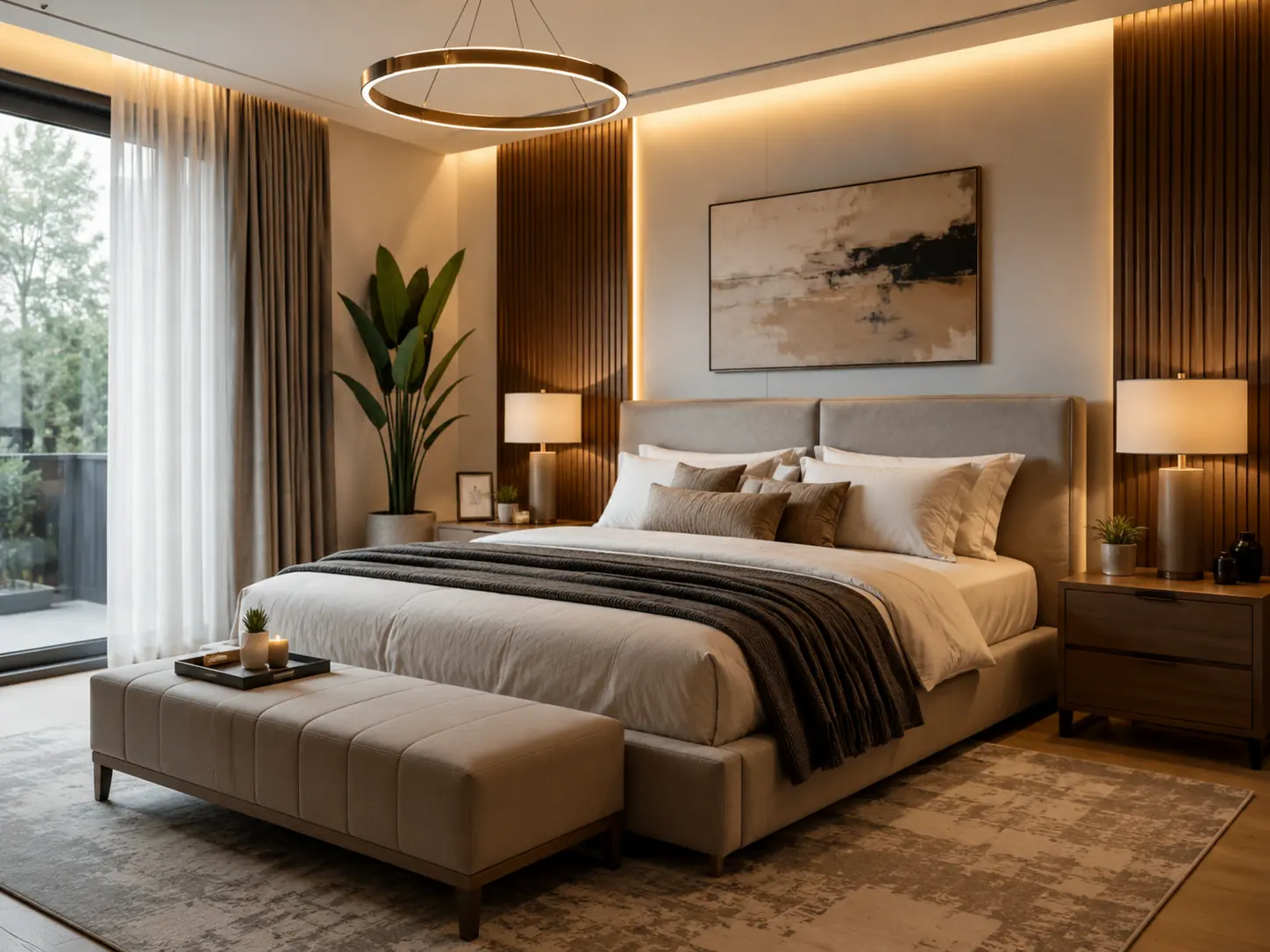
Are you struggling to fall asleep in an uninspiring room? I see this daily in my clinical public health practice because your surrounding environment directly dictates your sleep hygiene, nervous system regulation, and overall wellness.
Therefore, creating a highly functional sanctuary is no longer just about basic home aesthetics; it has become an absolute medical necessity for modern stress management. As we shift away from the colder bedroom designs 2025 offered, spaces are rapidly evolving to prioritize biological recovery alongside visual beauty.
People now demand high-end modern luxury seamlessly blended with deeply cozy, restorative living elements. The latest 2026 bedroom design trends focus entirely on this delicate balance, leaving sterile, clinical environments behind to embrace warm, wellness-focused interiors.
In this comprehensive guide, I will share evidence-based modern bedroom decor ideas to transform your space into a healing, stress-reducing environment. By understanding how lighting, textures, and spatial layouts affect your brain chemistry, you can design a beautiful room that actively improves your health.
What Are the Top Bedroom Decor Trends for 2
When patients ask me how to improve their sleep architecture naturally, I always evaluate their immediate sleeping environment first. The top 2026 bedroom design trends prioritize nervous system regulation and circadian alignment above everything else.
The 2026 shift moves decisively away from cold, sterile minimalism and toward warm, human-centered design. Six trends are defining this season:
- Warm minimalism – an uncluttered layout softened with texture, so the room feels calm rather than clinical.
- Natural accents – raw wood, linen, and stone that ground a room with organic texture.
- Layered lighting – combining ambient, task, and accent light sources instead of a single harsh overhead fixture.
- Multifunctional furniture – a storage bench or platform bed with built-in drawers that does double duty in smaller rooms.
- Smart bedroom technology – app-controlled smart lighting and climate systems that support circadian rhythm.
- Sustainability – furniture retailers increasingly prioritizing solid wood and low-VOC finishes over cheap composite materials.
If you compare this to bedrooms from just a year or two ago, the biggest difference is intention: every accent wall, pendant light, and throw pillow now has to earn its place instead of just filling space.
How Do I Decorate a Modern Bedroom?
Start with the elements that transcend seasonal trends, since these give a room timeless appeal rather than a look that dates within a year.
Minimalist Foundation
Visual clutter raises cortisol and keeps your brain in a mildly alert state. Choose a handful of high-quality pieces – a platform bed, one accent chair, a single dresser – instead of filling the room with smaller items. This is the foundation of minimalist décor that maintains visual harmony rather than feeling empty.
Layered Textures
Texture plays a massive role in sensory soothing and physical comfort. Layering chunky knit weighted blankets with smooth, high-thread-count cotton sheets provides a wonderful tactile feedback loop. Consequently, this sensory experience helps your body physically wind down, triggering the parasympathetic nervous system for a deeper, more restorative sleep cycle.
Natural Materials
Bringing natural elements indoors has been clinically proven to lower heart rates and stabilize blood pressure. Choosing natural wood bed frames, floating shelves, or accent walls grounds the entire room with earthy warmth. These rich wood textures introduce a sense of organic stability that synthetic, factory-made materials simply can never replicate.
A solid-wood bed frame, a jute or wool area rug, and one or two low-maintenance plants introduce natural accents that synthetic materials can’t replicate. Indoor plants also soften a contemporary space that might otherwise feel too sharp-edged.
Curved Furniture
Sharp, aggressive angles in a room can subtly trigger our evolutionary defense responses. In contrast, curved furniture mimics the soft, organic shapes found abundantly in natural landscapes. Introducing rounded headboards, circular accent chairs, and soft-edge nightstands creates a much safer, visually comforting environment for your eyes to rest upon.
Statement Lighting
Harsh, unshielded overhead glare completely disrupts your evening melatonin production. Incorporating statement lighting offers a stunning visual focal point for the room while serving an important biological purpose. More importantly, it allows you to utilize warm, dimmable bulbs that mimic sunset, guiding your body smoothly into its natural sleep rhythm.
Indoor Plants
Air quality directly impacts nighttime respiratory health, snoring, and sleep apnea symptoms. Adding indoor plants like snake plants or peace lilies filters common indoor toxins while releasing fresh oxygen during the night. Besides the physical health benefits, seeing a touch of vibrant greenery instantly boosts your psychological mood every morning.
A Clear Focal Point
Every well-designed room needs one focal point – usually the bed, sometimes an accent wall or a striking pendant light. Build the rest of the room’s color palette and furniture placement around that single anchor instead of competing for attention.
Which Furniture Suits a Modern Bedroom?
Furniture choice affects your spine, your storage, and how spacious the room feels – so this deserves more thought than picking whatever’s on sale.
Platform Beds Define Modern Design
A platform bed creates a modern focal point because of its low profile and clean lines. Unlike a boxspring setup, it sits closer to the floor, which visually opens up the room and gives it a sleeker appearance.
Many platform beds now include hidden storage drawers underneath – a genuinely useful feature for apartment dwellers without a walk-in closet.
Nightstands and Scale
Choose a nightstand that matches your mattress height for easy reach, and pick a size that’s proportional to your bed.
Oversized nightstands in a small room create the same crowded feeling as oversized dressers – balanced proportions matter more than any single piece.
Comparing Furniture Materials
| Material | Durability | Cost Scale | Sustainability | Best For |
| Solid hardwood | High – lasts decades | $$$ | High if FSC-certified | Long-term investment pieces (bed, dresser) |
| Engineered wood (veneer) | Medium | $$ | Medium | Budget-conscious upgrades with a wood look |
| Particleboard/MDF | Low – prone to swelling, off-gassing | $ | Low | Temporary or rental furniture only |
| Metal frame | High, but can feel cold | $$ | Medium | Industrial or contemporary accents |
Particleboard pieces off-gas volatile organic compounds (VOCs) over time, which matters for indoor air quality in a room where you spend roughly a third of your life.
Where budget allows, solid wood or FSC-certified engineered wood is the better long-term choice.
Accent Pieces
An accent chair in a reading corner, a low storage bench at the foot of the bed, and floating shelves on an empty wall round out a functional furniture plan without overwhelming the floor plan. Floating shelves in particular save floor space and maximize wall space – ideal when square footage is limited.
Modern Bedroom Storage Solutions
Storage furniture reduces clutter more effectively than any organizational hack, because it removes the decision of where things go.
- Hidden storage beds – stash off-season bedding and clothing out of sight.
- Floating shelves – display books or decor without taking up floor space.
- A storage bench – doubles as seating and a landing spot for throw blankets.
- Under-bed bins – pair well with a platform bed’s extra clearance.
- Closet organization systems – vertical dividers and slim hangers free up significant space in a shared or small closet.
A genuinely organized environment does more than look tidy: it reduces the number of visual decisions your brain has to make each morning, which is a small but real reduction in daily cognitive load.
Functional Layout & Room Flow
Your layout dictates how you physically move through the room, and it’s often the most overlooked part of a redesign.
- Large rooms: Pull the bed away from the wall to create distinct zones – a reading nook here, a bench there – instead of pushing everything to the perimeter.
- Medium rooms: Prioritize wide, clear walkways over maximizing furniture count.
- Small rooms: Anchor the layout around vertical storage and wall-mounted pieces rather than floor-standing furniture.
Regardless of size, keep the path from bed to bathroom completely clear, and position the bed so you can see the door without being directly in line with it – a small placement choice that measurably affects how safe and settled a room feels.
Small Modern Bedroom Ideas
A compact footprint doesn’t rule out a clean aesthetic. The priority in a small modern bedroom is maximizing the sense of open floor space:
- Choose a platform bed with hidden storage instead of a separate dresser.
- Mount floating shelves above the headboard instead of using freestanding nightstands.
- Hang an oversized mirror opposite the window – mirrors reflect natural light, which makes a tight room feel noticeably larger.
- Use a neutral color scheme on the walls to avoid visually shrinking the space.
- Choose furniture with slim, tapered legs so more floor is visible underneath.
For a deeper, room-by-room breakdown of compact layouts, see our full small bedroom decorating ideas guide.
Best Color Palettes for Modern Bedrooms
Color psychology is a legitimate clinical science that directly alters human mood, heart rate, and neurological activity. The light wavelengths bouncing off your bedroom walls interact continuously with your visual pathways and your brain’s emotional centers. The 2026 bedroom color trends move decisively away from cold, sterile whites and depressing, industrial grays.
Instead, we are seeing heavily pigmented, warm, earthy tones that wrap the room in a comforting hug. These colors reduce eye strain and promote an immediate sense of emotional security.
Here is a detailed breakdown of the top shades defining the year and their specific psychological impacts:
| Color | Mood | Best Style |
| Warm White | Calming, Clean, Restorative | Minimalist, Scandinavian, Modern |
| Mushroom Taupe | Grounding, Secure, Elegant | Organic Luxury, Contemporary |
| Olive Green | Restorative, Natural, Healing | Biophilic, Japandi, Traditional |
| Clay Beige | Warm, Inviting, Wholesome | Contemporary, Cozy Minimalist |
| Dusty Blue | Cooling, Serene, Sleep-Inducing | Traditional, Coastal Modern |
| Terracotta | Energizing, Earthy, Creative | Bohemian, Warm Minimalist |
| Charcoal | Intimate, Moody, Protective | Moody Modern, Industrial Luxury |
| Walnut Brown | Stable, Luxurious, Rooted | Mid-Century Modern, Organic |
How Can I Create a Cozy Bedroom Atmosphere in 2026?
Patients constantly ask me how to quiet their racing minds before climbing into bed at night. The clinical answer lies in sensory regulation, which means you must curate your environment to soothe your body. You should thoughtfully engage all five senses to create a genuinely cozy, restorative sanctuary.
Start by addressing your lighting systems. Dimmable, warm-toned ambient bulbs trigger natural melatonin synthesis far better than bright white lights. Next, focus on your primary textiles. Layering soft, high-quality fabrics on your mattress provides instant tactile comfort to your skin.
Heavy blackout curtains block disruptive streetlights and passing car headlights perfectly. Adding thick, plush wool rugs absorbs harsh acoustic echoes while keeping your bare feet warm in the mornings. Consequently, this comforting combination lowers your physiological stress response immediately.
Scent also plays a massive role in regulating your emotional state before rest. Use natural soy candles or ultrasonic essential oil diffusers to disperse calming aromatherapy. Lavender, cedarwood, and chamomile oils actively lower your heart rate and prepare your brain for deep sleep.
Do not forget the power of sound therapy. High-quality white noise machines mask jarring background street noises effortlessly. Finally, add low-maintenance indoor plants to continuously purify your breathing air while you sleep through the night.
Here is a quick cozy bedroom checklist to follow:
- Install warm, dimmable mood lighting fixtures.
- Layer highly breathable cotton and raw wool textiles.
- Hang thick, insulated blackout window curtains.
- Place a soft, plush rug directly under the bed frame.
- Use calming, natural aromatherapy scents in the evening.
- Introduce low-maintenance indoor plants for fresh oxygen.
Bedroom Lighting Ideas
What lighting is best for modern bedrooms? The short answer: layered, warm-toned, and dimmable.
A single overhead fixture can’t do the job of illuminating a room properly for every activity – reading, dressing, and winding down each need different light.
Layer Your Light Sources
Layered lighting improves ambiance far more than any single fixture, no matter how striking. Aim for three layers:
- Ambient light – a pendant light or flush-mount fixture for general illumination.
- Task light – a table lamp on the nightstand for reading.
- Accent light – wall sconces flanking the bed or behind a headboard for mood and depth.
Smart Lighting
Smart lighting provides convenience that traditional switches can’t match: app-controlled dimming, scheduled warm-to-cool transitions that support your circadian rhythm, and voice control for anyone who doesn’t want to leave a warm bed to turn off a light.
For any smart home enthusiast, the bedroom is one of the highest-impact rooms to start with, since lighting temperature directly affects melatonin production.
Color Temperature Matters
Choose bulbs in the 2700K–3000K range (warm white) for bedrooms. Anything closer to daylight (5000K+) suppresses melatonin and works against the room’s purpose.
How Do I Choose Bedroom Accessories?
Which accessories complete a modern bedroom? The ones that add texture and personality without adding visual noise.
- Decorative pillows add texture and a pop of color without committing to a full redesign.
- A throw blanket draped over the bed or an accent chair adds warmth and an easy way to accessorize seasonally.
- Area rugs add warmth and texture underfoot, especially over hardwood or tile.
- Wall art creates visual interest and personalizes the bedroom more than almost any other single item.
- Indoor plants improve visual appeal and soften a contemporary space’s harder edges.
The goal is to accessorize with intention: three or four well-chosen pieces read as sophisticated, while a dozen small items in every color reads as clutter, no matter how nice each individual piece is.
Should I Use Wall Art in a Modern Bedroom?
Yes – wall art personalizes the bedroom and gives the eye somewhere to rest, which a purely minimalist room can otherwise lack.
The key is restraint: one large statement piece, or a tightly curated gallery wall with matching frames, reads as intentional.
A scattered mix of mismatched frames and sizes undercuts the clean aesthetic modern decor depends on. Position art at eye level from a seated position on the bed, and let it play off your color palette rather than fighting it.
What Window Treatments Suit Modern Decor?
Modern bedrooms generally favor simple, tailored window treatments over heavy, ornate drapery:
- Linen or cotton curtains in a neutral tone for a soft, breathable look.
- Blackout curtains layered behind sheer panels – style during the day, full darkness at night.
- Roman shades for a cleaner, more architectural line in smaller rooms.
- Wood or faux-wood blinds to coordinate with natural wood furniture accents.
Whatever you choose, hang the rod close to the ceiling rather than directly above the window frame – it makes the ceiling feel higher and reinforces a spacious feel even in an average-height room.
What Bedding Complements Modern Decor?
What bedding complements modern decor? Premium textiles in a limited, coordinated palette. Premium bedding improves comfort and visually elevates a room faster than almost any furniture change, and it’s one of the most affordable upgrades available to any DIY decorator.
- Stick to two or three coordinating tones rather than a busy pattern mix.
- Layer a lightweight duvet with a heavier throw blanket for versatility across seasons.
- Choose natural fibers – linen, organic cotton – for breathability and a more refined elegance than synthetic blends.
- Add two to four decorative pillows in varied textures, not just colors, for visual depth.
How Do I Create a Minimalist Bedroom?
For minimalist bedroom inspiration, work from a short, non-negotiable checklist:
- Remove anything without a clear function or strong emotional value.
- Choose one dominant neutral for walls and large furniture.
- Keep surfaces – dresser tops, nightstands – almost entirely clear.
- Choose window treatments and bedding in matching or closely related tones.
- Add exactly one or two natural accents (a plant, a wood bowl) rather than a collection.
Minimalist décor maintains visual harmony precisely because it limits the number of competing elements in the room – not because it strips out warmth or personality entirely.
Scandinavian & Modern Farmhouse Bedroom Inspiration
Modern decor isn’t a single fixed look – it flexes across a few closely related styles:
- Scandinavian bedroom inspiration leans into pale wood, white and soft gray tones, and function-first furniture with almost no ornamentation.
- Modern farmhouse bedroom decor blends the same clean lines with warmer wood tones, black metal accents, and slightly more texture in bedding and rugs.
- Contemporary style sits between the two – more neutral than farmhouse, less austere than Scandinavian, and generally the easiest starting point for a first modern redesign.
Pick the variation that matches your existing furniture and finishes rather than starting from a completely blank slate; it’s a faster and more budget-friendly path to a harmonious design.
How Can I Add Warmth to a Minimalist Room?
A minimalist bedroom can tip into feeling cold if texture and natural accents are skipped. To keep it inviting:
- Layer a wool or jute rug over hard flooring.
- Add a throw blanket in a heavier knit texture.
- Choose warm-toned wood over cool gray or white-washed finishes.
- Swap bright white bulbs for warm white (2700K–3000K).
- Bring in one or two plants for organic texture and color.
These small additions create an inviting atmosphere without adding visual clutter or working against the room’s clean lines.
How Do I Decorate on a Budget?
An affordable modern bedroom makeover doesn’t require replacing every piece of furniture:
- Peel-and-stick wallpaper for an accent wall at a fraction of the cost of paint-plus-labor.
- A DIY headboard built from plywood and upholstery foam for a custom look.
- Thrifted furniture, refreshed with new paint and modern hardware.
- LED lighting strips behind the headboard for an expensive-looking accent at low cost.
- New bedding as the single highest-impact, lowest-cost upgrade available.
Any DIY decorator can execute all five of these in a weekend, and together they touch nearly every major visual element of the room – color, texture, lighting, and focal point – without a full furniture budget.
Smart Bedroom Technology Ideas
Modern technology integration has moved from novelty to genuinely useful bedroom feature:
- Smart lighting with scheduled warm-to-cool transitions that support your circadian rhythm.
- Smart nightstands with built-in wireless charging, so cords stay out of sight.
- Adjustable smart beds that help with snoring, acid reflux, or general nighttime comfort.
- Smart thermostats paired with the bedroom’s own sensor for more accurate nighttime temperature control.
None of these require a full smart-home overhaul – a single smart bulb or one smart plug is enough for most people to start seeing the benefit.
Pinterest-Worthy Master Bedroom Trends 2026
I recently consulted with a patient who successfully managed her mild insomnia through thoughtful interior design changes. She established a comfortable reading corner completely separated from all digital screens and work laptops. This simple layout modification completely reshaped her evening wind-down routine and improved her sleep quality.
This healthy design philosophy aligns perfectly with the top Master Bedroom trends 2026 Pinterest boards display. Organic luxury dominates these highly inspirational social media feeds right now because people want homes that mimic high-end wellness retreats.
Hotel-style beds featuring perfectly tucked, earth-tone bedding layers are incredibly popular online. Beautiful curved mirrors add soft elegance while bouncing natural morning light deeply into the room. Furthermore, applying textured finishes to your walls using natural lime wash paint adds incredible visual depth.
Classic canopy bed frames are also making a massive comeback across the country this year. They create a cozy, enclosed feeling that promotes a deep psychological sense of security. Combine a canopy bed with dedicated, screen-free reading corners for the ultimate Pinterest-worthy home sanctuary.
Final Thoughts
A modern bedroom decor guide isn’t really about following a trend list – it’s about building a room where every piece, from the nightstand to the window treatments, does real work.
Whether you’re a first-time apartment dweller working with a small footprint, a homeowner planning a full remodel, or a design consultant putting together a client presentation, the same principles apply: an uncluttered layout, a coordinated color palette, and lighting that actually supports how you rest.
Start with one section of this guide – furniture, color, or lighting – and build outward from there.
Frequently Asked Questions
Warm minimalism, natural accents, layered lighting, multifunctional furniture, and smart bedroom technology are the defining trends right now. The overall direction favors calm, functional rooms over purely decorative ones.
Start with a neutral color scheme, choose a platform bed as your focal point, layer your lighting across ambient, task, and accent sources, and add no more than a handful of accessories – a rug, a few decorative pillows, and one or two plants.
A platform bed, a proportionally sized nightstand, an accent chair, and storage-forward pieces like a bench or floating shelves. Solid wood or FSC-certified engineered wood is preferable to particleboard for both durability and air quality.
Premium, natural-fiber textiles in two or three coordinating tones, layered with a lightweight duvet and a heavier throw blanket for versatility.
Warm neutrals – warm white, mushroom taupe, clay beige – paired with one deeper accent tone like olive green, terracotta, or charcoal for contrast.
Warm white bulbs (2700K–3000K) across three layers: ambient, task, and accent lighting, ideally with dimmable or smart controls.
Yes, in moderation – one large statement piece or a tightly curated gallery wall adds personality without disrupting the room’s clean lines.
Layer in natural textures – a wool rug, a knit throw blanket, warm-toned wood – and swap any cool-white bulbs for warm white.
Choose a platform bed with hidden storage, mount floating shelves instead of freestanding furniture, hang a large mirror to reflect natural light, and keep the color palette light and neutral throughout.
Decorative pillows, a throw blanket, an area rug, one piece of wall art, and one or two indoor plants – enough to add texture and personality without crowding the room.
Evidence-Based References:
- Associations of Bedroom PM2.5, CO2, Temperature, Humidity and Noise with Sleep: an Observational Actigraphy Study
https://pmc.ncbi.nlm.nih.gov/articles/PMC10293115/ - Nighttime Ambient Temperature and Sleep in Community-Dwelling Older Adults
https://pmc.ncbi.nlm.nih.gov/articles/PMC10529213/ - Bedroom Environment: What Elements Are Important?
https://www.sleepfoundation.org/bedroom-environment - Improve Sleep: Tips to Improve Your Sleep When Times Are Tough
https://www.cdc.gov/niosh/bulletin/2020/sleep.html - Exposure to Room Light before Bedtime Suppresses Melatonin Onset and Shortens Melatonin Duration in Humans
https://pmc.ncbi.nlm.nih.gov/articles/PMC3047226/