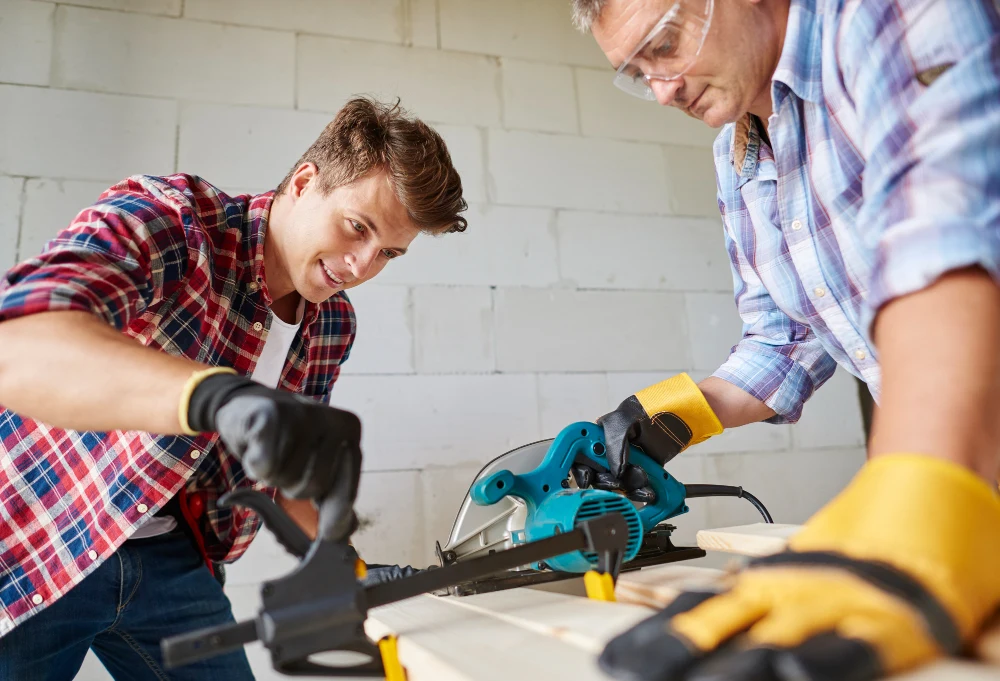
Owning a home brings immense joy, but it also comes with inevitable maintenance tasks and unexpected breakdowns. Knowing the best tips for diy home repairs can transform you from a stressed homeowner into a confident problem-solver. You do not always need to call an expensive professional for every minor squeak or leak.
Taking matters into your own hands saves significant money and builds incredible self-reliance over time. Many common household issues require nothing more than basic tools and a little bit of patience. Understanding fundamental fixes protects your property’s value while keeping your family safe and comfortable.
This comprehensive guide is designed to walk you through the essential skills every homeowner should master. From basic plumbing to simple drywall patches, we will cover the most practical fixes available. Let us dive into the ultimate strategies for maintaining your house efficiently and affordably.
What DIY Home Repair Really Means
Understanding the true diy repair meaning is the first step toward effective home maintenance. Do-it-yourself home repair simply involves tackling household fixes without hiring professional contractors. It ranges from tightening a loose cabinet hinge to completely replacing a faulty bathroom faucet.
It is vital to understand the difference between necessary diy house repairs and major home improvements. Repairs focus strictly on fixing things that are broken, leaking, or functioning poorly. Improvements, on the other hand, usually involve upgrading functional items purely for aesthetic reasons.
Homeowners choose to handle repairs themselves primarily to save on expensive labor costs. Professional contractors often charge high hourly rates just to show up at your front door. Handling these minor issues yourself keeps your hard-earned money firmly in your own pocket.
Furthermore, learning these skills allows you to address emergencies immediately without waiting for appointments. You can stop a running toilet at midnight without paying exorbitant emergency plumbing fees. This immediate action often prevents minor issues from escalating into major water damage.
Why Learning DIY Home Repairs Matters
Staying on top of regular home repairs and maintenance is crucial for protecting your largest financial investment. Ignoring small problems usually leads to catastrophic, highly expensive structural failures down the road. A tiny roof leak today becomes a massive mold remediation project next year.
Keeping a running home repairs list helps you prioritize which tasks need immediate attention. You should categorize this minor home repairs list by urgency, separating safety hazards from simple annoyances. Tackling one small project every weekend prevents the list from becoming completely overwhelming.
Financially, the benefits of learning these skills are absolutely undeniable for the average family. The money saved on labor can be reinvested into higher-quality materials or future renovations. Consequently, your home’s resale value steadily increases because it is meticulously maintained.
Beyond the financial aspect, fixing your own house builds a massive sense of personal pride. There is a deep psychological satisfaction that comes from solving a complex mechanical problem yourself. This newfound confidence inevitably spills over into other challenging areas of your daily life.
Best Tips for DIY Home Repairs on a Budget
Figuring out the best tips for DIY home repairs on a budget requires strategic thinking and resourcefulness. You do not need to spend thousands of dollars at the hardware store to maintain your property. Smart homeowners know exactly how to stretch a dollar without sacrificing the quality of their work.
Exploring homemade home improvement tips often reveals incredible, cost-effective solutions to common problems. Sometimes, the best fix involves repurposing items you already have sitting in your garage or pantry. Creativity is your greatest asset when trying to fix a house with limited funds.
Buy the Right Tools Once
The most common mistake beginners make is buying the cheapest possible tools available online. Cheap tools strip screws, break easily, and ultimately make simple jobs incredibly frustrating. Investing in high-quality basics saves you from buying the exact same tool three times.
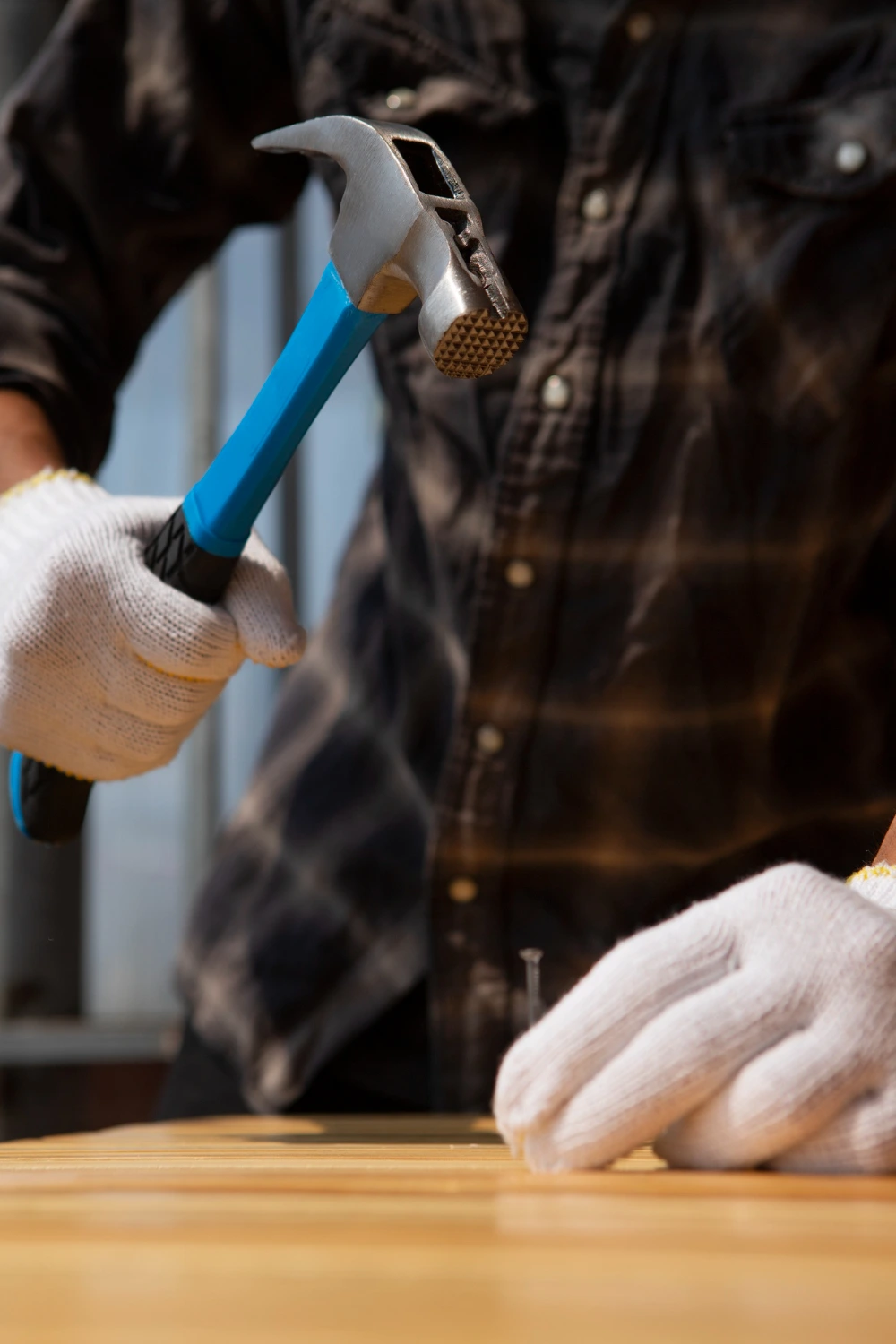
We research and test various gadgets to write in the article, including essential hand tools. A solid, well-balanced hammer and a high-voltage cordless drill are absolute necessities for your kit. Spending a little extra upfront guarantees these tools will last for decades of heavy use.
Reuse Household Materials
You can easily stretch your budget by reusing standard household materials for minor cosmetic fixes. For example, leftover clear nail polish is fantastic for sealing small tears in window screens temporarily. These clever hacks keep your home functioning perfectly while you save up for permanent replacements.
Additionally, baking soda and vinegar create powerful, non-toxic cleaning solutions for rusted hinges or tools. You do not always need harsh, expensive industrial chemicals to break down stubborn grime. Utilizing these pantry staples is both eco-friendly and incredibly gentle on your wallet.
Basic Home Repairs Everyone Should Know
There are certain basic home repairs everyone should know to avoid unnecessary contractor bills. Mastering these specific home repairs you can do yourself covers about eighty percent of common household issues. These tasks require very little physical strength and rely mostly on following simple steps.
Fixing Leaky Faucets
Tackling plumbing repairs do-it-yourself style often intimidates beginners, but faucets are surprisingly simple. Most drips are caused by a worn-out rubber washer or a faulty O-ring inside the handle. You just need to shut off the water valves under the sink before disassembling the fixture.
Once you unscrew the handle, simply replace the degraded rubber piece with a new one. This tiny two-dollar part stops the irritating dripping noise and saves gallons of wasted water. It is a highly rewarding project that takes less than twenty minutes to complete.
Patching Drywall Holes
Accidents happen, and doorknobs frequently punch ugly holes straight through interior drywall. Repairing these holes is an essential skill that keeps your home looking pristine and cared for. You will need a simple tub of lightweight spackle, a putty knife, and fine-grit sandpaper.
For larger holes, apply an adhesive mesh patch over the gap before spreading the spackle. Feather the edges smoothly to blend the wet compound into the surrounding flat wall. Once it dries completely, sand it flush and apply a fresh coat of matching paint.
Unclogging Drains
Chemical drain cleaners are highly toxic and often eat away at your expensive internal plumbing pipes. Instead, every homeowner should own a basic plastic drain snake for clearing nasty hair clogs. Simply insert the barbed tool down the bathroom sink and pull up the blockage manually.
If the sink is still draining slowly, you might need to remove the P-trap underneath. Place a bucket below the curved pipe, unscrew the plastic slip nuts, and dump the debris. This straightforward mechanical fix restores perfect water flow instantly without using dangerous acids.
Replacing Light Switches
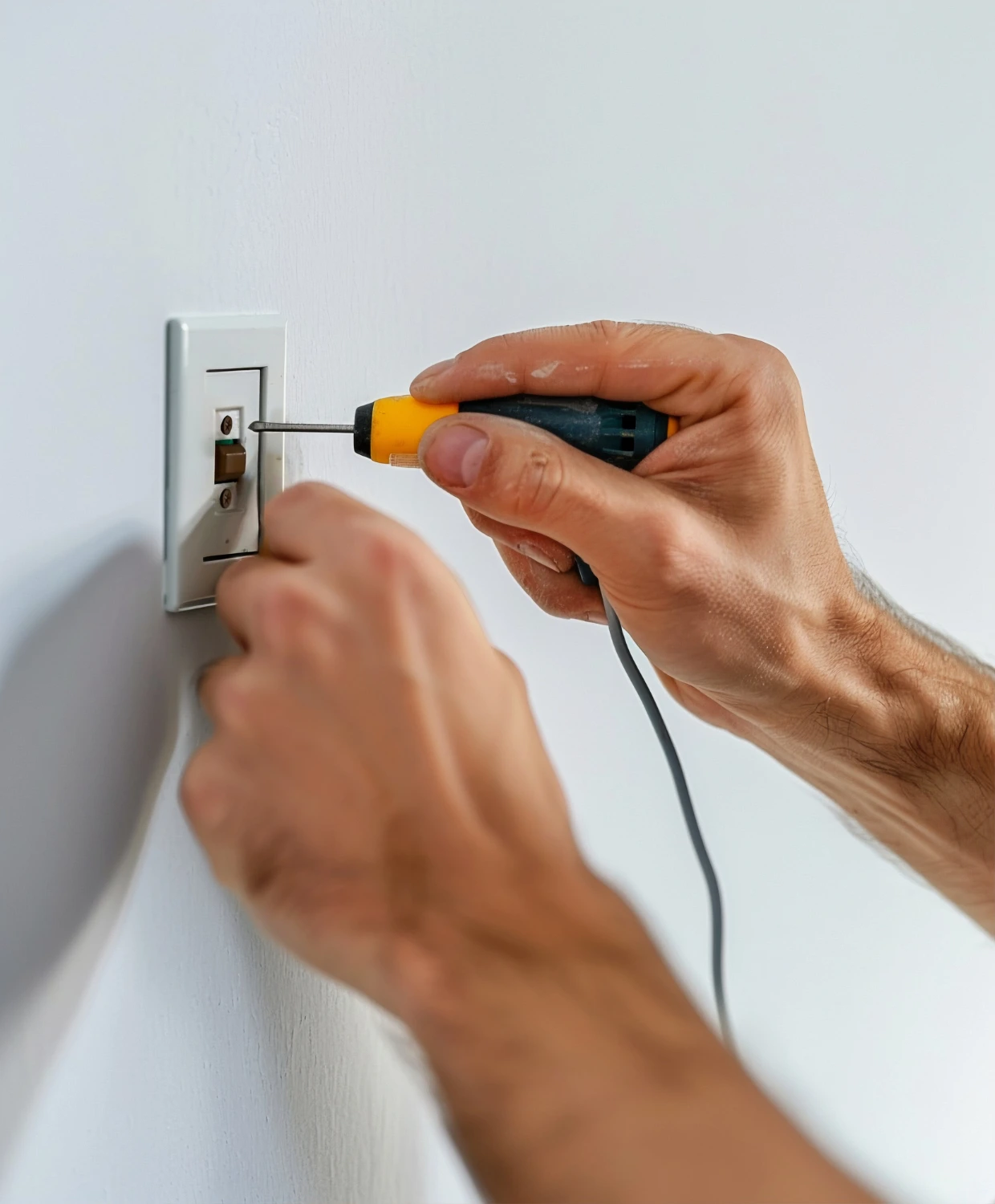
Electrical work requires extreme caution, but swapping a standard light switch is highly manageable. The absolute most important step is flipping off the main circuit breaker before touching anything. Always use a non-contact voltage tester to verify the power is completely dead.
Once you unscrew the faceplate, carefully note where the black and white wires are connected. Simply move the wires to the exact same terminals on the brand-new switch. Wrap the connections securely with electrical tape, screw it back in, and restore the power.
DIY Home Repairs for Beginners
Diving into maintenance can feel overwhelming, but mastering diy home repairs for beginners is entirely possible with the right mindset. You do not need to be a master carpenter to fix simple issues around your property. The goal is to build your confidence slowly through highly manageable, successful projects.
Many people search for diy home repairs for dummies because they feel intimidated by complex hardware stores. However, modern resources make learning these skills easier than ever before in history. Utilizing homemade home repairs for beginners saves money while teaching you exactly how your house operates.
Start With Low-Risk Repairs
Never attempt complex plumbing or electrical work as your very first DIY project. Start with tasks that have virtually zero risk of causing expensive structural damage if you make a mistake. Painting a scuffed baseboard or tightening a loose door hinge are perfect, low-stress starting points.
Learn Before You Repair
Always consume multiple professional tutorial videos before you pick up a single tool. Watching experienced handymen complete the exact repair provides crucial visual context for the written steps. Consequently, you learn valuable pro-tips that prevent highly common, frustrating mistakes.
Safety First
Your physical health is vastly more important than fixing a broken cabinet door quickly. Always wear heavy-duty safety glasses when hammering, drilling, or using strong chemical solvents. Furthermore, wearing thick work gloves prevents nasty cuts from sharp metal edges or splinters.
Easy Home Repairs for Beginners
Finding easy home repairs for beginners is the best way to start building your practical skills. These straightforward diy fixes require minimal physical strength and utilize very basic hand tools. Let us explore the most common household annoyances and exactly how to solve them today.
Silencing Squeaky Doors: A squeaking door hinge is incredibly annoying, especially in the middle of a quiet night. Fortunately, this is one of the fastest and easiest fixes in your entire house. Simply tap the hinge pin up slightly with a hammer and apply a few drops of lubricating oil.
Avoid using standard WD-40, as it is a solvent that eventually dries out and attracts dark dust. Instead, use a dedicated silicone lubricant or white lithium grease for a long-lasting, silent glide. Tap the pin back down, swing the door a few times, and the squeak will vanish completely.
Tightening Loose Handles: Wobbly door knobs and loose kitchen cabinet pulls make a home feel cheap and poorly maintained. This fix usually requires nothing more than a standard Phillips-head screwdriver and two minutes of time. Simply locate the exposed screws on the interior side of the handle and turn them clockwise.
If the screw spins freely without tightening, the internal wooden hole has likely become stripped. You can easily fix this by dipping a wooden toothpick in wood glue and jamming it into the hole. Snap off the excess wood, let it dry, and drive the screw tightly into the newly filled space.
Fixing a Running Toilet: A constantly running toilet wastes thousands of gallons of water and spikes your monthly utility bill drastically. Usually, the rubber flapper at the bottom of the tank has warped and no longer seals properly. Shut off the water valve behind the toilet and flush to drain the tank completely.
Unhook the old flapper from the plastic chain and snap a brand-new one into place. These replacement parts cost less than five dollars at any local hardware store. Turn the water back on, test the flush, and enjoy a silent, leak-free bathroom once again.
Repairing Cracked Grout: Cracked or missing tile grout allows dangerous moisture to seep behind your shower walls. Preventing expensive water damage requires addressing these tiny cracks the moment you notice them. Use a simple handheld grout saw to gently scrape away the loose, crumbling pieces.
Mix a tiny batch of matching powdered grout and press it firmly into the empty joints using a rubber float. Wipe away the excess hazy residue with a damp sponge before it dries completely on the tiles. This simple weekend maintenance task prevents massive mold remediation projects in the future.
Must-Have DIY Home Repair Kit
You cannot fix anything if you are constantly searching for missing equipment. Building highly effective homemade repair kits for home ensures you are always prepared for sudden emergencies. Keeping everything organized in a sturdy plastic toolbox saves massive amounts of frustration.
Essential Tools
Your kit must contain a high-quality, medium-weight claw hammer for driving and removing stubborn nails. Furthermore, include both Phillips and flathead screwdrivers in various sizes to handle any hardware you encounter. A sharp, retractable utility knife is also absolutely mandatory for opening packages and scoring drywall.
Finding wall studs blindly usually results in walls covered in completely useless, frustrating holes. Therefore, investing in a reliable electronic stud finder is essential for hanging heavy shelves safely. We research and test various gadgets to write in the article, and a high-quality magnetic stud finder is indispensable.
Finally, never guess on measurements when cutting expensive materials or aligning picture frames. A sturdy, twenty-five-foot tape measure ensures your cuts are highly accurate and perfectly straight. Measuring twice and cutting once is the oldest, most reliable rule in construction.
DIY Window and Exterior Repairs
Protecting your home’s exterior envelope is vital for maintaining excellent indoor energy efficiency. Mastering diy home window repair keeps harsh winter drafts out and lowers your heating bills significantly. Furthermore, knowing basic diy vinyl siding repair keeps your home looking beautiful from the street.
Fixing Window Drafts
Drafty windows make your living room freezing cold and force your furnace to work overtime. The easiest fix involves applying self-adhesive foam weatherstripping directly to the bottom of the window sash. You can also use a caulk gun to seal tiny exterior cracks around the wooden window frame.
Repairing Minor Siding Damage
A cracked piece of vinyl siding allows destructive rainwater to penetrate your home’s structural wood. You do not need to replace the entire wall; simply patch the hole using exterior-grade color-matched caulk. For larger holes, carefully unzip the damaged panel using a siding removal tool and snap a new piece in.
Garage Door Maintenance
Basic diy garage repair prevents heavy doors from derailing or breaking expensive springs prematurely. Use a damp rag to clean dirt and debris out of the metal tracking system completely. Apply a specialized garage door lithium spray lubricant to the metal rollers and hinges to keep them operating silently.
Homemade Home Repair Ideas That Save Money
You do not need expensive commercial products to keep your home in pristine condition. Embracing brilliant homemade home repairs ideas stretches your budget while utilizing safe, non-toxic ingredients. These natural solutions often work just as well as heavy industrial chemicals.
For instance, white vinegar is an incredible, highly acidic natural cleaning agent for tough hard water stains. Soaking a clogged, crusty showerhead in a bag of vinegar overnight dissolves the mineral buildup completely. You wake up to perfect water pressure without buying a brand-new fixture.
Baking soda is another miracle powder that acts as a gentle, non-scratching abrasive for dirty surfaces. Mixing it with a little water creates a thick paste that removes stubborn scuff marks from painted walls effortlessly. It is an incredibly cheap trick for keeping high-traffic hallways looking freshly painted.
Creating a DIY wood polish restores the natural shine to your dull, scratched furniture quickly. Simply mix two parts olive oil with one part fresh lemon juice in a small spray bottle. The oil conditions the dry wood deeply, while the lemon juice cuts through sticky surface grime naturally.
Plumbing Repairs You Can Handle Yourself
Many people panic when water starts spraying, but plumbing repairs, do-it-yourself style, are highly logical. Understanding how pipes connect allows you to solve major issues without calling a pricey emergency plumber. Always remember the golden rule: shut off the main water supply first.
Faucet Repairs
As mentioned earlier, fixing a dripping faucet is usually just a matter of replacing a degraded rubber O-ring. Keep a small assortment box of various rubber washers in your toolkit for quick replacements. This tiny piece of rubber is the ultimate barrier against annoying, expensive leaks.
Toilet Running Fix
If replacing the flapper does not stop the running water, the fill valve might be broken. This plastic tower regulates the water level inside the tank and is easily swappable. You just unscrew the water supply line, remove the old valve, and secure the new one in its place.
Pipe Insulation
Exposed plumbing pipes in unheated basements or crawlspaces risk freezing and bursting during harsh winters. Wrapping these vulnerable pipes in cheap foam insulation tubes is a vital DIY preventative measure. It takes just a few minutes but saves you from catastrophic, home-destroying floods.
DIY Home Security Upgrades
Protecting your family does not require signing expensive, long-term contracts with massive security companies. Finding the best diy home security solutions empowers you to monitor your property directly from your smartphone. Modern wireless technology makes installing these systems incredibly fast and highly intuitive for beginners.
We research and test various gadgets to write in the article, and smart locks are always a top recommendation. Installing a digital keypad lock takes twenty minutes and only requires a standard Phillips screwdriver. You can instantly grant digital access to dog walkers or contractors without ever hiding a physical key outside.
Furthermore, mounting a wireless video doorbell allows you to see exactly who is on your porch from anywhere. These devices usually run on rechargeable batteries, meaning you do not have to mess with complicated electrical wiring. Pairing them with simple, stick-on magnetic window alarms creates a highly effective, budget-friendly security perimeter.
DIY Home Network Improvements
A lagging internet connection is incredibly frustrating when you are trying to stream movies or work from home. Fortunately, upgrading your diy home network requires zero technical degrees or expensive IT professionals. Small, strategic changes to your equipment layout improve your daily connectivity speeds massively.
First, elevate your main Wi-Fi router off the floor and place it directly in the center of your house. Radio waves struggle to penetrate thick brick walls and heavy metal household appliances. Moving the router to a high bookshelf instantly eliminates frustrating dead zones in distant bedrooms.
If you still experience weak signals, installing simple plug-in Wi-Fi boosters extends your coverage seamlessly. Additionally, utilize cheap zip ties or plastic cable sleeves for highly effective under-desk cable management. Keeping your ethernet cords neatly bundled prevents them from being accidentally unplugged or damaged by vacuum cleaners.
DIY Pest Control Around the House
Nobody wants creepy insects or destructive rodents invading their comfortable living spaces. Practicing proactive diy home extermination prevents these pests from ever crossing your threshold in the first place. Sealing tiny exterior cracks with expanding spray foam is your absolute best first line of defense.
Utilizing safe, natural solutions keeps your home pest-free without exposing your pets to highly toxic chemical baits. Spraying a mixture of water and strong peppermint oil around your baseboards repels spiders and ants naturally. Furthermore, sprinkling diatomaceous earth near doorways effectively neutralizes crawling insects while remaining completely safe for humans.
However, you must know exactly when a minor annoyance becomes a major structural threat. If you spot signs of wood-destroying termites or massive bed bug infestations, stop DIY methods immediately. These specific, highly aggressive pests always require expensive, heavy-duty professional fumigation to eradicate completely.
DIY Decluttering Before Repairs
You cannot fix a leaky sink if the cabinet underneath is overflowing with old cleaning bottles. You must completely diy declutter your home before starting any major repair or painting project. Clearing the workspace ensures you can reach the actual problem without tripping over junk.
Decluttering creates a vastly safer environment for swinging hammers and operating heavy power tools. You minimize the massive risk of knocking over fragile items or losing tiny, vital hardware pieces. A clean, highly organized room reduces your mental stress significantly while you work.
Furthermore, clearing out excess belongings often reveals hidden maintenance issues you never noticed before. You might finally discover that hidden water stain behind an old, dusty bookshelf. Fixing these problems early guarantees much better, long-lasting results for your overall home maintenance plan.
DIY vs Professional Repairs: Which Is Better?
Every homeowner eventually faces the stressful DIY vs. Professional Repairs: Which is Best for You? dilemma. Making the wrong choice either wastes your hard-earned money or results in terrible, unsafe workmanship. You must evaluate your personal skills, available time, and the physical danger involved carefully.
When dealing with highly specialized tasks, the debate often shifts to material specifics. For example, DIY vs Professional Glass Repair heavily favors professionals due to the severe laceration risks. A shattered double-pane window requires exact factory vacuum sealing to maintain its energy efficiency.
Similarly, consider the heavy weight involved in DIY vs Sliding Patio Door Repair. Replacing those massive glass tracks often requires three strong people and specialized suction cup handles. Conversely, simple aesthetic fixes like DIY vs Professional Blind Repair are incredibly easy for absolute beginners to handle alone.
When DIY Makes Sense
Handling minor repairs and purely cosmetic work is the absolute perfect time to DIY. Painting walls, swapping cabinet hardware, or caulking a bathtub carry zero risk of destroying your home. These low-stakes tasks save you hundreds of dollars in unnecessary professional labor fees.
When Professionals Are Better
Never compromise your safety or your home’s structural integrity to save a few dollars. Always hire licensed professionals for complex electrical panel upgrades, internal plumbing reroutes, or underground gas lines. A single amateur mistake in these dangerous areas can literally level your entire house.
Common DIY Mistakes to Avoid
Confidence is excellent, but sheer overconfidence often leads to highly expensive, disastrous weekend projects. The most frequent error is rushing to the hardware store without taking proper, exact measurements first. You end up buying materials that simply do not fit, wasting precious time and money.
Furthermore, using the absolute wrong tools guarantees a sloppy, highly unprofessional final result. Trying to cut thick wood trim with a dull handsaw instead of a rented miter saw ruins the material. Always use the specific, correct tool intended for the exact job you are doing.
Finally, relying on the cheapest materials available almost always backfires in the long run. Bargain-bin paint requires four coats to cover a wall, whereas premium paint only requires one. Investing in quality supplies upfront ultimately saves you from massive headaches and redos later.
Home Repairs Checklist by Priority
When everything feels broken simultaneously, you need a rigid system to avoid total paralysis. Organizing your home repairs list by strict priority ensures you tackle dangerous issues first. Stop worrying about ugly wallpaper when your roof is actively leaking rainwater onto the floor.
Create a minor home repairs list categorized directly by urgency and structural impact. First, prioritize safety hazards like sparking outlets, loose stair rails, or broken exterior locks. Addressing these dangerous items immediately protects your family from highly preventable physical injuries.
Next, focus intensely on preventing progressive water damage and stopping expensive energy loss. Caulking leaky windows and fixing dripping pipes saves you money on utility bills immediately. Finally, move on to the purely cosmetic upgrades that simply make your home look beautiful.
DIY Home Repair Books Worth Reading
While the internet is fantastic, keeping physical DIY home repair books in your garage is incredibly smart. You cannot always rely on YouTube tutorials when your Wi-Fi router suddenly goes dead. A comprehensive, thick reference manual is the ultimate backup plan for sudden household emergencies.
Look for heavily illustrated, beginner-friendly manuals that explain basic plumbing and electrical systems visually. Detailed diagrams show you exactly how pipes connect and where wires should properly terminate. These timeless books belong in every single homeowner’s physical tool library.
Pros and Cons of DIY Home Repairs
Like any major undertaking, grabbing a toolbelt comes with both distinct advantages and real drawbacks. The most obvious pro is that doing it yourself saves massive amounts of money on labor. Furthermore, you build incredible, lifelong skills and achieve immense personal satisfaction when a project finishes.
However, the cons are equally real and must be carefully considered before starting. The risk of making expensive mistakes is highly probable for brand-new, untrained beginners. Additionally, DIY projects are incredibly time-consuming and can easily swallow up your entire weekend.
Frequently Asked Questions
What are the easiest home repairs to learn?
The absolute easiest fixes involve zero heavy demolition and utilize basic hand tools. Painting walls, replacing old doorknobs, patching tiny drywall holes, and silencing squeaky hinges are perfect starting points. These tasks build your confidence quickly without risking any structural damage to the property.
Which repairs should never be DIY?
You should completely avoid anything involving the main electrical panel, underground gas lines, or load-bearing walls. Messing with these highly sensitive systems carries a massive risk of fatal injury or catastrophic property destruction. Always hire licensed, fully insured professionals for these specific, dangerous trades.
How much money can DIY save?
Handling your own maintenance saves you roughly fifty to seventy percent on typical home improvement bills. Contractors usually charge between fifty and one hundred dollars an hour just for basic labor. By eliminating those steep hourly fees, you only pay for the physical materials needed.
What tools should every homeowner own?
Every home absolutely requires a heavy claw hammer, a versatile multi-bit screwdriver, and a reliable tape measure. You also need a sharp utility knife, an electronic stud finder, and a high-voltage cordless drill. Keeping these basic tools organized ensures you can handle ninety percent of minor household emergencies.
Is DIY home repair safe?
Yes, it is incredibly safe if you respect your limits and utilize proper protective equipment. Always wear heavy safety glasses, thick gloves, and rated dust masks when working with tools or chemicals. However, if a project ever feels overwhelmingly dangerous, stop immediately and call a professional.
Final Thoughts on DIY Home Repairs
Mastering the best tips for diy home repairs transforms how you interact with your physical living space. You stop viewing minor breakdowns as stressful financial disasters and start seeing them as simple, manageable tasks. Every single repair you successfully complete adds genuine, lasting value to your home.
Always remember to research thoroughly, prioritize your physical safety, and know your absolute limits. Do not be afraid to tackle that leaky sink or patch that ugly hole in the hallway. Pick up your tools, build your confidence, and start improving your beautiful home today!
Authoritative References:
- Bob Vila: 25 Easy Home Repairs You Should Never Pay Someone Else to Make
- Family Handyman: Don’t Spend Money On These Common Home Repairs You Can DIY
- This Old House: How To Give Your House a Yearly DIY Inspection
- Bob Vila: How to Patch Drywall: Small, Medium, and Large Hole Repair
- Family Handyman: 13 Exterior Home Repairs That’ll Keep Your Home in Top Shape