
Transforming your living space is an incredibly rewarding and exciting journey. However, understanding exactly how to plan a DIY home project properly makes all the difference. Many beginners rush into renovations without a clear, actionable strategy.
Consequently, they often waste money, ruin materials, and encounter massive stress. Excellent DIY home renovation ideas fail because of poor execution planning, not a lack of creativity. You must establish a solid framework before picking up a sledgehammer.
This guide is designed perfectly for beginners tackling their very first upgrade. We will walk you through a foolproof system for massive renovation success. Proper preparation guarantees your hard work looks highly professional and polished.
Why Proper Planning Matters in DIY Home Projects

Diving into home DIY projects blindly is a terrible idea. You need a rock-solid plan to maintain strict budget control throughout. Unexpected expenses accumulate incredibly fast when you lack clear financial boundaries.
Furthermore, proper planning guarantees excellent time management overall. You avoid leaving your kitchen completely dismantled and unusable for six months. A clear schedule keeps your household running relatively smoothly during dusty renovations.
Additionally, safety risks decrease dramatically when you prepare properly. Rushing through DIY home improvement projects often leads to dangerous, avoidable accidents. Understanding exactly what tools you need prevents highly risky construction shortcuts.
Finally, a detailed strategy reduces expensive material waste significantly. You will only purchase the exact amount of lumber, paint, or tile needed. Therefore, your carefully saved renovation funds stretch much further across your home.
How to Plan a DIY Home Project
Creating a successful renovation system requires following specific, ordered phases. Skipping vital steps usually results in major headaches and redos later on. Let’s explore exactly how to structure your upcoming home upgrade effectively.
Step 1 – Define Your Project Scope
You must determine the exact physical boundaries of your work immediately. Decide if you are tackling a single room or planning a larger whole-house renovation. “Scope creep” destroys budgets rapidly when small jobs expand uncontrollably.
Define clearly whether you are doing simple cosmetic work or heavy structural changes. Painting a bedroom requires vastly different planning than tearing down load-bearing walls. Be brutally honest about your current skill level and available free time.
Writing down a definitive list of project goals keeps you highly focused. If upgrading the bathroom vanity is the goal, do not randomly start replacing the shower tile. Stick strictly to the original plan to ensure timely completion.
Step 2 – Set a Realistic Budget
Figuring out how to plan a DIY home project on a budget requires strict math. You must list every single material needed down to the smallest screws. Always calculate the exact cost of lumber, paint, flooring, and decorative hardware.
Next, factor in the cost of new tools or heavy rental equipment. We research and test various gadgets to write about in the article constantly. Therefore, we know that buying high-quality power tools impacts your initial budget significantly.
Always add a strict twenty percent contingency fund to your final calculated number. Hidden expenses always pop up once you start opening up drywall or pulling up floors. This financial safety net prevents your project from stalling due to empty pockets.
Step 3 – Research & Inspiration
Gathering visual references ensures your final result matches your original vision perfectly. Scrolling through Pinterest provides massive amounts of layout and color inspiration. You can easily create digital vision boards for every specific room you upgrade.
Furthermore, YouTube is an invaluable resource for learning specific, modern construction techniques. Watching professional tutorials builds your confidence before the actual demolition phase begins. You can also explore Home Depot DIY projects for highly practical, structured ideas.
Finding beautiful home design ideas helps solidify your physical material choices. Try to collect physical paint swatches, cabinet finishes, and tile samples early. Seeing materials in your actual home lighting prevents extremely expensive aesthetic mistakes.
Step 4 – Create a Timeline
Building a realistic schedule keeps your renovation momentum moving forward steadily. You must differentiate between quick weekend projects and massive long-term renovations. Painting a guest bathroom takes two days, while completely gutting it takes weeks.
Write down every single chronological task required to finish the job properly. For example, fresh drywall must be sanded and primed before baseboard trim can be installed. Assign realistic daily or weekly goals to keep yourself highly accountable.
Always factor in extended shipping times for special order materials like custom cabinets. Delays in delivery will completely halt your entire construction timeline instantly. Building buffer days into your schedule reduces immense stress when things inevitably run late.
Step 5 – Gather Tools & Materials
You must physically possess all necessary items before starting any demolition work. Create a comprehensive basic toolkit checklist tailored completely to your specific job. Ensure you have safety glasses, respirator masks, and appropriate work gloves ready.
Carefully weigh the pros and cons of renting versus buying expensive tools. Renting a heavy-duty floor drum sander makes financial sense for a one-time flooring job. However, purchasing a quality cordless drill is a vital long-term homeownership investment.
Clear out a dedicated staging area in your garage or a spare bedroom. Organize all your purchased materials logically so they remain easily accessible during work. This prevents you from losing tiny hardware pieces during chaotic, messy workdays.
How to Plan a DIY Home Project on a Budget
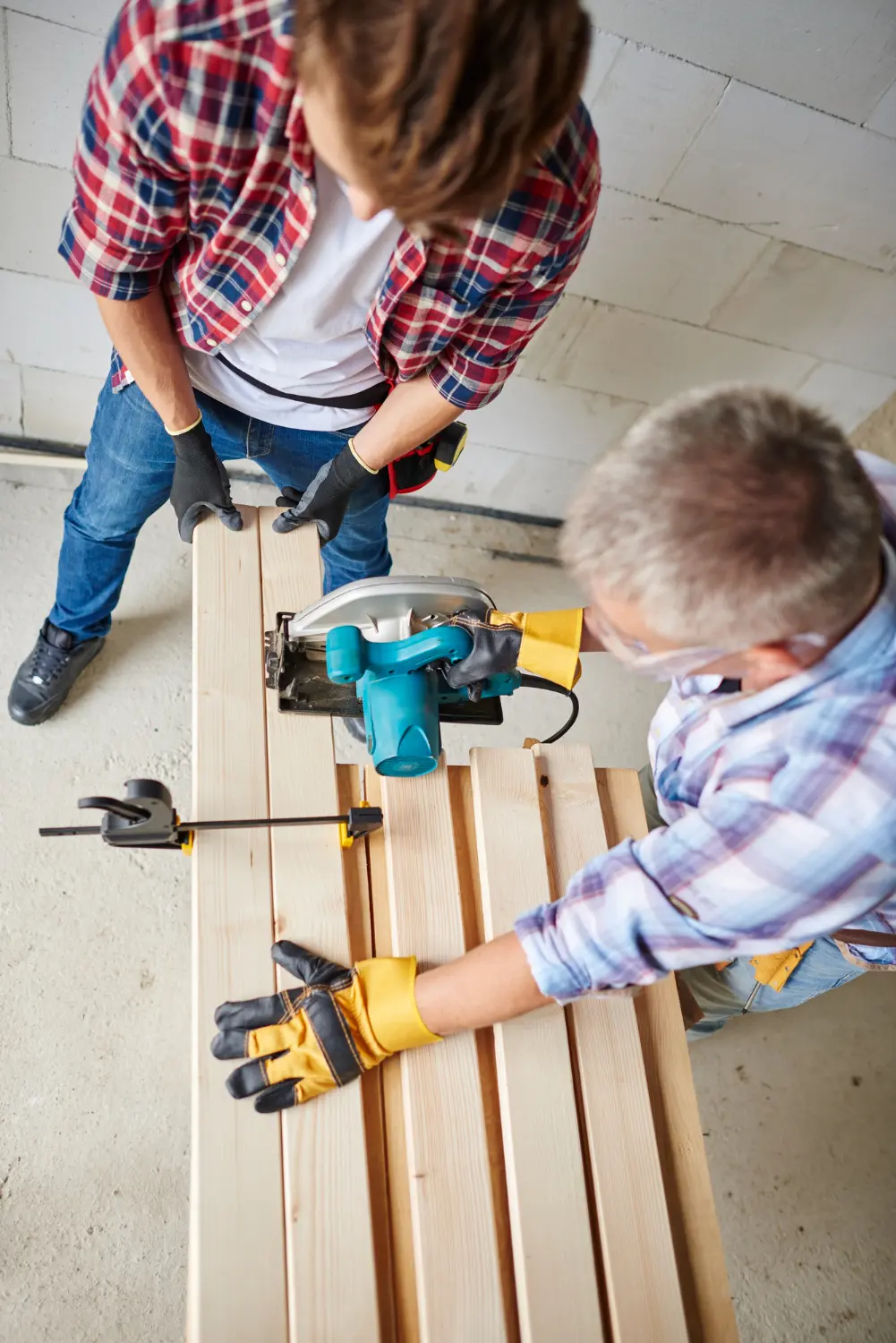
You might wonder how to renovate a house with no money or extremely tight funds. The secret lies in sweating the small stuff yourself rather than hiring expensive contractors. Focus heavily on simple cosmetic upgrades rather than moving complex plumbing lines or load-bearing walls.
Learning exactly how to plan a diy home project on a budget changes your entire perspective. You will quickly realize that fresh, modern paint transforms a room faster than expensive new drywall. Always prioritize these high-impact, low-cost areas first for maximum visual return on your investment.
Reusing existing materials is another massive, highly effective cost-saving strategy. Instead of ripping out old, structurally sound kitchen cabinets, sand them down completely. Applying a high-quality, durable enamel paint makes them look like brand-new custom pieces instantly.
Shopping smartly at architectural salvage yards or local discount building stores yields incredible finds. You can purchase gently used hardware, solid wood doors, and leftover tile for absolute pennies. Clearance sections at major hardware supply chains are absolute goldmines for tight remodeling budgets.
Furthermore, upcycling antique furniture adds massive character to a modern room design. You do not always need pristine, brand-new materials to achieve a beautiful, high-end look. A little creativity and elbow grease stretch a tiny budget incredibly far.
If your budget is practically zero, focus entirely on deep cleaning and aggressive decluttering. Power washing an old driveway or scrubbing dirty bathroom grout transforms spaces miraculously. These sweat-equity tasks cost absolutely nothing but dramatically improve your home’s overall aesthetic value.
Beginner-Friendly DIY Home Project Checklist
When starting out, tackling massive demolition projects is a very bad idea. Knowing how to plan a diy home project for beginners means picking highly achievable, quick wins. We created a comprehensive step-by-step home renovation checklist featuring highly manageable weekend tasks.
Wall Painting Upgrades
Painting is the ultimate beginner-friendly transformation tool for any room. A fresh coat of neutral paint brightens dark, dated spaces instantly. It requires very little technical skill but delivers massive visual impact immediately.
Cabinet Hardware Replacement
Swapping out old, tarnished drawer pulls updates your kitchen or bathroom incredibly fast. You just need a simple screwdriver and careful measuring skills to align everything perfectly. This tiny metallic detail makes generic, builder-grade cabinets look like expensive, custom-built pieces.
Floating Wall Shelves
Installing basic wooden floating shelves adds beautiful, highly functional vertical storage to dead spaces. Ensure you locate the structural wall studs using a reliable electronic stud finder first. Thus, your new shelves will safely hold heavy books and decor without sagging dangerously.
Peel-and-Stick Backsplashes
Real ceramic tile requires messy mortar, dangerous wet saws, and incredibly sticky grout. Alternatively, modern vinyl peel-and-stick tiles offer a stunning look with simple scissor cuts. This is the perfect introduction to kitchen upgrades for nervous, first-time DIY beginners.
Lighting Fixture Upgrades
Upgrading outdated lighting fixtures completely changes the entire mood of a sterile, boring room. You can easily swap old brass chandeliers for sleek, modern matte black pendant lights. Just ensure the main electrical breaker is fully switched off before touching any wires.
Vinyl Plank Flooring
Luxury vinyl planks snap together easily without requiring messy glues or heavy pneumatic nailing. You can lay this durable, waterproof flooring directly over old, ugly linoleum easily. It completely revamps a living room over a single weekend with minimal physical effort.
Home Renovation Checklist Template
Staying organized requires a rigid, highly documented system for every single room you tackle. Utilizing a comprehensive home renovation project plan template keeps your chaotic thoughts perfectly ordered. You track every single phase, from the initial demolition to the final paint touch-ups.
Many people search for a detailed, whole-house renovation checklist PDF to print out. Having physical paper to check off provides immense psychological satisfaction during stressful, messy workdays. The ideal template breaks your entire project down into distinct, highly logical construction phases.
Pre-Renovation Planning
This initial phase includes securing any necessary municipal or city permits for large structural changes. You must also finalize your overall budget and lock in your aesthetic design choices. Ordering bulk materials early prevents massive shipping delays from ruining your construction schedule.
Demolition Phase
Tearing down old structures requires careful safety protocols and renting large outdoor dumpsters. Always shut off the main water valves and electrical breakers before swinging any heavy hammers. Carefully removing debris ensures a clean, safe workspace for the actual rebuilding process.
Rough-In Structural Work
This hidden phase handles essential wall framing, internal plumbing pipes, and complex electrical wiring. You must leave the drywall completely open until official city inspectors approve the hidden work. Rushing this step often results in failing critical municipal building code inspections.
Finishing and Final Cleanup
This final stage covers hanging smooth drywall, laying floors, and installing delicate decorative trim. Once the painting is finished, execute a massive, whole-house deep clean immediately. Removing fine construction dust from your air vents makes the house finally feel like home.
Best Apps to Plan DIY Home Projects
Technology makes organizing complex, stressful home upgrades much easier than ever before. Downloading a dedicated remodel-my-house app streamlines your entire creative and financial process. These digital tools replace messy paper notebooks and easily lost hardware store receipts completely.
Augmented reality applications allow you to visualize new furniture layouts instantly through your phone. You can point your smartphone camera at an empty corner and see digital cabinets appear. Consequently, you avoid buying bulky, expensive items that simply do not fit your physical space.
We research and test various gadgets to write in the article, including advanced digital measuring tools. Laser distance meters pair perfectly with 3D floor plan generation applications on your tablet. Thus, you create highly accurate blueprints yourself without needing an expensive, professional architect.
Furthermore, dedicated renovation budgeting apps track every single hardware store transaction automatically. You monitor your strict spending limits in real-time while standing in the checkout aisle. This rigid digital oversight prevents you from accidentally bankrupting your hard-earned renovation fund entirely.
Unique DIY Home Improvement Ideas
Are you looking for unique projects for the home that make a massive visual impact? The best DIY home improvement projects often blend simple aesthetics with high functionality. Let’s explore some fantastic DIY home improvement projects you can tackle quickly.
Creating a stunning wooden slat accent wall completely transforms a boring living room instantly. You simply cut cheap pine boards and attach them over a dark-painted background. Furthermore, hiding LED strip lighting behind your television creates an incredibly modern, cinematic viewing experience.
Upgrading your cooking space does not require a massive, expensive demolition crew. Cabinet repainting is heavily labor-intensive but visually rewarding and extremely cost-effective. Combine this fresh paint with a gorgeous geometric peel-and-stick backsplash for a total kitchen makeover.
Your exterior living spaces deserve just as much DIY love and attention. Stringing waterproof solar garden lighting across your patio creates a magical evening atmosphere easily. Also, building a simple wooden bench planter upgrades your patio seating area dramatically over a single weekend.
Common DIY Mistakes to Avoid
Even experienced homeowners stumble if they ignore basic, fundamental construction rules. The most common mistake is massively underestimating total material costs and time requirements. Always double your initial time estimates to account for inevitable delays and learning curves.
Skipping tedious preparation work completely ruins the final aesthetic result every single time. Painting over dusty, unsanded walls guarantees peeling paint and a highly unprofessional finish. Prep work is incredibly boring but entirely essential for long-lasting, beautiful renovations.
Furthermore, using the wrong tools guarantees intense frustration and poor physical workmanship. We research and test various gadgets to write in the article, ensuring you know exactly what works best. Trying to cut thick ceramic tile with a cheap hand scorer instead of a wet saw ends disastrously.
Finally, ignoring essential safety gear is incredibly foolish and highly dangerous. Always wear protective eyewear, heavy-duty gloves, and rated respirator masks during any demolition phase. Your physical health is far more valuable than saving a few dollars on basic safety equipment.
When to DIY vs Hire a Professional
Understanding your physical limitations prevents catastrophic damage to your primary financial investment. You must know exactly when to put down the hammer and call licensed, professional contractors. Making a mistake on a throw pillow is fine; making a mistake on internal plumbing is disastrous.
Electrical work carries massive, potentially fatal risks for untrained beginners. You can easily swap a basic light fixture, but never attempt wiring a new breaker panel yourself. Always hire a licensed electrician for complex wiring to prevent devastating house fires.
Similarly, heavy plumbing limitations exist for the average DIY weekend warrior. Replacing a bathroom faucet is easy, but moving a main sewer line requires extensive professional expertise. A burst pipe will destroy all your hard DIY work and cause immense, expensive water damage.
Finally, never attempt heavy structural modifications without consulting a licensed architectural engineer. Removing a load-bearing wall improperly will literally cause your home’s roof to collapse. Some tasks absolutely require expensive professional permits, heavy construction crews, and massive insurance policies.
Frequently Asked Questions
How do I start a DIY home project as a beginner?
Start by choosing a small, low-risk project like painting a bedroom or updating cabinet hardware. Create a strict budget, watch professional tutorial videos, and gather all necessary materials beforehand. Completing a small project successfully builds immense confidence for tackling larger renovations later.
What is the cheapest way to renovate a house?
The absolute cheapest way is to utilize your own physical sweat equity instead of hiring contractors. Focus heavily on deep cleaning, decluttering, and applying fresh coats of bright, neutral paint everywhere. Upcycling existing furniture and shopping at architectural salvage yards saves massive amounts of money.
Can I renovate a house with no money?
Yes, you can make significant visual improvements with practically zero dollars in the bank. Rearranging your existing furniture layout instantly improves room flow and overall daily function. Thoroughly scrubbing dirty floors, power washing siding, and organizing chaotic closets completely refreshes a stale home.
What are the easiest DIY home improvement projects?
The absolute easiest projects involve zero heavy demolition or dangerous power tools. Swapping outdated electrical outlet covers and installing smart home light bulbs takes just minutes. Applying modern peel-and-stick wallpaper creates a massive visual change with very little physical effort.
What app helps plan home renovations?
Applications like Houzz and Magicplan are incredibly helpful for visualizing massive home renovations. They allow you to build digital 3D floor plans using your smartphone camera easily. These apps help you track strict budgets and organize physical material purchases highly efficiently.
Final Thoughts: Execute Your DIY Home Project with Confidence
Learning exactly how to plan a DIY home project effectively changes your life entirely. You gain immense practical skills while massively increasing your property’s overall financial value. Proper preparation completely eliminates the terrible anxiety normally associated with messy, chaotic home renovations.
Remember to always start small, stick strictly to your calculated budget, and prioritize your physical safety. A beautifully executed renovation is simply the direct result of patient, methodical, and logical planning. Stop dreaming about that perfect living space and start building your actionable renovation plan today!