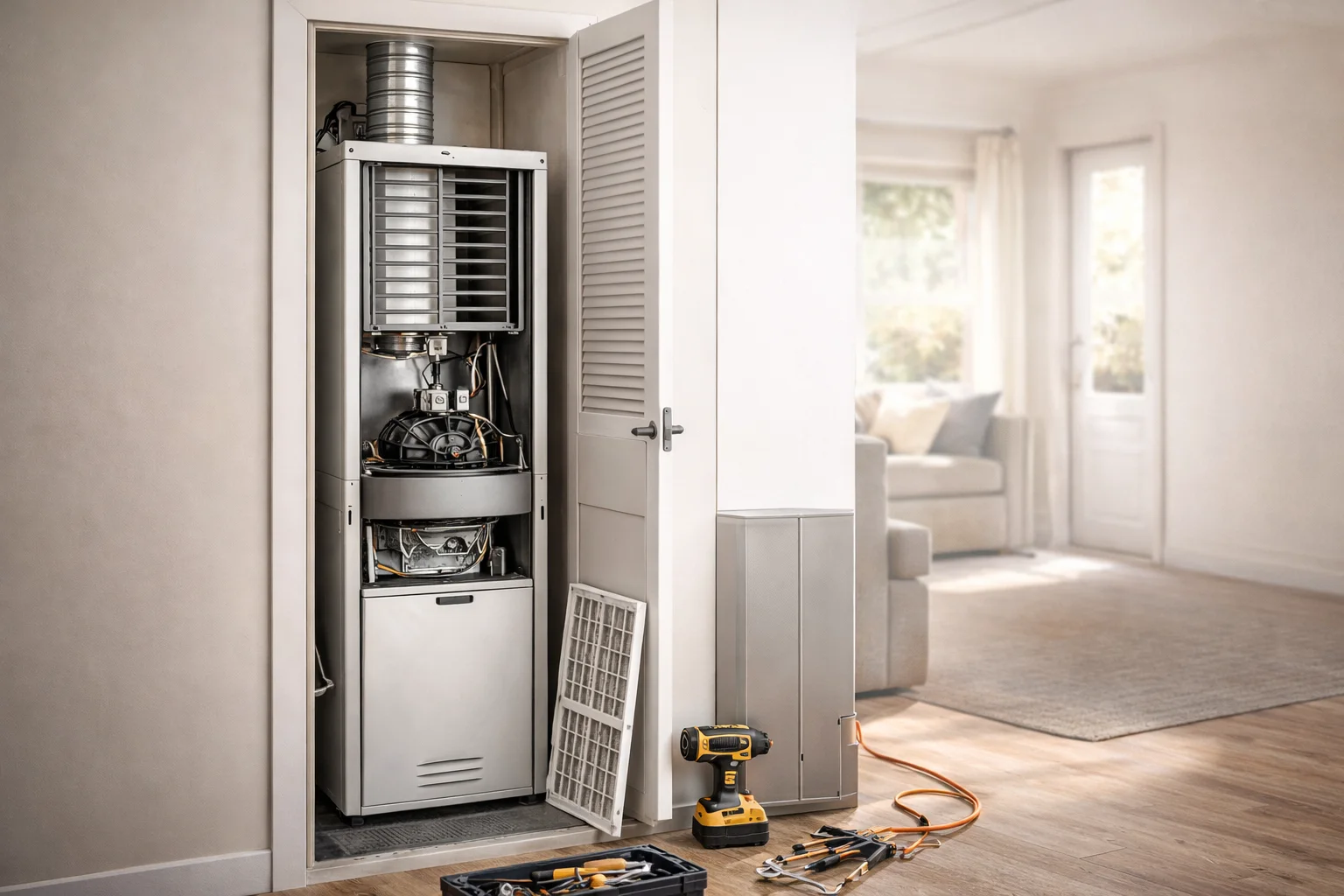
Finding the right mobile home furnace is critical for maintaining a comfortable and safe living environment year-round. Manufactured homes have unique structural designs, meaning you cannot simply install a standard residential heating system. They require specialized, highly compact units that connect safely to restricted ductwork.
Because we research and test various gadgets to write in the article, we understand how overwhelming it can be to navigate these strict housing regulations. Installing the wrong system is not just a financial mistake; it can violate local safety codes and create severe fire hazards.
This comprehensive guide covers everything you need to know about heating your manufactured space in 2026. We will dive deep into the specific types of furnaces available, current installation costs, and exactly what to expect during a full replacement. You will also learn vital maintenance tips to keep your system running efficiently for decades.
Quick Answer – What Kind of Furnace Do You Need for a Mobile Home?
Mobile homes require HUD-approved furnaces designed specifically for manufactured housing. These units are typically downflow furnaces that fit compact spaces and meet stricter safety standards. Gas, electric, and propane options are available depending on your home setup.
How Does a Mobile Home Furnace Work?
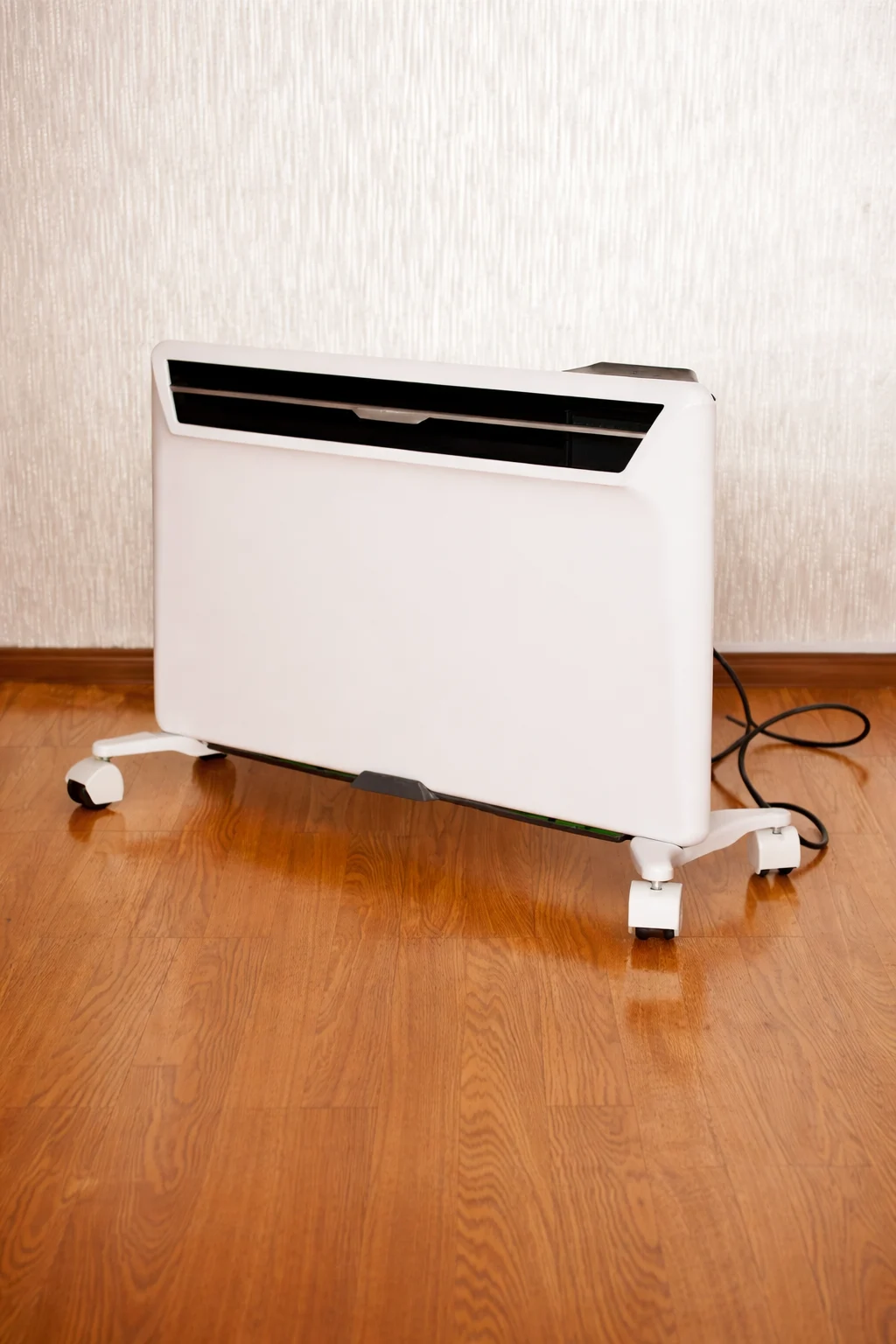
If you are wondering how a mobile home furnace works, it operates on the same basic principles as a standard system but with specialized airflow mechanics. Because manufactured homes typically lack basements or large attics, the ductwork is usually routed securely under the floorboards.
The system draws in cold indoor air through a centralized return vent, usually located right on the furnace door itself. This air is then passed over a heat exchanger or electric heating coils, rapidly raising its temperature. A high-powered blower motor then forces this freshly heated air into the ductwork.
Unlike standard home systems that often push air upward, mobile home units must force the air powerfully in specific directions to overcome the tight duct spaces. The unit must also be perfectly sealed to ensure no carbon monoxide or exhaust gases leak into the small, tightly insulated living space.
Types of Mobile Home Furnaces
Choosing the correct fuel source is the most important decision when upgrading your heating system. Your choice will dictate your monthly energy bills, maintenance requirements, and upfront installation costs.
Electric Mobile Home Furnace
A mobile home furnace electric model is often the most popular choice for smaller manufactured homes in mild climates. These units use heavy-duty electric heating coils to generate warmth, entirely eliminating the need for combustible fuels or complex exhaust flues.
Choosing an electric mobile home furnace means enjoying a highly affordable upfront purchase price and minimal mechanical maintenance. However, because electricity can be expensive, they are not always the most cost-effective option for massive double-wide homes facing brutal, freezing winters.
Gas Mobile Home Furnace
If your property has access to a municipal natural gas line, a mobile home gas furnace is usually the most efficient long-term investment. These systems burn natural gas inside a sealed heat exchanger, producing intense, consistent heat that warms up a home much faster than electric models.
While they cost more to purchase and install, the low cost of natural gas typically offsets the initial investment within a few years. Modern gas systems are incredibly highly efficient, capturing almost all the heat generated and keeping your monthly utility bills comfortably low.
Propane Furnace for Mobile Home
For homeowners in rural areas without access to city gas lines, a mobile home furnace propane unit is an excellent alternative. Propane burns extremely hot, making it highly effective for combating severe winter temperatures in uninsulated environments.
Installing a propane furnace for mobile home use requires a dedicated outdoor storage tank that must be refilled periodically by a local delivery service. While the fuel can be slightly more expensive than natural gas, the heating output and reliability make it a top-tier choice for off-grid manufactured homes.
Oil Furnace (Less Common)
While once a standard in older manufactured housing, finding a new mobile home oil furnace is becoming increasingly rare. These systems require a massive external oil tank and burn heating oil to generate warmth. They require extensive annual maintenance, frequent filter changes, and regular soot cleaning to remain safe.
Most homeowners currently using oil are actively converting to electric or propane systems during their next upgrade. Oil furnaces are simply too inefficient and dirty compared to modern heating technology.
Furnace Design Types (Important)
Beyond the fuel source, the physical design and airflow direction of the unit must match your home’s built-in ductwork. Installing the wrong configuration will make the system completely useless.
Downflow Mobile Home Furnace
The vast majority of manufactured homes require a downflow mobile home furnace. In these setups, the system pulls cold air in from the top of the unit, heats it, and forcefully blows it straight down into the ductwork running beneath the floor.
If you are replacing an older system, you will likely need a mobile home electric downflow furnace or its gas equivalent. Always double-check your floor vents; if heat comes from the floor, you absolutely need a downflow configuration.
Upflow Mobile Home Furnace
An upflow mobile home furnace is much less common but essential for homes built with ceiling ductwork. These units pull cool air from the bottom and push the newly heated air upward through the roof cavity. You will typically only find these required in specific modular homes or highly customized manufactured housing.
Best Mobile Home Furnace Brands
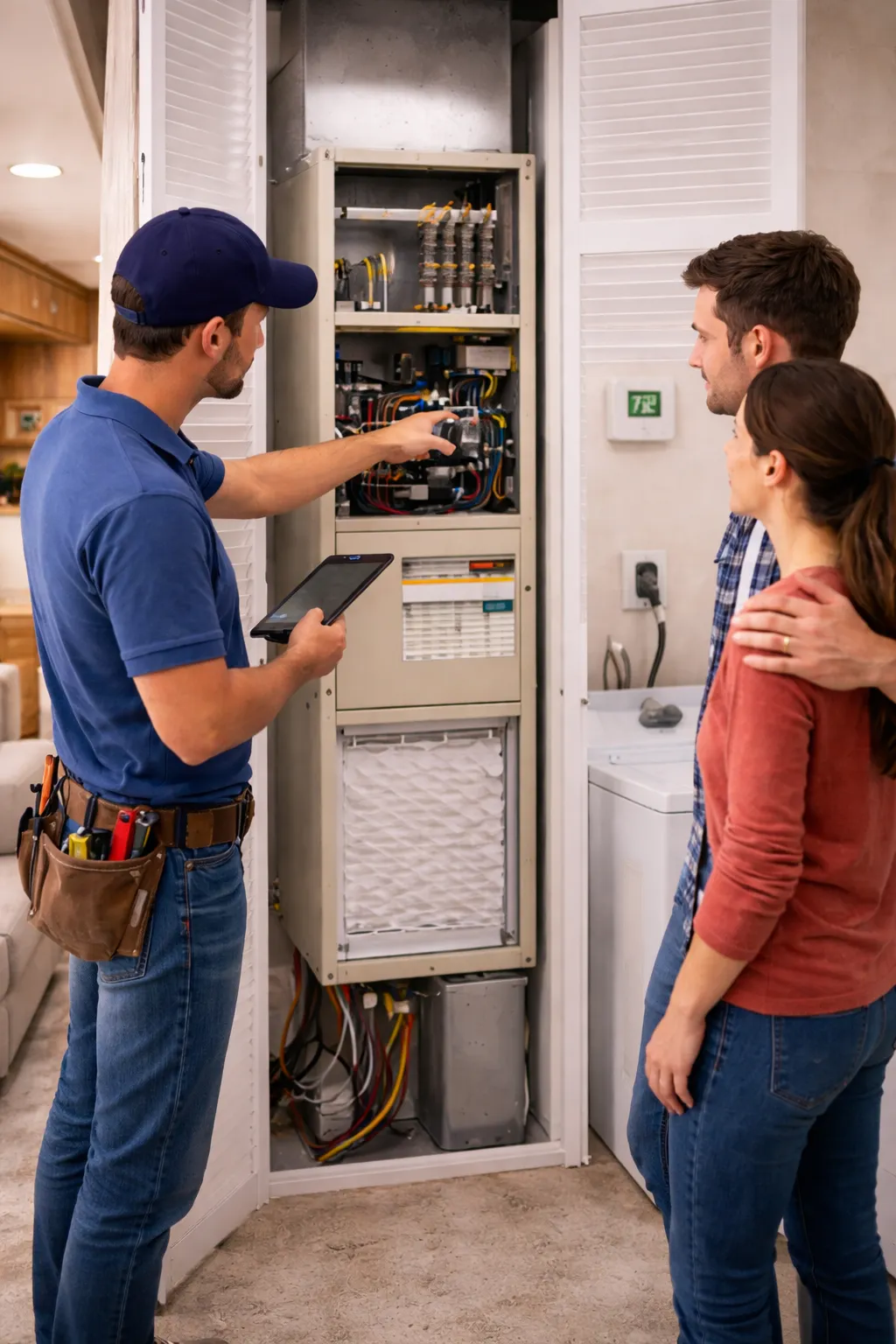
Brand reputation matters heavily when selecting a new system. You want equipment built specifically for the unique vibrations and spatial constraints of manufactured housing.
We highly recommend looking into a Coleman mobile home furnace, as it has been the industry standard for decades. Known for rugged durability, Coleman units are a staple in older and newer homes alike. Similarly, an Intertherm mobile home furnace offers fantastic energy efficiency and reliable performance for budget-conscious buyers.
If you want premium longevity, a Nordyne mobile home furnace is an excellent choice, often sharing internal parts with other top-tier brands. Many contractors also swear by a Miller mobile home furnace for straightforward installation, while a Revolv mobile home furnace is quickly becoming popular for its modern design and excellent warranty coverage. Finding parts, like an old Coleman mobile home furnace blower motor, is also much easier when you stick to these major, established brands.
Mobile Home Furnace & AC Combo Systems
Space is a premium commodity in any manufactured home. To maximize your available square footage, investing in a mobile home furnace & air conditioner combo is often the smartest route. These packaged systems house both the heating and cooling components within a single, highly efficient unit.
A combo system eliminates the need for a massive indoor air handler and a separate outdoor condenser. Because they share the exact same blower motor and ductwork connections, they are incredibly efficient and much easier to maintain. You only have to worry about servicing one centralized appliance throughout the year.
Mobile Home Furnace Cost (2026)
Budgeting for a new heating system requires up-to-date market data. If you are asking how much a furnace for a mobile home is in 2026, prices generally vary heavily based on your chosen fuel type. Electric units remain the most affordable, typically costing between $1,500 and $3,500 for the unit itself.
Alternatively, if you are wondering how much a furnace costs for a mobile home when using gas or propane, expect higher upfront prices. These combustion units generally range from $2,500 to $6,500. This increased mobile home furnace price accounts for the complex heat exchangers and strict safety venting required for gas operation.
Mobile Home Furnace Replacement Cost
The price of the raw machinery is only half the battle. When calculating the total mobile home furnace replacement cost, you must factor in professional labor, ductwork adjustments, and potential permit fees. HVAC contractors typically charge between $75 and $150 per hour for their specialized expertise.
If your new unit requires different exhaust flues or updated gas lines, ask your contractor exactly how much to replace a furnace in a mobile home with these modifications. Total installation labor can easily add $1,000 to $2,000 to your final bill, especially if your home requires strict HUD compliance updates.
How Long Does a Mobile Home Furnace Last?
Homeowners frequently ask how long a mobile home furnace lasts before it needs total replacement. On average, a well-maintained manufactured home heating system will safely operate for 15 to 20 years. Electric units tend to last slightly longer than gas models due to having fewer internal combustion parts to wear out.
However, this longevity is heavily dependent on routine maintenance. A system that receives annual professional tune-ups and monthly filter changes will easily reach the 20-year mark. Neglected systems often suffer catastrophic blower motor failures well before their tenth year.
When Should You Replace Your Furnace?
Knowing the right time for a complete mobile home furnace replacement can save you from a freezing mid-winter breakdown. The primary indicator is the system’s age; anything crossing the 15-year threshold is living on borrowed time. Rising energy bills are another massive red flag indicating falling efficiency.
You must also track your repair frequency over the last two seasons. If you are constantly calling technicians to patch up failing sensors or cracked heat exchangers, the system is structurally dying. Prioritize safety and replace the unit before it begins leaking dangerous carbon monoxide into your living space.
The $5000 Rule Explained
When deciding between a repair and a total replacement, industry experts rely on a simple mathematical formula. If you are wondering about the $5000 rule for furnace repairs, it helps homeowners gauge the true value of their investment. You simply multiply the estimated repair cost by the exact age of your unit in years.
For example, a $400 repair on a 15-year-old system equals $6,000. Because this number exceeds $5000, replacing the entire unit is the smartest financial decision. If the final calculated number is under $5000, it is generally considered safe and cost-effective to proceed with the temporary repair.
Mobile Home Furnace Installation Guide
Handling a mobile home furnace installation is never a DIY weekend project. Manufactured homes require precise duct sealing and specific HUD-approved venting systems that must be handled by certified professionals. An amateur installation can quickly result in fatal carbon monoxide leaks or devastating electrical fires.
A licensed HVAC technician will ensure the unit sits perfectly level and connects seamlessly to your existing sub-floor ductwork. They will also verify that the exhaust flues meet all local building codes and safety standards. Always hire a professional to protect your family and keep your manufacturer’s warranty completely intact.
How to Replace a Mobile Home Furnace
Understanding how to replace a mobile home furnace helps you prepare for the installation day. The process begins with completely shutting off the main gas line and electrical breakers. Safety is the absolute top priority when dealing with high-voltage wiring and volatile combustible fuels.
Next, the technician will figure out how to remove a mobile home furnace by carefully disconnecting the venting, ductwork, and gas lines. If you are researching how to remove a furnace from a mobile home, know that the old unit is slowly pulled out of its tight closet space. The new unit is then secured, sealed, and rigorously tested for proper airflow and potential gas leaks.
Mobile Home Furnace Repair & Troubleshooting
When a heating system breaks down mid-winter, knowing the basics of mobile home furnace repair can save you significant time and money. Many common heating failures are caused by incredibly simple issues, such as a tripped circuit breaker or a malfunctioning thermostat. If your system refuses to ignite, always check the thermostat batteries and ensure the main power switch is flipped on.
Learning how to fix a mobile home furnace often involves inspecting the internal blower motor and the ignition sensor. If the blower runs constantly but only blows cold air, you likely have a faulty flame sensor or a broken electric heating coil. For gas systems, a dirty pilot light or a clogged burner assembly will completely prevent the unit from generating any substantial heat.
While basic visual troubleshooting is safe, complex electrical wiring or gas line issues require professional intervention immediately. When searching for reliable mobile home furnace repair near me, always specifically ask if the technicians are certified for manufactured housing. Standard residential HVAC workers often lack the specific HUD-compliance training required to safely handle downflow units in tight spaces.
Cleaning & Maintenance Guide
Regular maintenance is the absolute best way to prevent catastrophic winter breakdowns and expensive emergency repair bills. If you want to know how to clean a mobile home furnace, the process starts with shutting off all electrical power and gas valves. Safety is paramount before you ever open the front access panel to inspect the internal components.
To properly learn how to clean mobile home furnace systems, you need a shop vacuum equipped with a soft brush attachment. Gently vacuum away heavy dust and debris from the internal blower motor compartment and around the metal burner assembly. Built-up dust suffocates the blower motor, causing it to overheat, work harder, and significantly increase your monthly utility bills.
When figuring out how to clean a furnace in a mobile home safely, pay special attention to the flame sensor on gas units. Use a piece of light steel wool to gently wipe the carbon soot off the metal sensor rod. A clean sensor ensures the gas valve stays open when commanded, allowing your system to heat the home safely and efficiently.
Mobile Home Furnace Filters & Parts
Replacing your mobile home furnace filter is the single most important routine maintenance task you can perform as a homeowner. A clogged, dirty filter severely restricts critical airflow, forcing the system to work twice as hard to distribute heat. You should inspect your filter every 30 days and replace it immediately if it appears dark gray or completely covered in debris.
Unlike standard residential systems, mobile home furnace filters are often located directly behind the louvered front access panel. You must ensure you purchase the exact dimensions required by your manufacturer to prevent dust from bypassing the filter media. Using an improperly sized filter allows abrasive dirt to permanently coat the delicate indoor evaporator coils and blower wheel.
Sourcing authentic mobile home furnace parts is relatively easy if you stick to major brands like Coleman, Nordyne, or Intertherm. Whether you need a new blower capacitor, a replacement gas valve, or a sturdy new mobile home furnace door, always use OEM (Original Equipment Manufacturer) components. An improperly sealed furnace door can cause dangerous draft issues and allow fatal carbon monoxide to enter the living space.
Furnace Power Usage
Energy efficiency is a massive concern for homeowners looking to reduce their monthly utility overhead during the freezing winter months. If you are asking how many watts a mobile home furnace uses, it depends entirely on whether the system is gas or fully electric. Gas units only use electricity to run the blower motor, typically consuming between 400 and 800 watts during active operation.
Conversely, if you are wondering how many watts a mobile home furnace that relies entirely on electric heating coils is, the number is massive. Electric furnaces can easily draw between 10,000 and 20,000 watts when actively heating a large double-wide home. Because we research and test various gadgets to write in the article, we highly recommend installing a high-quality smart thermostat to aggressively manage this heavy power consumption.
Choosing the Right Size Furnace
Installing an incorrectly sized heating unit is the absolute biggest mistake you can make during a home renovation. When determining exactly what size furnace for mobile home installations you need, contractors rely on strict BTU (British Thermal Unit) calculations. A unit that is too small will run constantly, driving up energy bills while entirely failing to keep the home warm.
Conversely, a furnace that is far too large will “short cycle,” turning on and off rapidly before properly distributing the heat. For a standard single-wide home in a moderate climate, a 40,000 to 60,000 BTU unit is usually more than sufficient. Larger double-wide homes in freezing northern climates frequently require robust 70,000 to 90,000 BTU systems to maintain comfortable indoor temperatures.
Contractors use a strict Manual J load calculation to determine the exact required capacity for your specific property. This calculation factors in the home’s square footage, the quality of your window insulation, and your regional climate zone. Never let a contractor guess your required size based solely on the old, outdated unit’s specifications.
Pros and Cons of Mobile Home Furnaces
Mobile home-specific heating systems come with a distinct set of advantages and inherent structural limitations. On the positive side, these units are incredibly compact, allowing them to fit perfectly into small utility closets without wasting valuable living space. They are also heavily regulated by HUD, ensuring strict national safety standards regarding fire prevention and exhaust venting.
Additionally, mobile home heating systems are usually much easier to access for routine filter changes since they sit inside a centralized hallway. However, you must always ensure the louvered door remains completely unobstructed by furniture or rugs. Blocking the airflow to this door will instantly suffocate the unit and trigger an emergency thermal shutdown.
The primary drawback is the distinct lack of universal compatibility and limited aftermarket upgrade options. You cannot simply buy a high-end standard residential unit on sale and drop it into a manufactured home. Furthermore, the specialized replacement parts required for mobile home systems can sometimes be harder to source locally compared to standard HVAC components.
Frequently Asked Questions
What kind of furnace do I need for a mobile home?
You must install a specifically designed, HUD-approved unit made explicitly for manufactured housing. These are typically downflow systems that forcefully push hot air into ductwork located securely beneath the floorboards. Standard residential furnaces are strictly prohibited, as they violate fire and safety codes.
How much does it cost to replace a mobile home furnace?
A complete unit replacement typically costs between $1,500 and $6,500, depending heavily on the required fuel type. Electric systems are much cheaper upfront, while modern gas and propane units sit at the higher end of the price spectrum. Professional installation labor will easily add $1,000 to $2,000 to your total budget.
How long do mobile home furnaces usually last?
A well-maintained heating system will typically last between 15 and 20 years before requiring a total replacement. You can easily maximize this lifespan by strictly replacing the air filters every 30 days and scheduling annual professional tune-ups. Neglected systems often suffer major mechanical failures well before their tenth year.
Can I install a regular furnace in a mobile home?
No, it is highly illegal and incredibly dangerous to install a standard residential furnace in a manufactured home. Mobile homes have specific airflow constraints, tight structural clearances, and unique venting requirements that standard units cannot safely handle. Doing so will instantly void your home insurance and create a massive fire hazard.
Are mobile home furnaces different?
Yes, they are engineered entirely differently to safely accommodate the spatial restrictions of manufactured housing. They feature specialized downflow blower configurations and utilize highly concentrated, sealed-combustion venting systems. They are also built to absorb the slight structural vibrations common in mobile homes without sustaining internal damage.
Final Verdict – Best Mobile Home Furnace Choices
Selecting the perfect heating system for your manufactured home ultimately comes down to your local climate and utility availability. If you live in a mild climate and want a budget-friendly, low-maintenance option, a dedicated electric furnace is an excellent choice. They are highly reliable, structurally safe, and completely eliminate the need for combustible fuels.
For homeowners facing harsh, freezing winters, investing in a high-efficiency gas or propane system is absolutely vital. While the initial replacement cost is much higher, the sheer heating power and lower monthly utility bills make it a superior long-term investment. Always consult with a HUD-certified HVAC professional to ensure your new system is sized perfectly and installed safely.