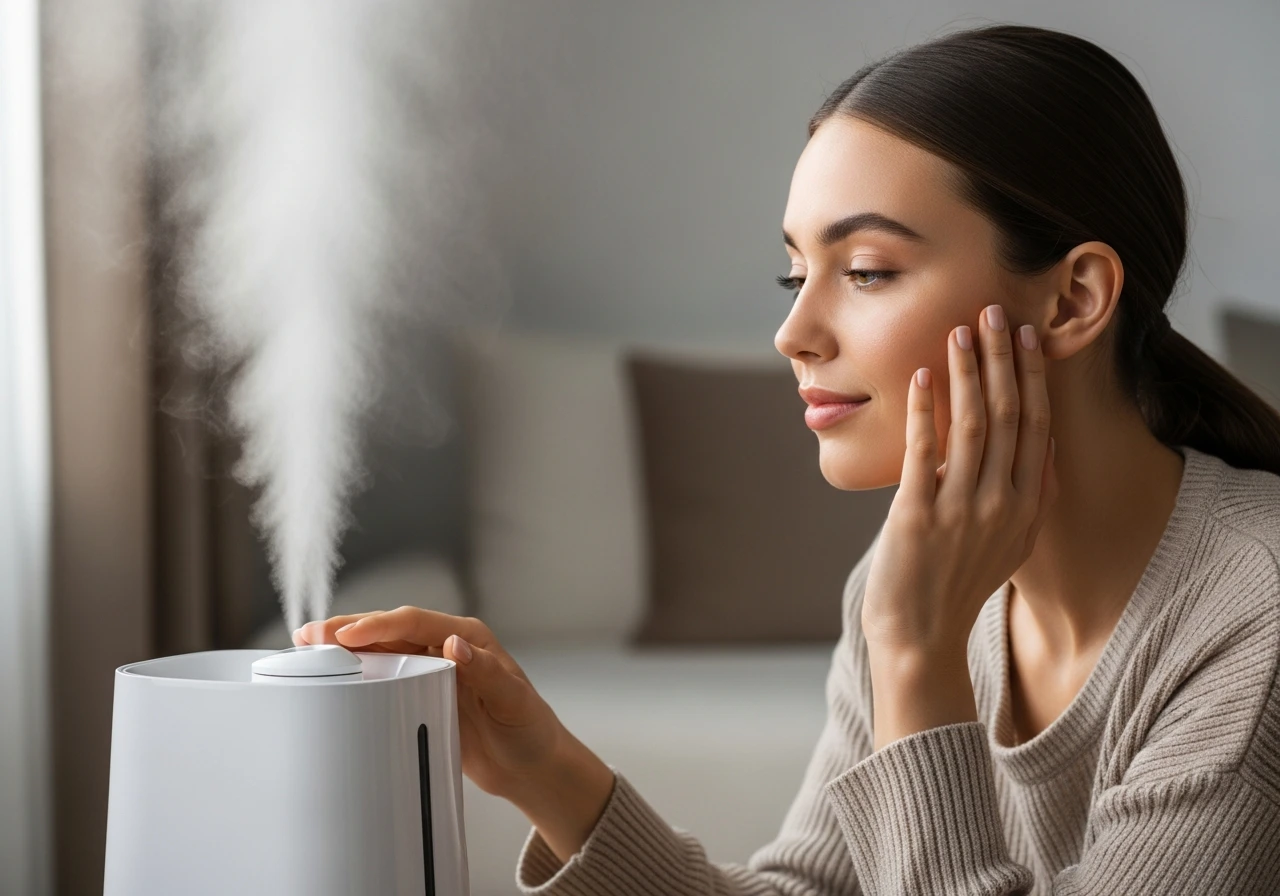
Winter brings chilly weather and artificial heating, which aggressively strips moisture from your indoor air. This sudden drop in humidity often leads to dry skin, scratchy throats, and restless nights. If you are wondering exactly what a humidifier is used for, you are not alone in seeking a solution for these common seasonal discomforts.
Because we research and test various gadgets to write in the article, we understand how dramatically these devices can transform your indoor environment. A humidifier is an essential home health appliance designed to reintroduce water vapor into dry spaces, mimicking a more natural, comfortable climate.
In this comprehensive guide, we will explore the specific uses, health benefits, and critical safety protocols associated with these devices. Whether you want to soothe a congested baby or protect your expensive hardwood floors, understanding how to use this appliance correctly is key.
Quick Answer – What Is a Humidifier Used For?
A humidifier is used to add moisture to the air, helping relieve dryness in the skin, throat, and nasal passages. It is commonly used to improve indoor comfort, reduce congestion, support better sleep, and protect sensitive wood furniture and electronics from dry air damage.
What Is a Humidifier Used for in a Home?
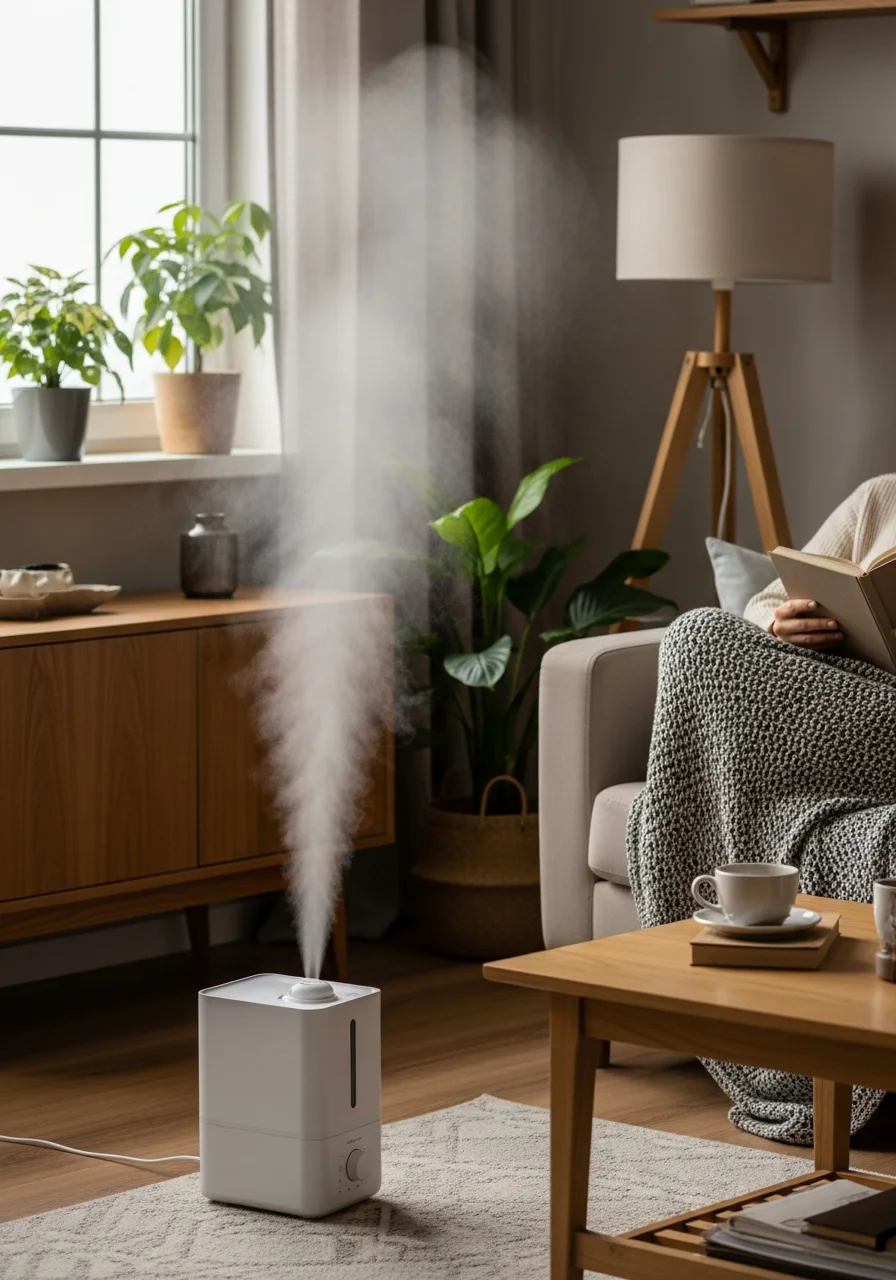
When determining what a humidifier is used for in a home, the primary goal is maintaining optimal indoor air quality. Heating systems and air conditioners constantly cycle air, stripping away its natural moisture content in the process. This creates a harsh, arid environment that affects both your physical body and your home’s infrastructure.
Using an air humidifier replenishes this lost moisture, keeping humidity levels within the ideal 30% to 50% range. This prevents airborne dust from circulating as freely, making the air feel heavier and cleaner to breathe. It also stops static electricity from building up, which can shock you or damage sensitive household electronics.
Furthermore, if you are wondering what a room humidifier is used for specifically, it allows for targeted moisture control. Instead of treating the whole house, you can elevate the humidity in a single space like a living room or office. This targeted approach ensures that the room you spend the most time in remains perfectly balanced.
What Are the Benefits of a Humidifier?
Understanding what are the benefits of a humidifier involves looking at both human health and household preservation. Below, we break down the most significant advantages of running one of these moisture-generating devices in your daily life.
Relief for Dry Skin and Irritation
Your skin naturally loses moisture to the surrounding environment through a process called transepidermal water loss. When indoor air is exceptionally dry, this evaporation process accelerates rapidly. This leads to flaking, itching, and the worsening of skin conditions like eczema or psoriasis.
By running a humidifier, you introduce a protective barrier of moisture into the air. This slows down the evaporation from your skin, allowing your body to retain its natural oils and hydration. Users consistently report softer, more supple skin during the winter months when using these devices.
Support for Congestion and Cold Symptoms
Many people ask, “Does a humidifier help with congestion?” The answer is a resounding yes. Dry air causes the mucus in your nasal passages to become thick and sticky, making it difficult to expel and leading to severe sinus pressure.
Moist air naturally thins out this mucus, allowing your respiratory system to drain properly. This gentle hydration reduces the swelling in your nasal passages, providing immediate relief from the stuffy, blocked sensation. It is a highly effective, drug-free way to manage upper respiratory discomfort.
Improvement in Sleep Quality
If you frequently wake up with a parched throat or dry mouth, you might be wondering, does a humidifier help you sleep? Dry air often forces people to breathe through their mouths, leading to snoring and frequent midnight awakenings.
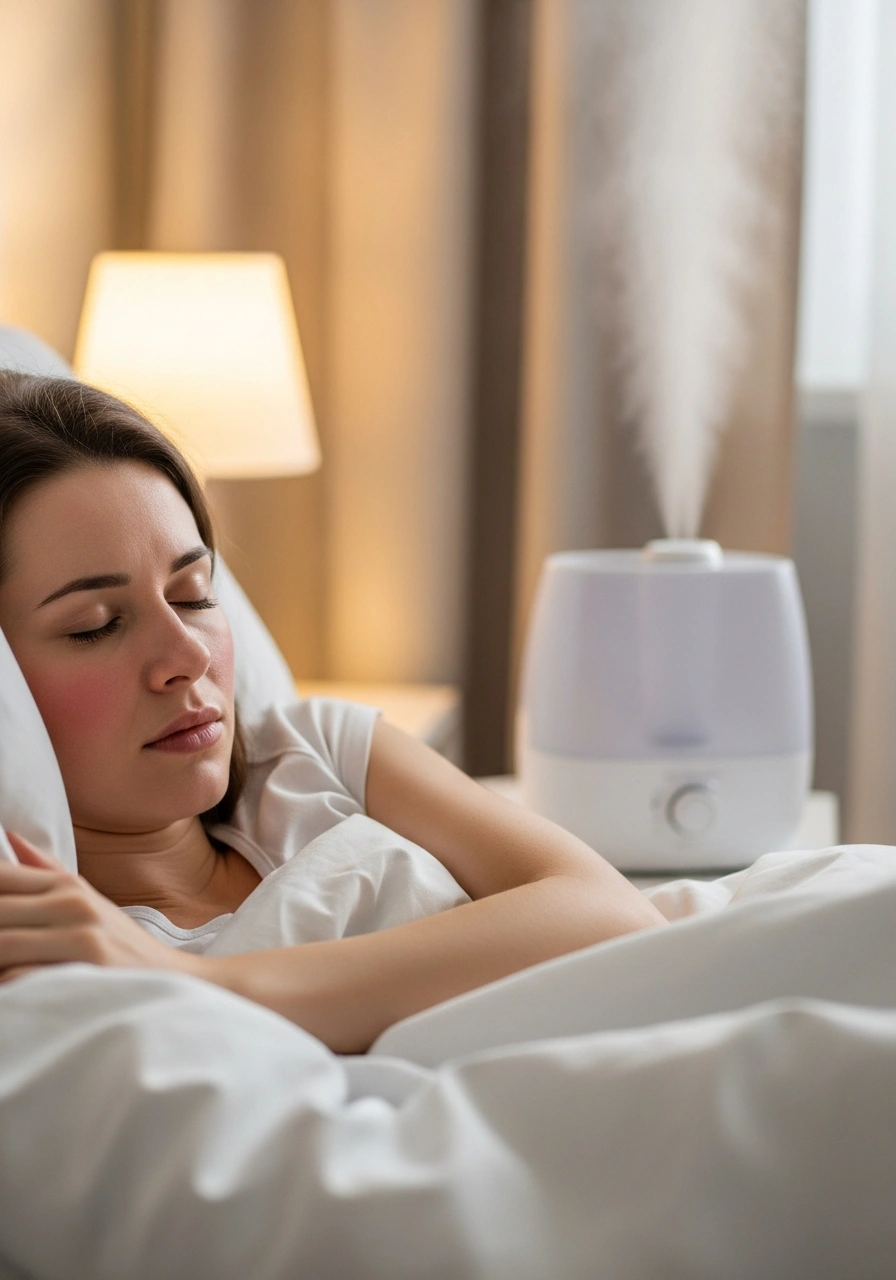
The benefits of a humidifier in the bedroom include keeping your vocal cords and throat lubricated throughout the night. This reduces the likelihood of snoring and prevents that painful, scratchy feeling in the morning. Ultimately, a balanced bedroom climate promotes deeper, more restorative sleep cycles.
Protection for Wood Furniture and Floors
Beyond personal health, humidifiers play a crucial role in protecting your home’s physical structure. Wood is a porous material that constantly absorbs and releases moisture depending on the surrounding air. When the air is too dry, wood loses moisture, causing it to shrink, splinter, and crack.
Running a humidifier prevents expensive hardwood floors, antique furniture, and musical instruments from drying out. Maintaining a consistent humidity level preserves the structural integrity and aesthetic beauty of these valuable wooden items.
Enhancement of Respiratory Comfort
Our respiratory systems are lined with delicate mucous membranes that require moisture to function correctly. These membranes act as biological filters, trapping dust, pollen, and viruses before they can reach our lungs. Dry air damages these membranes, creating microscopic cracks that invite infection.
By keeping the air hydrated, you support your body’s natural defense mechanisms. This overall respiratory comfort is essential for everyone, but particularly beneficial for individuals sensitive to airborne allergens or dust.
What Is a Humidifier Used for When Sick?
When flu season hits, many families quickly set up their misting devices, but exactly what is a humidifier used for when sick? Viruses thrive in dry environments, and cold air makes your airways highly reactive and sensitive. A humidifier helps soothe the severe throat irritation caused by constant coughing.
Additionally, the added moisture helps to loosen stubborn chest congestion, making your coughs more productive. It prevents the thick buildup of phlegm that can settle in the chest and lead to secondary infections. It is a staple in sickroom care because it provides continuous, passive relief while the patient rests.
What Is a Humidifier Used for Babies?
Infants have incredibly sensitive respiratory systems and skin that lose moisture much faster than adults. If you are a new parent asking what a humidifier is used for in babies, it is primarily to ensure their developing lungs can breathe easily. Babies cannot clear their own noses, so keeping the air moist prevents severe nasal blockage.
The humidifier’s benefits for a baby also extend to their sleep routine. The gentle white noise produced by the machine’s fan can help lull an infant to sleep while the moisture prevents overnight dry-skin flare-ups. Pediatricians frequently recommend them as a safe, non-medicated way to keep infants comfortable during their first winter.
Types of Humidifiers and What They’re Used For
Because we research and test various gadgets to write in the article, we know that not all moisture-generating devices are created equal. Different internal mechanisms produce distinct types of water vapor suited for specific environments. Understanding these variations is crucial for selecting the right appliance for your household.
The market is generally divided into three main categories based on how they process water. We will explore each type in detail, highlighting their specific use cases and mechanical advantages below.
Cool Mist Applications
Evaporative models are the most common type found in residential homes today. If you are wondering what a cool mist humidifier is used for, it is primarily designed to safely cover large areas without altering the room’s ambient temperature. These units use an internal fan to pull dry air through a saturated wick filter.
This process ensures that only pure, invisible moisture is pushed back into your living space. People often ask what a cold mist humidifier is used for in pediatric care; doctors highly recommend them for children’s rooms because there is zero risk of accidental burns from hot water. They are energy-efficient and excellent for year-round use.
Warm Mist Applications
Warm mist models, also known as steam vaporizers, operate by utilizing an internal heating element. If you want to know exactly what a warm mist humidifier is used for, it is engineered to boil water and release a soothing, visible steam into the room. This boiling process naturally kills most waterborne bacteria and mold spores before they enter your air.
Many users also ask what a hot humidifier is used for during the harsh winter months. They are incredibly popular because they can actually make a chilly bedroom feel slightly warmer and more comfortable. Furthermore, what is a warm humidifier used for when you are sick? The steam often feels far more soothing on a highly irritated, coughing throat than cold air.
Ultrasonic and Mist Technologies
Ultrasonic models represent the latest advancement in home hydration technology. If you are curious about what a mist humidifier is used for, these devices utilize a high-frequency vibrating metal diaphragm to break water down into microscopic droplets. This creates a thick, visible fog that is quietly expelled into the room without the use of a noisy fan.
Because they lack a fan and a wick filter, they are virtually silent and require less long-term maintenance regarding filter replacements. However, they will disperse any minerals present in the water directly into the air. This is why using purified water is absolutely essential with ultrasonic technology.
Brand-Specific Examples
Certain brands have become synonymous with specific health treatments. For example, if you wonder what a Vicks humidifier is used for, it is specifically designed to work in tandem with medicated vapor pads or liquid inhalants. This combination delivers soothing menthol vapors directly into the air, providing intense, fast-acting relief for severe nasal congestion.
Interestingly, the term even crosses over into digital media and gaming environments. If you ever wonder what a humidifier is used for in Arc Raiders, it simply serves as a valuable in-game loot item for players to collect. In the real world, however, its value is strictly tied to physical health and home preservation.
When Should You Use a Humidifier?
Timing is everything when it comes to regulating your indoor climate. Knowing exactly when should you use humidifier devices can save you from unnecessary energy costs and prevent over-saturating your home. The most obvious time is during the freezing winter months when central heating systems run non-stop.
However, winter is not the only season that causes dry air. One of the top reasons to run a humidifier during the summer is to counteract the effects of heavy air conditioning. AC units naturally pull moisture out of the air to cool the house, which can leave your skin feeling tight and your throat scratchy even in July.
Additionally, if you live in naturally arid climates like the American Southwest, you might need to run these devices year-round. In these regions, the ambient outdoor humidity rarely reaches comfortable levels, making artificial moisture generation a daily necessity for respiratory comfort.
Signs You Need a Humidifier
Your body and your house will often give you physical warnings when the air becomes too dry. One of the most immediate signs you need a humidifier is waking up with chronic, unexplained nosebleeds. The delicate blood vessels in your nose easily crack when they are deprived of moisture for extended periods.
Another massive indicator is the constant buildup of static electricity in your home. If you are getting shocked every time you touch a doorknob or pet your dog, the air lacks the moisture needed to ground those electrical charges. Finally, if your wood floors or doors start creaking loudly or showing hairline cracks, your environment is dangerously dry.
How to Use a Humidifier Safely
Adding moisture to your home is highly beneficial, but it must be done with strict hygiene and safety protocols. Learning how to use a humidifier safely starts with investing in a digital hygrometer to monitor your room’s exact humidity levels. You must keep the indoor humidity strictly between 30% and 50%.
If the humidity creeps above 60%, you create a breeding ground for dust mites and toxic black mold. You also must commit to a rigorous cleaning schedule to ensure the device remains safe. Empty the water tank daily, and perform a deep clean with white vinegar at least once a week to dissolve harmful mineral scale.
What Water Is Used for a Humidifier?
One of the most frequent mistakes new users make involves their choice of water. If you are wondering what water is used for a humidifier, the absolute best choice is pure distilled or demineralized water. Tap water contains high levels of calcium, magnesium, and other hard minerals.
When you use tap water, especially in an ultrasonic model, the machine grinds those minerals into a fine “white dust” that settles on your furniture and enters your lungs. Distilled water has these minerals completely removed. Using it guarantees that you are breathing perfectly clean moisture and significantly extends the lifespan of your machine’s internal motor.
Humidifier Pros and Cons
Before investing in a home hydration system, it is important to weigh the humidifier pros and cons. The advantages are clear: they provide exceptional relief from respiratory illnesses, prevent severe skin dehydration, and protect your valuable wooden furniture. They are relatively inexpensive to purchase and offer immediate comfort.
However, the disadvantages primarily revolve around the strict maintenance they demand. If you fail to clean them, they can quickly eject harmful bacteria and mold spores directly into your breathable air. Additionally, evaporative models require you to constantly purchase replacement wick filters, which adds a recurring cost to the appliance.
Humidifier vs Dehumidifier – What’s the Difference?
It is easy to confuse the various air-quality appliances available on the market. While they sound similar, their functions are entirely opposite. A humidifier adds necessary water vapor to dry environments, making it essential for harsh winters and arid climates.
Conversely, if you wonder what is dehumidifier used for, it is designed to extract excess water from the air. Dehumidifiers are crucial in damp, muggy climates or flood-prone basements to prevent mold growth and structural rot.
| Feature | Humidifier | Dehumidifier |
| Primary Function | Adds moisture to dry air | Removes excess moisture |
| Best Used For | Dry winters, cold climates | Damp summers, basements |
| Health Benefit | Relieves dry skin and congestion | Prevents toxic mold and mildew |
How to Use a Humidifier in the Bedroom
Finding the perfect humidifier for bedroom use involves careful placement to maximize the health benefits without causing structural water damage. Because we research and test various gadgets to write in the article, we highly recommend placing the unit on an elevated, water-resistant surface. Keep the machine at least three feet away from your bed to prevent the heavy mist from directly settling onto your blankets and face.
Learning how to use humidifier in bedroom environments correctly also means managing the device’s output throughout the night. Set the machine to a low, quiet fan speed before you go to sleep to maintain a steady, undisturbed environment. It is also wise to keep the bedroom door slightly cracked open to ensure the room does not become overly saturated with trapped moisture.
The benefits of a humidifier while sleeping are vast, ranging from deeply lubricated vocal cords to a significant reduction in overnight snoring. By keeping your airways moist, you prevent the unconscious shift to mouth-breathing that often disrupts deep REM cycles. Ultimately, a balanced bedroom climate is a foundational pillar for achieving truly restorative sleep.
Is It Safe to Sleep With a Humidifier On?
Many health-conscious users frequently ask, is it good to sleep with a humidifier on for eight uninterrupted hours? The answer is a definitive yes, provided you maintain strict control over the room’s total moisture accumulation. Most modern devices feature an automatic shut-off valve that safely powers down the motor when the tank runs dry, eliminating fire hazards.
However, overnight safety is entirely dependent on your daily hygiene and maintenance practices. If you sleep next to a contaminated water tank, you will be unknowingly inhaling dangerous mold spores and bacteria all night long. Always use fresh, clean water before bed, and consider utilizing a unit with a built-in humidistat that automatically pauses the output when the air reaches 50% humidity.
Special Health Considerations
COPD and Respiratory Illness Management
Patients managing chronic lung conditions frequently wonder, should I use a humidifier if I have COPD? The answer requires careful consideration, precise environmental monitoring, and consultation with a licensed pulmonologist. While moist air helps thin out thick chest mucus and soothes irritated bronchial tubes, excessively damp environments can actually make breathing much harder.
High indoor humidity makes the surrounding air feel heavier and can rapidly trigger severe asthma or COPD flare-ups. If you suffer from a serious respiratory condition, you must utilize a digital hygrometer to strictly keep your indoor moisture below 45%. It is a highly delicate balance that aims to provide soothing comfort without adding unnecessary stress to compromised lungs.
Common Mistakes to Avoid
The most frequent error homeowners make is aggressively over-humidifying a living space in an attempt to get faster relief. This quickly leads to heavy condensation buildup on cold window panes and exterior walls. This trapped water encourages toxic mold growth, essentially destroying your indoor air quality and defeating the purpose of the machine.
Another massive mistake is neglecting the mandatory weekly cleaning protocols, allowing hazardous pink mold and slimy bacteria to fester in the water tray. Finally, ignoring the manufacturer’s water quality guidelines and repeatedly using hard municipal tap water will rapidly destroy your machine’s internal motor. Avoiding these common pitfalls ensures your device remains a safe, effective asset.
Frequently Asked Questions
What is a humidifier used for?
It is a health appliance used to add essential water vapor to dry indoor air. This prevents painful dry skin, reduces severe nasal congestion, and protects wooden household furniture from cracking.
What are the benefits of a humidifier?
The primary benefits include soothing scratchy throats, thinning stubborn chest mucus during viral illnesses, and preventing painful static electricity shocks. It also significantly improves overnight sleep quality.
When should you use a humidifier?
You should run it primarily during the freezing winter months when indoor heating systems drastically dry out the house. It is also highly beneficial during the summer if your air conditioning runs continuously.
Does a humidifier help with sleep?
Yes, by keeping your throat and delicate nasal passages properly lubricated, it prevents dry mouth breathing and reduces disruptive snoring. This leads to deeper, uninterrupted, and more restful sleep cycles.
Is a humidifier a good idea?
Yes, it is an excellent and highly recommended investment for overall household health. However, it is only a good idea if you are fully committed to cleaning the tank regularly and using pure distilled water.
Final Verdict
In conclusion, a humidifier is absolutely worth the investment for anyone struggling with bone-dry winter air, chronic sinus congestion, or irritated skin conditions. It represents an affordable, highly effective, and drug-free way to dramatically improve your daily physical comfort and long-term respiratory health.
However, the medical and physical benefits are entirely dependent on your strict willingness to clean the appliance and monitor your room’s ambient humidity. When utilized correctly, properly maintained, and paired with clean water, it stands out as one of the most vital home health gadgets you can own in 2026.