
Indoor air dryness during the harsh winter months is a hidden culprit behind many common health issues. When humidity drops, you may experience persistent coughs, irritated sinuses, and severe skin damage that disrupts your daily life. Finding the right ultrasonic humidifier is a highly effective way to combat these problems and restore a healthy moisture balance.
To ensure you get the most accurate and practical advice, we research and test various gadgets to write in the article. Our rigorous evaluation process helps us separate the marketing hype from real-world performance. In this comprehensive 2026 guide, we will explore exactly what these devices are and how they operate.
We will also cover crucial safety guidelines, maintenance routines, and the absolute best models currently available. Whether you are looking at top-tier brands like Levoit and HoMedics or budget-friendly options like PureGuardian, we have you covered. Read on to discover how to transform your home’s air quality safely and efficiently.
What Is an Ultrasonic Humidifier?

Understanding what an ultrasonic humidifier is begins with looking at how it handles water. At its core, this device uses high-frequency sound vibrations to produce an extra-fine water mist. This mist is then expelled into the room to raise the ambient moisture levels.
If you are wondering what ultrasonic humidifier technology is compared to older models, the main difference is the lack of a heating element. Traditional vaporizers boil water to create steam, which consumes a significant amount of electricity. An ultrasonic unit relies entirely on physical vibration rather than thermal dynamics.
So, what is an ultrasonic humidifier going to do differently in your bedroom? It remains incredibly quiet and completely cool to the touch. When people ask what “ultrasonic humidifier” means for daily use, it simply means you get efficient hydration without the burn risks associated with steam.
How Does an Ultrasonic Humidifier Work?
To fully grasp how the ultrasonic humidifier is and how it works, we must look inside the water tank. At the base of the machine sits a tiny, crucial component called a piezoelectric transducer. This small ceramic or metal diaphragm is the heart of the entire operation.
When you turn the device on, electricity flows into this transducer. If you are curious about how an ultrasonic humidifier works mechanically, this electrical current causes the diaphragm to vibrate at an incredibly high speed. The ultrasonic humidifier frequency is usually around 1.7 megahertz.
This means the diaphragm vibrates over one million times per second. So, how does an ultrasonic humidifier work to create mist? These rapid vibrations physically shatter the water droplets resting on the diaphragm. The water breaks down into microscopic particles, forming a dense, cool fog.
Finally, a tiny internal fan gently pushes this fog out of the nozzle. The ultrasonic humidifier module is designed to operate silently because the vibration frequency is far above human hearing. This silent operation makes it the premier choice for light sleepers and nurseries.
Why an Ultrasonic Humidifier Is Important
The ultrasonic humidifier’s benefits extend far beyond simply making a room feel less dry. Proper indoor humidity is vital for maintaining respiratory health, especially during peak cold and flu seasons. When your nasal passages stay lubricated, your body is better equipped to trap and expel airborne viruses.
For those wondering what an ultrasonic humidifier does for the skin, the results are often immediate. Hydrated air prevents the skin barrier from cracking, reducing eczema flare-ups and winter itchiness. Furthermore, keeping the humidity levels balanced significantly improves overall sleep quality.
Are ultrasonic humidifiers good for you from a financial standpoint? Yes, the energy-efficient ultrasonic humidifier benefits are a major selling point. Because they do not boil water, they consume a fraction of the electricity used by warm mist models.
It is important to note that while these devices soothe symptoms, they are not a cure for underlying medical conditions. Always consult a pediatrician before using any air quality device in a newborn’s room. However, for general comfort, they are an excellent addition for both babies and adults.
Ultrasonic Humidifier Dangers & Safety
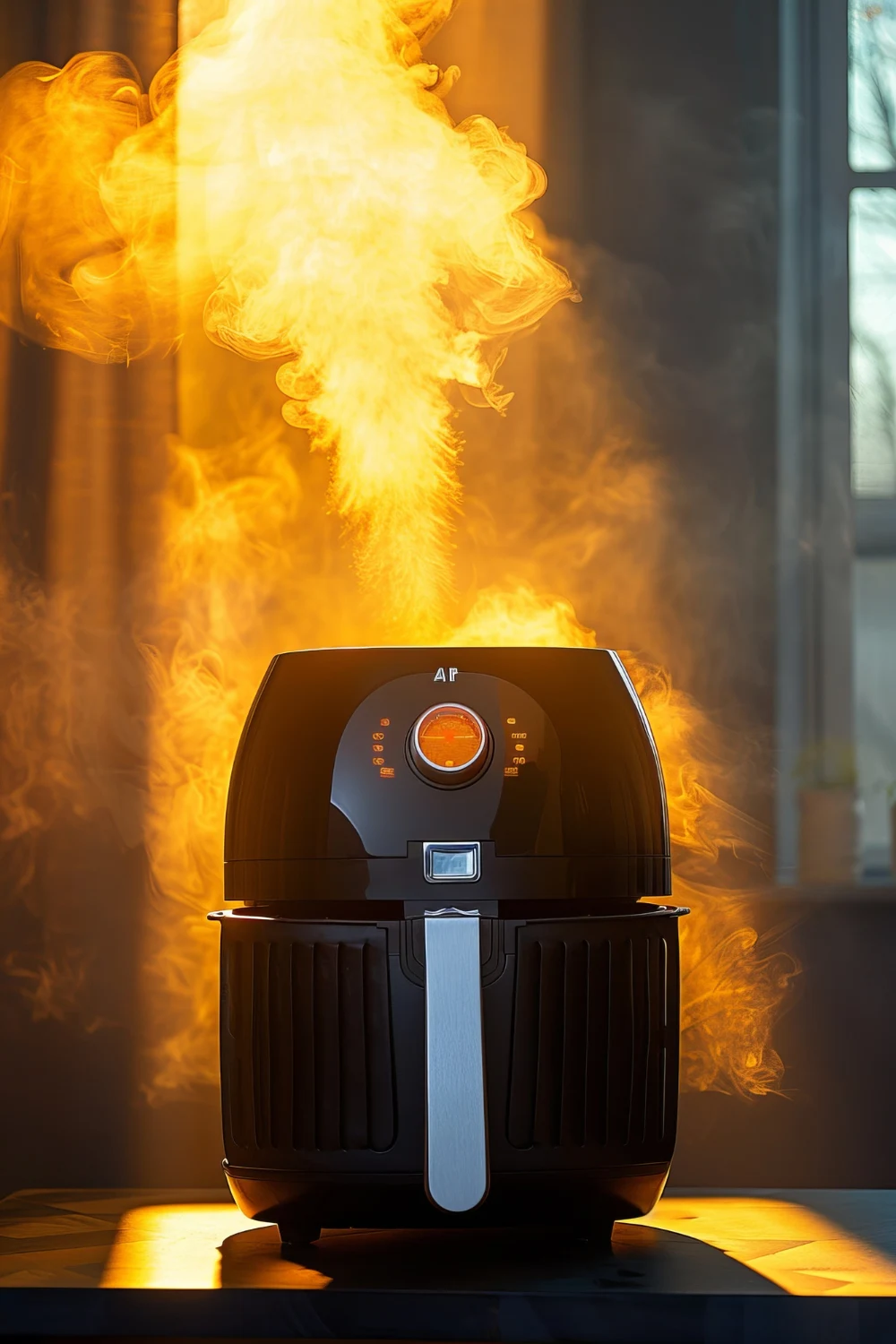
While the benefits are plentiful, understanding ultrasonic humidifier dangers is essential for safe home use. The most prominent issue users face is the accumulation of “white dust.” Because these machines do not boil water, any minerals present in your tap water are pulverized and released into the air.
Is an ultrasonic humidifier safe if you use tap water? Generally, yes, but the resulting mineral dust can irritate those with severe asthma or allergies. The best way to mitigate this risk is by strictly using distilled or demineralized water in your tank.
Another critical concern is bacterial growth. What is the disadvantage of an ultrasonic humidifier? It has no internal heating element to naturally kill off waterborne microbes. If you allow stagnant water to sit in the tank, mold and bacteria will rapidly multiply.
When you turn the machine back on, these harmful microbes are propelled directly into your breathing zone. To maintain safety, you must adhere strictly to a daily and weekly cleaning schedule. Additionally, always monitor your room to ensure humidity stays within the safe 40% to 60% range to prevent mold damage to your walls.
Evaporative vs Ultrasonic Humidifier
Choosing the right device often comes down to the evaporative vs. ultrasonic humidifier debate. Evaporative models operate by blowing air through a moistened wick filter. They are naturally self-regulating and will not over-humidify a room.
However, when deciding which is better, an evaporative or ultrasonic humidifier, you must consider noise and ongoing costs. Evaporative units require constant filter replacements and feature loud fans. Ultrasonic units are filter-free and whisper-quiet, making them far more cost-effective over time.
What is the difference between a humidifier and an ultrasonic humidifier in terms of output? A standard evaporative humidifier outputs invisible moisture, while an ultrasonic model emits a highly visible, thick fog.
Feature Comparison
| Feature | Ultrasonic Humidifier | Evaporative Humidifier |
| Noise Level | Silent | Moderate to Loud |
| Energy Use | Low | Medium |
| Maintenance | High (Strict Cleaning) | Medium (Filter Changes) |
| Mist Type | Visible Cool Mist | Invisible Cool Moisture |
How to Use an Ultrasonic Humidifier Properly
Learning how to use the ultrasonic humidifier properly ensures you maximize its lifespan and efficiency. Never place the unit directly on the floor or on unsealed wooden furniture. The descending mist can accumulate and cause unwanted dampness or warping.
If you want to know how to use an ultrasonic humidifier correctly, always place it on a water-resistant elevated surface, like a nightstand. Ensure the nozzle is pointed toward the center of the room, away from walls and electronics.
For an ultrasonic cool mist humidifier how-to-use guide, the first step is always filling the tank with pure, distilled water. Secure the cap tightly, place the tank on the base, and select a medium mist setting to start. Monitor the room’s humidity using a digital hygrometer.
When considering how to use an ultrasonic aroma humidifier, proceed with extreme caution. Never put essential oils directly into the main water tank, as this will melt the plastic and destroy the transducer. Only apply oils to the specific, designated aroma pad tray if your model includes one.
How to Clean an Ultrasonic Humidifier
Consistent hygiene is the most critical aspect of owning this appliance. Knowing exactly how to clean ultrasonic humidifier components protects your family from aerosolized bacteria. Neglecting this chore can turn a helpful health device into a respiratory hazard.
For a daily routine on how to clean an ultrasonic humidifier, simply empty all remaining water from the tank and base every morning. Rinse the tank with fresh water and wipe the base dry with a clean microfiber cloth. Leave the cap off so the interior can air dry completely during the day.
Once a week, you must perform a deep descaling process using plain white vinegar. Fill the base with vinegar and let it sit for thirty minutes to break down hard mineral deposits. Use a soft-bristled brush to gently scrub the delicate piezoelectric transducer.
To disinfect the tank and prevent mold buildup, you can use a highly diluted bleach solution (one teaspoon of bleach per gallon of water). Let the bleach solution sit in the tank for twenty minutes, then rinse it out thoroughly. Never mix bleach and vinegar together, as it creates toxic fumes.
Best Ultrasonic Humidifiers (Top Picks 2026)
Finding the best ultrasonic humidifier requires looking past the marketing jargon and focusing on performance, ease of use, and smart integration. We research and test various gadgets to write in the article, ensuring our recommendations fit a variety of lifestyles and budgets. Based on rigorous lab evaluations and long-term home testing, here are the top performers for 2026.
Premium Smart Integration
The Levoit LV600S smart hybrid ultrasonic humidifier remains the undisputed champion for overall performance. This unit offers both warm and cool mist functions, making it a versatile year-round companion. Its integration with the VeSync app allows you to set target humidity levels, create schedules, and monitor your air quality from your smartphone.
If you do not need the warm mist function, the Levoit Classic 300S Smart Ultrasonic Humidifier is a phenomenal alternative. It features a highly convenient top-fill design that prevents messy spills during refills. For those who need maximum output without the app connectivity, the Levoit LV600HH hybrid ultrasonic humidifier provides massive tank capacity and raw misting power.
Advanced Hygiene and Comfort
When it comes to sanitation, a Homedics ultrasonic humidifier is often top of its class. The Homedics total comfort ultrasonic humidifier series frequently incorporates built-in UV-C technology. This internal light neutralizes up to 99.9% of bacteria in the water before it is ever turned into mist, providing immense peace of mind for parents.
For a more aesthetic touch, the Homedics fireside ultrasonic humidifier offers a unique design. It uses specialized LED lighting to make the cool mist resemble a warm, flickering fireplace flame. This creates a cozy, relaxing ambiance while simultaneously hydrating your living space.
Budget and Illness Recovery
If you want something simple and effective, the PureGuardian ultrasonic humidifier line is outstanding. Many PureGuardian ultrasonic humidifier models feature silver-ion technology embedded directly into the tank. This naturally resists the growth of mold and mildew, slightly reducing your weekly cleaning burden.
When fighting a severe winter cold, a Vicks ultrasonic humidifier is a staple in many households. These machines are specifically engineered to work alongside VapoPads, releasing soothing menthol aromas that instantly open up congested nasal passages.
Finally, for reliable, entry-level hydration, an Equate ultrasonic humidifier or a Bionaire ultrasonic humidifier provides excellent value. These straightforward models ditch the complicated smart features in favor of simple dial controls. They are perfect for small bedrooms, dorms, or offices where basic, dependable moisture is the only requirement.
Commercial Ultrasonic Humidifiers for Large Spaces
When residential models cannot handle the square footage, a commercial ultrasonic humidifier becomes necessary. These heavy-duty machines are engineered for massive output and continuous operation. They are commonly installed in large offices, manufacturing warehouses, and expansive indoor greenhouses.
Commercial humidifiers for large spaces often ditch the refillable water tank entirely. Instead, these commercial humidifiers are plumbed directly into the building’s main water supply. This allows them to run 24/7 without requiring manual intervention from staff.
Portable commercial humidifiers are also available for industries that need mobile moisture control, such as wine cellars or cigar aging rooms. When evaluating different types of commercial humidifiers, the primary concern is the misting capacity, usually measured in pints per day. Leading commercial humidifier manufacturers focus heavily on robust stainless steel components to prevent industrial wear and tear.
Ultrasonic Humidifier for Vegetables & Plants
Beyond human comfort, this technology is vital for agricultural preservation. An ultrasonic humidifier for vegetables is a common sight in modern grocery stores. It produces a fine, cool mist that keeps leafy greens crisp without soaking them in heavy, damaging water droplets.
This precise moisture control prevents rapid dehydration, extending the shelf life of expensive organic produce. The same principle applies to dedicated indoor gardening. Many rare tropical houseplants require ambient humidity levels above 60% to thrive and prevent brown, curling leaves.
Using a high-capacity unit inside a grow tent or greenhouse mimics a natural rainforest environment. Because the mist is entirely cool, there is absolutely no risk of thermal burns to delicate foliage or blooming flowers.
Types of Ultrasonic Humidifiers
Understanding the different variations on the market helps you make a targeted purchase. The standard cool mist ultrasonic humidifier is the most common and energy-efficient option available. It is the go-to choice for general room hydration and safe nursery use.
Hybrid models, as mentioned earlier, offer both cool and warm mist settings. They achieve the warm mist by passing the water over a small heating element right before it hits the ultrasonic transducer. This slightly raises energy consumption but provides soothing comfort during freezing weather.
For expansive living rooms or open-concept apartments, an ultrasonic humidifier with a 4 L (or larger) capacity tank is required. These high-capacity units can run for up to 40 hours on a single fill. Conversely, travel-sized, portable units are designed to fit in cup holders and run off USB power for personal desk use.
Frequently Asked Questions
What type of humidifier is the healthiest?
The healthiest option is an ultrasonic model filled strictly with distilled water and cleaned every single day. This specific combination ensures you receive clean, mineral-free moisture without the risk of aerosolized bacteria or mold spores entering your lungs.
Are ultrasonic humidifiers good for you?
Yes, they are excellent for relieving humidity and helping coughs and irritated sinuses during cold weather. Maintaining proper indoor humidity helps protect your respiratory system and can significantly improve your overall sleep quality.
What is the disadvantage of an ultrasonic humidifier?
The main disadvantage is the strict, required maintenance routine. If you fail to clean it regularly, it will project bacteria into the air. Furthermore, using hard tap water will cause the machine to cover your room in a fine, white mineral dust.
How often should you clean it?
You should empty the tank, rinse it, and let it air dry every single day. A thorough deep cleaning, which involves descaling the transducer with white vinegar to remove mineral buildup, must be performed at least once a week.
Can you use tap water?
While you technically can, it is highly discouraged by manufacturers and indoor air quality experts. Tap water contains dissolved minerals that the machine will turn into white dust, which can irritate your lungs and damage sensitive household electronics.
Conclusion
Combating the negative effects of dry indoor air does not have to be a noisy or expensive endeavor. By leveraging high-frequency sound waves, an ultrasonic humidifier provides rapid, silent relief for your skin and respiratory system. They are incredibly energy-efficient and, when used correctly, are perfectly safe for every member of your family.
However, embracing this technology means committing to responsible ownership. You must prioritize daily water changes, weekly vinegar cleanings, and the consistent use of distilled water to avoid mineral dust.
Whether you opt for a high-tech smart model for your living room or a simple, budget-friendly unit for a child’s bedroom, proper sizing is key. Assess your room’s square footage, choose a model with an appropriate tank capacity, and start enjoying the immediate benefits of perfectly balanced, hydrated air.