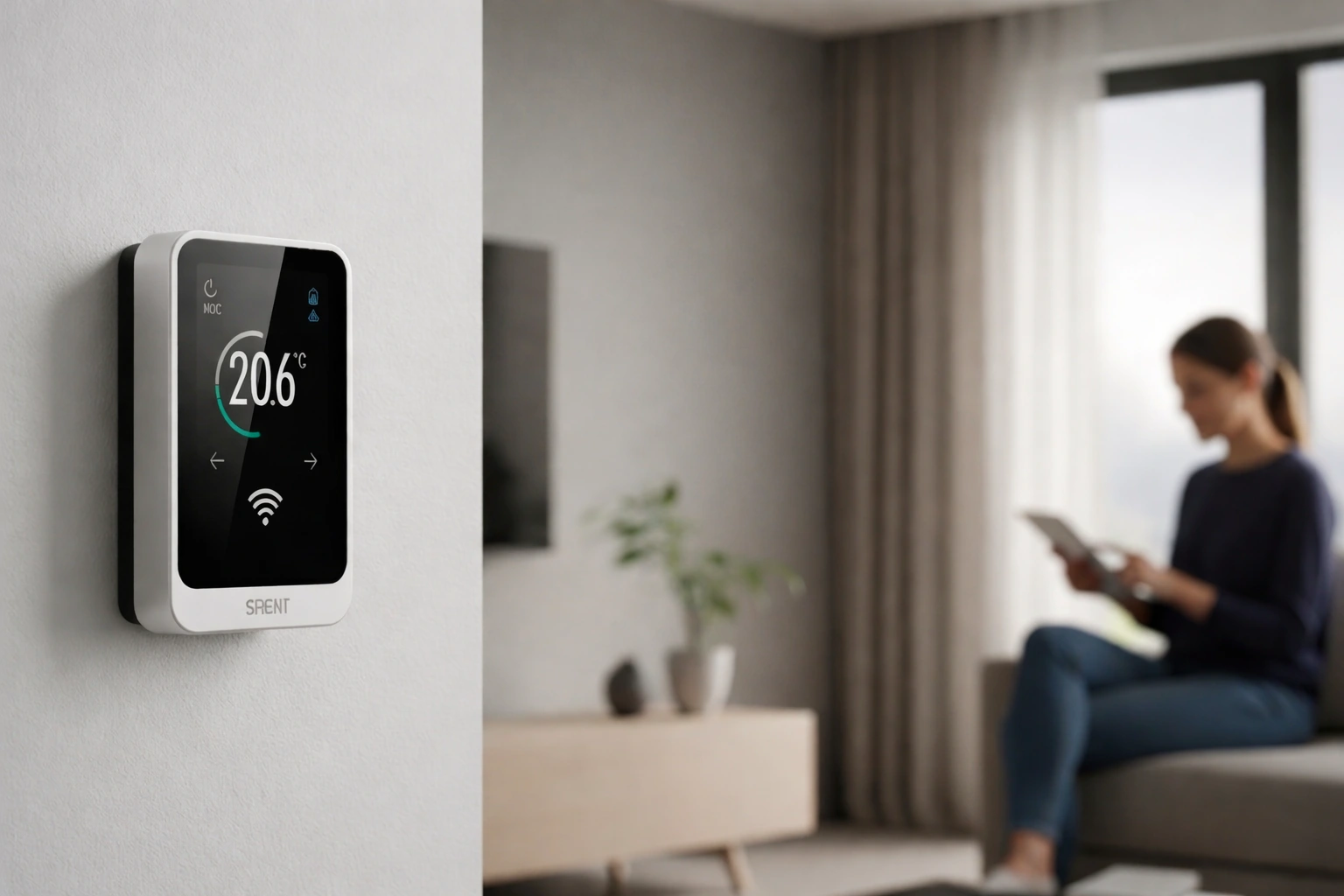
If you are tired of manually adjusting your home’s temperature or constantly stressing over rising energy bills, you are not alone. Millions of homeowners are upgrading their heating, ventilation, and air conditioning (HVAC) systems to modern technology. But with all the tech jargon out there, you might be wondering where to start.
A smart thermostat is a Wi-Fi-enabled device that automatically controls your home’s heating and cooling system based on your preferences, schedule, and real-time conditions. This singular upgrade can drastically transform how you manage your household climate. By replacing an outdated manual dial with an intelligent control center, you gain unprecedented command over your home’s energy consumption. In this comprehensive guide, we will break down everything you need to know about this revolutionary technology.
From understanding basic wiring to maximizing your monthly savings, this article covers it all. As a home climate control specialist who has guided countless homeowners through smart home integrations, I can assure you that this is one upgrade that genuinely pays for itself. Let’s dive deep into the world of intelligent climate control.
What Is a Smart Thermostat and How Does It Work?
To truly grasp the value of this technology, we must first answer the question: What is a smart thermostat, and how does it work? At its core, it is an advanced digital device that connects directly to your home’s central HVAC system. It acts as the brain of your heating and cooling operations, replacing traditional manual inputs with automated intelligence.
Unlike older models that only follow a rigid, pre-programmed schedule, these modern devices use a Wi-Fi connection for remote control and advanced data processing. They continuously learn your behavior, monitor your daily routines, and adjust settings to maximize both comfort and energy efficiency. Smart thermostats explained simply: they are intuitive devices that think for themselves.
They achieve this through a combination of built-in sensors, complex algorithms, and cloud-based computing. When you leave for work, the system knows to power down. When you are heading back, it pre-cools or pre-heats your living space. Here is a step-by-step breakdown of how the internal mechanics actually function in your home.
Temperature Detection
The process begins with highly sensitive built-in thermometers and humidity sensors. These components constantly monitor the ambient conditions in your home with pinpoint accuracy. Some advanced models even use external room sensors to ensure cold spots or stuffy rooms are balanced out perfectly.
Data Transmission
Once the current climate data is gathered, the device cross-references this information with your desired settings and schedule. It sends this data through its internal processor and, via your home Wi-Fi network, communicates with companion mobile applications. This allows you to see exactly what is happening in your home from anywhere in the world.
Climate Adjustment
If the current temperature deviates from your preferred settings, the smart device sends a low-voltage electrical signal to your HVAC system. It tells the furnace to ignite or the air conditioning compressor to engage. Because it operates precisely, it prevents the system from running longer than absolutely necessary.
Pattern Recognition
The most impressive feature is the long-term machine learning capability. Over the first few weeks of use, algorithms track when you wake up, leave the house, return, and go to sleep. It learns these patterns over time and eventually builds a custom, automated schedule that requires zero manual input from you.
What Does a Smart Thermostat Do?
Many people ask, “What does a smart thermostat do that a normal programmable one cannot?” The answer lies in connectivity and automation. While a basic programmable device allows you to set a fixed daily schedule, a smart device adapts dynamically to your ever-changing life.
One of the primary functions is remote control via a smartphone application. Whether you are lying in bed or vacationing on another continent, you can adjust your home’s climate with a simple tap. What is a smart thermostat used for if not ultimate convenience? You never have to worry about leaving the AC on all day by accident again.
Additionally, these devices excel at energy tracking and reporting. They compile detailed monthly reports showing exactly how many hours your heating or cooling system ran. This data empowers you to make informed decisions about your energy habits, highlighting areas where you can cut back and save money.
Voice assistant integration is another major function that modern homeowners love. By connecting your device to an ecosystem like Amazon Alexa, Google Assistant, or Apple Siri, you can adjust the temperature using simple voice commands. It is a seamless integration that makes managing your home environment entirely hands-free.
What Is the Purpose of a Smart Thermostat?
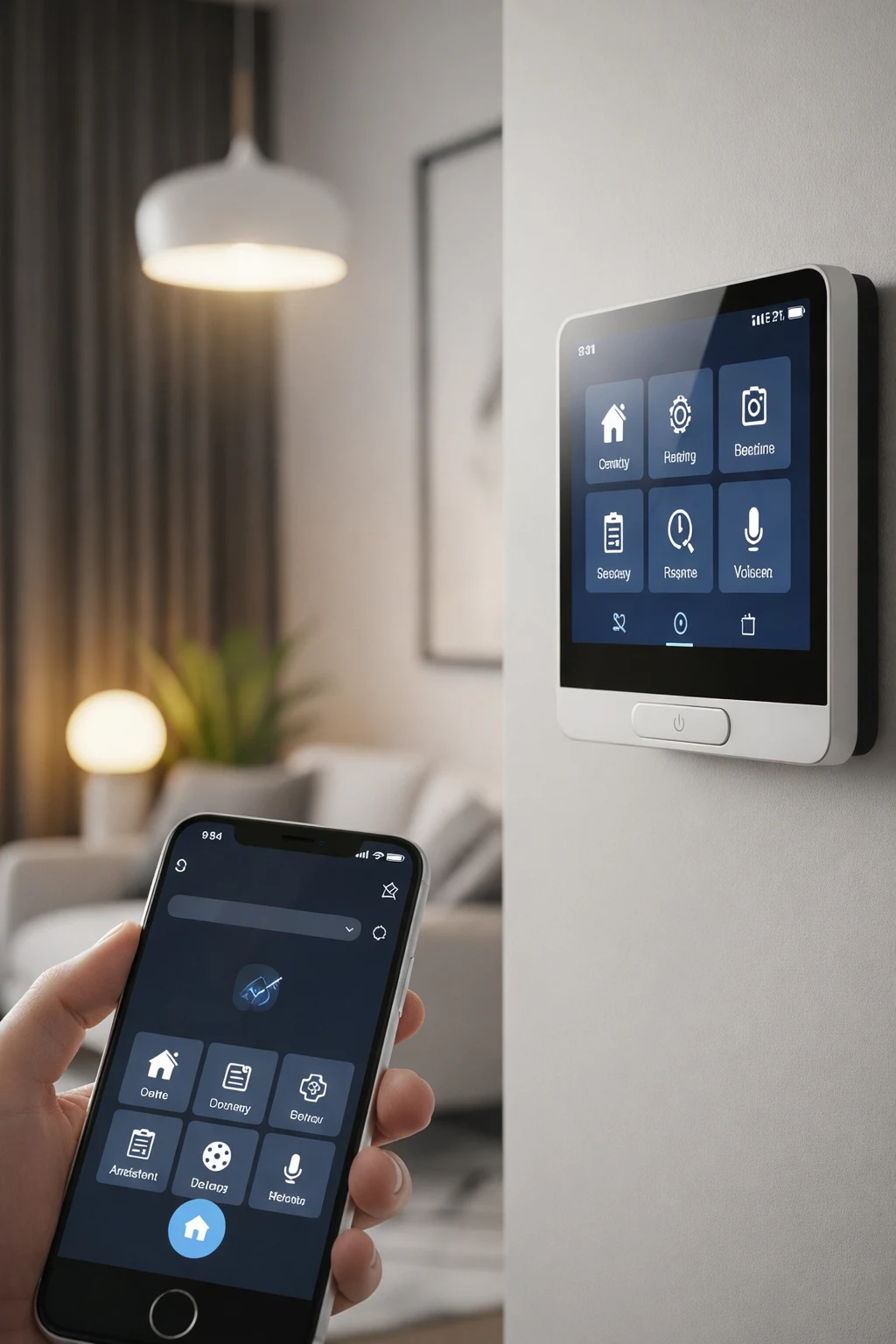
When evaluating home upgrades, understanding the core motivation behind the technology is crucial. What is the purpose of a smart thermostat? Ultimately, it serves three main objectives: comfort automation, superior energy efficiency, and significant cost reduction over time.
Comfort automation means your home is always at the perfect temperature when you need it to be, without you having to lift a finger. The system anticipates your arrival and adjusts the climate accordingly. What is the point of a smart thermostat if you are still constantly fiddling with dials? True automation eliminates the mental load of home management.
Energy efficiency is arguably the most vital purpose for eco-conscious homeowners. By utilizing features like geofencing (which tracks your phone’s location to know when you leave the house), the system ensures your HVAC is never wasting power on an empty home. This drastically reduces your carbon footprint and overall energy consumption.
Finally, the purpose is cost reduction. Heating and cooling account for nearly half of the average home’s utility bills. By shaving off unnecessary running hours, these intelligent devices keep more money in your pocket every single month.
What Is Considered a Smart Thermostat?
The market is flooded with various climate control gadgets, making it confusing to know what truly qualifies. What is considered a smart thermostat? To earn the “smart” title, a device must possess a specific set of advanced capabilities that go far beyond basic digital displays.
First and foremost is Wi-Fi connectivity. Without the ability to connect to your home network and the internet, the device cannot offer remote access or receive firmware updates. If a device only lets you program a 7-day schedule via buttons on the wall unit, it is merely “programmable,” not smart.
App control is another mandatory feature. A genuine smart model will have a dedicated mobile application available on iOS and Android platforms. This app acts as your remote control, settings dashboard, and energy reporting center.
Lastly, automation and learning abilities are the true hallmarks of this technology. The device must be able to react to real-time variables—such as local weather forecasts or your physical location—and adjust the climate without human intervention.
Smart Thermostat Examples
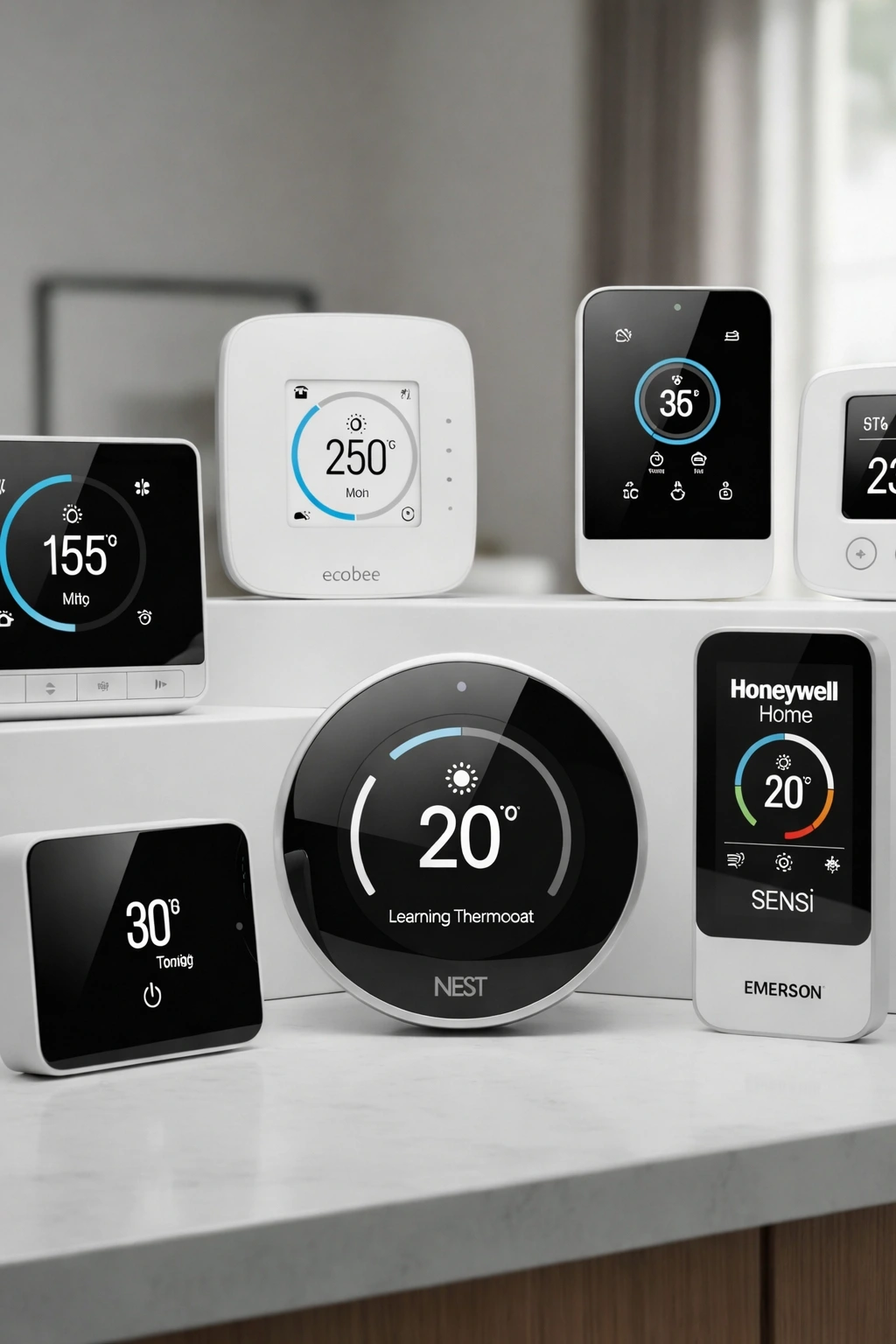
If you are ready to start shopping, familiarizing yourself with the industry leaders is essential. The market is dominated by a few key players who have perfected home climate technology. Let’s look at some prominent smart thermostat examples that consistently top expert recommendation lists.
Google Nest
When people ask, “What is a Nest smart thermostat?” they are referring to the pioneer of the industry. The Nest Learning Thermostat is famous for its sleek, circular design and incredibly intuitive learning algorithms. It quickly memorizes your temperature preferences and builds a highly efficient schedule completely automatically.
Ecobee
Ecobee is renowned for its use of remote room sensors. If your thermostat is in a warm hallway but your bedroom is freezing, Ecobee balances the climate based on the room you are actually occupying. It also features built-in voice assistants, making it a powerful hub for smart home devices.
Sensi
What is a Sensi smart thermostat? Manufactured by Emerson, Sensi devices are often praised by HVAC professionals for their traditional design and ease of installation. They offer all the smart features you need—like Wi-Fi control and geofencing—without requiring a complex C-wire installation in many homes.
Tado
If you are wondering what a Tado smart thermostat is, it is a highly popular brand, especially in European markets. Tado excels in multi-zone control and boiler integration. It focuses heavily on smart radiator valves, allowing users to control the exact temperature of individual rooms with incredible precision.
What Is a Smart Thermostat
Home heating systems vary drastically depending on where you live in the world. Understanding what a smart thermostat UK versus the US version comes down to infrastructure is key. In the United States, forced-air HVAC systems (central air and furnaces) are the standard, requiring specific low-voltage wiring.
In the UK, however, homes predominantly rely on central heating systems powered by combi boilers and hot water radiators. Because the heating source is fundamentally different, the smart devices designed for these markets must communicate differently. A US thermostat often controls complex multi-stage cooling, while a UK thermostat prioritizes boiler modulation.
Compatibility is the biggest hurdle when crossing markets. A device built for a 24V American HVAC system will not work natively with a 230V mains-powered British boiler setup without special adapters or specific regional models. Always purchase a device specifically manufactured for your country’s standard voltage and heating infrastructure.
What Is a C Wire for a Smart Thermostat?
One of the most common roadblocks homeowners face during installation involves a specific colored wire. What is a C wire for smart thermostat installations, and why does everyone talk about it? The “C” stands for common wire, and it is the lifeline of modern climate control devices.
Traditional thermostats were essentially simple on/off switches that ran on AA batteries or siphoned tiny amounts of power. However, modern smart devices feature bright, full-color touchscreens, active Wi-Fi chips, and continuous background processing. What is a C-wire on a smart thermostat? It is the dedicated wire that provides a constant, reliable flow of 24-volt power from your HVAC control board to the wall unit.
Without this constant power source, Wi-Fi chips would drain standard batteries in a matter of days. If you are asking what the C wire on a smart thermostat is, look for a wire (often blue or black) connected to the “C” terminal on your old baseplate.
If your older home does not have a C wire, do not panic. Many manufacturers sell “C-wire adapters” or power extender kits. These clever accessories can be installed at your furnace control board to add a continuous power line using your existing thermostat wiring.
Smart Thermostat Wiring Explained
Tackling electrical wires can be intimidating, but what is a smart thermostat wiring setup in reality? It is actually a straightforward low-voltage system that most DIY enthusiasts can handle safely. Most homes use a standard 4-wire or 5-wire bundle that runs from the furnace up through the walls.
Basic Wiring Types
A standard system usually includes a red wire (power/Rc/Rh), a white wire (heating/W), a yellow wire (cooling/Y), a green wire (fan/G), and ideally, the blue/black wire (common/C). Each wire acts as a dedicated messenger, sending electrical signals to engage specific parts of your HVAC equipment.
Installation Steps
The first and most critical step is turning off the power to your HVAC system at the main breaker box. Once safe, remove the old thermostat faceplate and take a clear photograph of the existing wiring connections. This photo will serve as your vital cheat sheet when plugging the wires into the new smart baseplate.
Compatibility Issues
Sometimes, you may uncover thick, braided wires with wire nuts instead of thin, colored strands. This usually indicates a high-voltage (line voltage) system, common with electric baseboard heaters. Standard smart thermostats will fry if connected to high voltage, so you must seek out specific line-voltage smart devices like those from the brand Mysa.
What Is the Difference Between a Regular Thermostat and a Smart Thermostat?
To fully appreciate the upgrade, we must compare the old with the new. What is the difference between a regular thermostat and a smart thermostat? The distinction lies entirely in connectivity, automation, and user engagement.
| Feature | Regular Thermostat | Smart Thermostat |
| Control Mechanism | Manual dials or basic keypad | App control, Voice, and AI automation |
| Learning Ability | ❌ None | ✔ Adapts to your daily routines automatically |
| Energy Saving Potential | Low (relies entirely on user memory) | High (actively hunts for efficiency opportunities) |
| Remote Access | ❌ No | ✔ Yes, from anywhere via Wi-Fi |
| Maintenance Alerts | ❌ No | ✔ Notifies you to change filters or fix HVAC issues |
A regular thermostat is reactionary; it only does exactly what you tell it to do in that exact moment. If you set it to 72 degrees and leave for a two-week vacation, it will stubbornly hold that temperature, wasting massive amounts of energy.
A smart thermostat is proactive. The difference between regular and smart thermostat technology is that the smart device would notice you left the geographic area. It would automatically shift into an “Eco Mode,” protecting your home from extreme temperatures while pausing unnecessary heating or cooling cycles until you return.
Benefits of a Smart Thermostat
Upgrading your home’s climate control center offers a multitude of advantages that improve daily life. The benefits of a smart thermostat extend far beyond simply having a cool gadget on your wall. They actively improve your home’s functionality and your family’s comfort.
Lowering monthly utility bills is consistently the most celebrated advantage. By optimizing when and how your HVAC system runs, these devices eliminate energy waste. Does a smart thermostat save money? Absolutely. Most manufacturers estimate that users recoup the cost of the device through energy savings within the first one to two years of use.
Automation and remote control are massive lifestyle benefits. Imagine waking up to a warm house in the winter without having to leave your bed to adjust the dial. Why are smart thermostats better? Because they grant you total control over your home’s climate from the palm of your hand, whether you are on the couch or at the office.
Finally, they offer incredible eco-friendly benefits. By reducing unnecessary energy consumption, you are directly lowering your household’s carbon footprint. According to various energy-saving studies, widespread adoption of smart climate control could drastically reduce strain on local power grids during peak summer months.
How Do Smart Thermostats Save Energy?
You know they lower bills, but exactly how do smart thermostats save energy on a technical level? It is not magic; it is a combination of strategic data usage and precise HVAC manipulation. The primary method is through automated learning schedules.
By memorizing your routine, the device stops cooling or heating empty rooms. If it knows you work from 9 AM to 5 PM, it lets the house naturally warm up or cool down during those hours. It then kicks the system back on at 4:30 PM so the house is perfectly comfortable the moment you walk through the door.
Geofencing is another powerful energy-saving tool. By linking the thermostat app to your smartphone’s GPS, the system creates a virtual perimeter around your home. When you cross that boundary, it instantly knows you have left and switches to energy-saving settings immediately.
Lastly, features like “Eco Mode” help users make better choices. Many devices display a small green leaf icon when you select a temperature that maximizes energy efficiency. This gentle psychological nudge encourages homeowners to adopt more sustainable climate habits over time.
Smart Thermostat Pros and Cons
Like any piece of home technology, making the switch requires weighing both sides of the coin. Understanding the smart thermostat’s pros and cons ensures you make an informed purchasing decision. Let’s start with the positives that drive their massive popularity.
The pros are heavily weighted toward convenience and financial savings. You get a sleek, modern interface, deep integration with smart home ecosystems (like smart lighting and security cameras), and comprehensive energy usage reports. Furthermore, you gain peace of mind with maintenance alerts that warn you if your furnace suddenly breaks down in winter.
However, we must also acknowledge the disadvantages of smart thermostat ownership. The cons primarily revolve around initial cost and setup complexity. These devices are significantly more expensive than traditional models upfront. Additionally, if your home lacks a C-wire or has a complex multi-zone HVAC setup, installation may require hiring a professional electrician.
Compatibility can also be a minor con. While rare, some older or highly proprietary HVAC systems simply cannot communicate with standard third-party smart thermostats. It requires diligent research before purchasing to ensure the device will actually work with your specific furnace and AC unit.
What Are the Downsides of Smart Thermostats?
To provide a truly unbiased ultimate guide, we must dig deeper into the potential negatives. What are the downsides of smart thermostats that salespeople might gloss over? Privacy concerns are at the forefront for many modern consumers.
Because these devices track your daily routines, movement patterns, and geographical location, they collect a significant amount of personal data. While reputable companies like Google and Ecobee have strict security protocols, any device connected to the internet carries a baseline risk of data vulnerabilities.
Wi-Fi dependency is another functional downside. While the thermostat will continue to execute its basic downloaded schedule if your internet goes down, you will immediately lose all remote control and app capabilities. It temporarily reverts to functioning just like a regular, old-fashioned thermostat.
Finally, the initial cost barrier remains a downside. Dropping $200 on a thermostat, plus potential installation fees, can be hard to swallow. While the long-term savings are proven, the upfront investment requires budget planning that a $20 basic digital thermostat does not.
Are Smart Thermostats Worth It?
After evaluating the costs, features, and potential installation hurdles, the ultimate question remains. Are smart thermostats worth it in 2026? Yes, for most homeowners — especially for long-term savings. The return on investment is incredibly strong compared to other smart home gadgets.
Unlike smart bulbs or voice speakers that mostly offer novelty and convenience, a climate control system actively pays you back. Is it worth switching to a smart thermostat if you plan to stay in your home for at least a year? Absolutely. The energy savings alone will cover the purchase price, effectively making the device free over time.
Furthermore, they increase the overall value and appeal of your property. Modern homebuyers expect smart home integrations, and an upgraded climate system is a fantastic selling point. It signals to buyers that the home is modern, energy-efficient, and well-maintained.
The only scenario where they might not be worth it is if you are renting a temporary apartment where you pay a flat rate for utilities. In that case, you do not reap the financial rewards of energy savings, making the upfront cost less justifiable.
What Is a Good Smart Thermostat?
With dozens of options lining the shelves, narrowing down the choices can feel overwhelming. What is a good smart thermostat for your specific living situation? Finding the perfect fit requires evaluating three core buying factors: compatibility, features, and budget.
First, always check compatibility. Use the online compatibility checkers provided by brands like Nest or Ecobee before buying. You will input your current wiring configuration, and the site will tell you exactly which models work with your home. A good device is, first and foremost, one that actually powers on in your house.
Next, consider the features you actually need. Do you live in a multi-story home with wildly varying temperatures? The best smart thermostat for you will be one that supports remote room sensors to balance the climate. Do you want voice control? Ensure it aligns with your preferred assistant, like Alexa or Siri.
Finally, factor in the user interface. A good model should have an intuitive app that isn’t confusing to navigate. Read user reviews specifically regarding the mobile application, as you will interact with the app far more often than the physical wall unit itself.
Smart Thermostat Price Guide
Budget plays a massive role in any home improvement project. Fortunately, the technology has matured enough that there are options available at almost every price point. Here is a comprehensive smart thermostat price breakdown to help you budget.
Budget Tier ($50–$100): You do not need to spend a fortune to get connected. Devices in this tier, like the basic Wyze Thermostat or older generations of Sensi, offer essential Wi-Fi connectivity and app control. They might lack fancy color screens or advanced learning AI, but they provide the core remote access features reliably.
Mid-range Tier ($100–$200): This is the sweet spot for most homeowners. Here you will find highly capable devices like the standard Google Nest Thermostat and the Ecobee3 Lite. They feature sleek designs, excellent energy reporting, and robust smart home integrations.
Premium Tier ($200+): If you want the pinnacle of home automation, this is your category. Premium models like the Nest Learning Thermostat (with its stainless steel finishes and high-res screen) or the Ecobee Smart Thermostat Premium (which includes a built-in air quality monitor and voice speaker) dominate this space.
What Thermostat Is Compatible With Bryant?
Homeowners with specific, high-end HVAC brands often worry about third-party compatibility. A frequent question in the industry is, “What thermostat is compatible with Bryant systems?” Bryant manufactures incredibly robust heating and cooling equipment, some of which uses proprietary communication protocols.
The good news is that most standard Bryant systems are entirely compatible with popular smart brands. Most smart thermostats (Nest, Ecobee, and Sensi) work seamlessly with Bryant central air and furnaces, provided you have standard 24V wiring.
However, if you have a high-efficiency, multi-stage Bryant “Evolution” system, standard smart thermostats might strip away some of the advanced modulating features. In these specific cases, utilizing Bryant’s own proprietary smart controls might be necessary to maintain maximum system efficiency. Always consult with your HVAC technician if you own a top-tier communicating system.
Smart Thermostat for Smart Homes
We are moving past the era of standalone gadgets into the age of unified home automation. A smart home thermostat is not an island; it is a vital node in a much larger ecosystem. Integrating your climate control with other smart home devices creates a truly futuristic living experience.
If your home runs on Amazon Alexa, you can create routines where saying “Goodnight” turns off the smart lighting, locks the doors, and drops the temperature to a cool 68 degrees. It is seamless orchestration that improves your daily quality of life without requiring manual inputs.
For Google Home users, integration means your Nest devices communicate natively. Your Nest Protect smoke alarm can tell your Nest Thermostat to shut off the furnace fan if it detects smoke, preventing the spread of dangerous fumes.
Apple HomeKit users have excellent options as well, with brands like Ecobee offering deep integration. This allows you to control your home’s climate directly from the Control Center on your iPhone or via Siri commands on your Apple Watch. The synergy between devices is where true smart home value is unlocked.
Frequently Asked Questions
What is a smart thermostat?
It is an advanced, Wi-Fi-connected device that controls your home’s heating and cooling system. It allows for remote control via smartphone apps, learns your daily routines, and automates temperature adjustments to maximize comfort and reduce energy consumption.
What does a smart thermostat do?
It regulates your home’s climate automatically by tracking your location, learning your schedule, and monitoring local weather. Beyond setting temperatures, it provides detailed energy usage reports, sends maintenance reminders for your HVAC system, and integrates with voice assistants.
Does a smart thermostat save money?
Yes, they significantly reduce energy waste by ensuring your HVAC system only runs when necessary. Most users see a reduction in their heating and cooling bills by 10% to 15%, allowing the device to pay for itself in energy savings within the first few years.
What is a C wire?
The “C” or common wire is a specific low-voltage wire that provides continuous 24-volt power from your HVAC control board to the thermostat. It is crucial for smart models because features like Wi-Fi and bright touchscreens require a constant, reliable power source to function.
Are smart thermostats worth it?
For the vast majority of homeowners, yes. The combination of long-term financial savings, eco-friendly energy reduction, and the sheer convenience of automated, remote climate control makes the initial purchase price and installation effort highly worthwhile.
Final Verdict
The shift toward intelligent home climate control is not just a passing trend; it is the new standard for modern living. Smart thermostats equal a perfect marriage of convenience, automation, and measurable financial savings. By taking the guesswork out of heating and cooling, they allow you to live more comfortably while consuming less energy.
Whether you are seeking relief from high utility bills or simply want the luxury of warming up your living room from bed, these devices deliver on their promises. They are best suited for modern homes looking to integrate with other smart home devices, security cameras, and smart lighting systems.
As a professional in the home comfort industry, my final verdict is clear: upgrading is a worthwhile investment. The initial setup requires a small amount of effort, but the years of automated comfort and reduced energy costs make it one of the smartest upgrades you can make for your home today.
References:
- ENERGY STAR: Smart Thermostats Overview & Savings
- CNET: Regular vs. Smart Thermostats (Complete Guide)
- Tom’s Guide: The Best Smart Thermostats to Control Your Home’s Temperature
- CNET: I Tested How Much Smart Thermostats Actually Save on Monthly Bills
- CNET: The Best Smart Thermostats That Can Slash Your Energy Bills