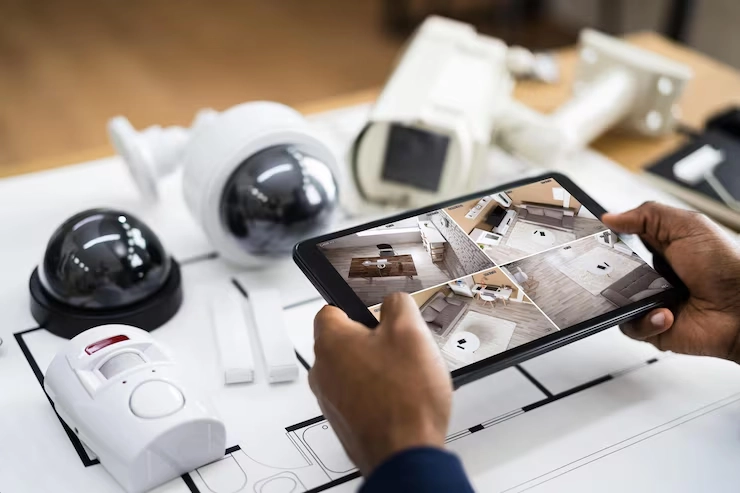
Every 30 seconds, a burglary occurs somewhere, making proactive home protection more critical than ever. Whether you live in a bustling urban apartment or a quiet suburban neighborhood, safeguarding your family and property is a top priority.
Home security devices are specialized tools designed to monitor, deter, and record unauthorized activity around your premises. Historically, these systems were bulky, expensive, and required professional installation and costly monthly contracts.
Today, the landscape has completely transformed for families and smart homes alike. The IoT (Internet of Things) revolution has brought these technologies directly to our smartphones, giving us unprecedented control and peace of mind.
In this comprehensive ultimate guide, we will walk you through the entire spectrum of home protection. From understanding the different types of devices to exploring the top brands of 2026, we have you covered.
By the end of this guide, you will have a clear blueprint for choosing, buying, and setting up the perfect security ecosystem. Let’s dive into how modern technology can turn your home into an impenetrable fortress.
What Are Home Security Devices?
At their core, home security devices are electronic tools specifically engineered to detect and deter unauthorized entry or hazards. Their primary purpose is twofold: continuous monitoring of your property and active prevention of potential threats.
When people search for a comprehensive home security devices list, they are looking for the modern tools that replace outdated locks and basic alarms. These devices act as a digital neighborhood watch, constantly scanning for anomalies whether you are asleep upstairs or vacationing across the globe.
Understanding the types of home security devices begins with recognizing their distinct categories. The first category is surveillance, which relies on visual confirmation through cameras to keep a watchful eye over your property.
The second category is access control, encompassing tools like smart locks that dictate who can physically enter your home. Finally, intrusion detection involves an array of specialized sensors that trigger immediate alerts if a perimeter is breached.
How Many Types of Home Security Devices Are There?
To build a robust defense system, you must understand exactly how many types of home security devices there are. The market has diversified rapidly, meaning there is no longer a one-size-fits-all solution for property protection. The types of home security devices can be broadly categorized into five main pillars: surveillance, access control, intrusion detection, alarms, and environmental sensors.
Surveillance Devices
Visual monitoring forms the backbone of any modern home security product list. Security cameras are divided into indoor and outdoor models, each serving distinct functions. Indoor cameras act as nanny cams or pet monitors, while outdoor cameras focus on perimeter defense. Modern 2026 cameras feature 4K resolution, color night vision, and AI-driven tracking that distinguishes between a stray dog and a human intruder. Video doorbells also fall into this category, acting as the frontline defense for your main entryway.
Access Control Mechanisms
Access control has evolved far beyond the traditional deadbolt and metal key. Smart locks allow you to lock or unlock your doors remotely via an app, granting temporary access to dog walkers or delivery drivers. Digital keypads provide keyless entry using customized PIN codes. Biometric scanners, which read fingerprints, are also becoming a standard feature on high-end smart locks, ensuring that only authorized individuals can gain entry.
Intrusion Detection Sensors
These are the invisible tripwires of your security ecosystem. Motion sensors use infrared technology to detect human movement inside a room when the system is armed. Door and window sensors operate using simple magnetic contacts; when the door opens, and the magnet separates, the system is triggered. Glass break sensors listen specifically for the acoustic frequency of shattering glass, providing an extra layer of defense against forced entry.
Active Alarm Systems
Detection is only useful if it leads to an immediate response. Alarm systems utilize high-decibel sirens—often exceeding 100dB—designed to panic intruders and alert neighbors. These are linked to monitoring systems that automatically dispatch emergency services or send instant push notifications to your smartphone.
Environmental and Hazard Sensors
Security isn’t just about stopping burglars; it’s about preventing disasters. Modern systems include integrated environmental sensors that monitor your home’s safety. Smoke and carbon monoxide detectors trigger sirens and app alerts if air quality drops. Flood and freeze detectors, typically placed near water heaters or under sinks, alert you to catastrophic leaks before they cause thousands of dollars in water damage.
Smart Home Security Devices
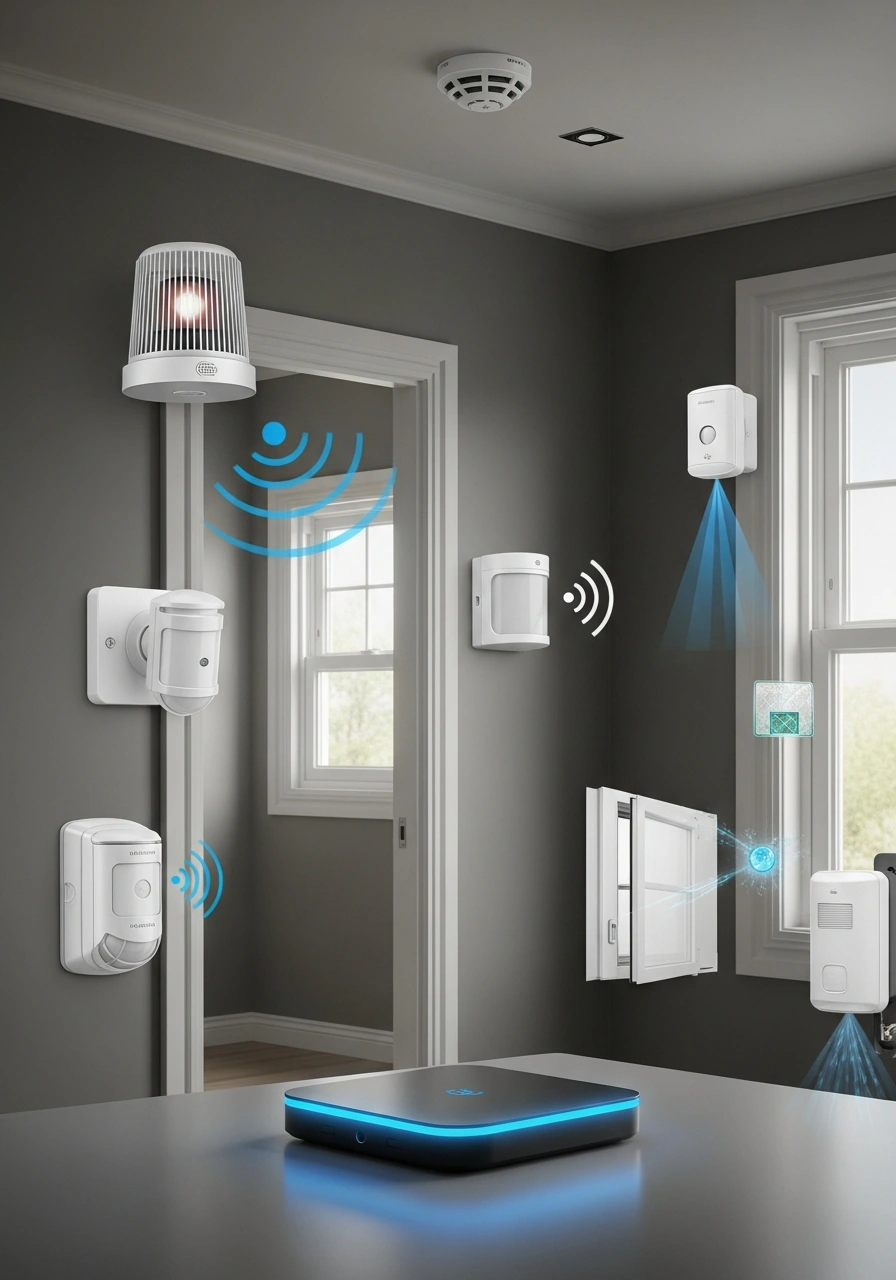
The integration of the Internet of Things has completely redefined what smart home security devices are. IoT home security devices connect directly to your home network, allowing them to communicate with each other and your smartphone.
This connectivity enables remote monitoring from anywhere in the world with an internet connection. Furthermore, it allows for complex automation, such as your smart lights turning on automatically if an outdoor camera detects motion.
When examining how IoT devices enhance home security, USA trends show a massive shift toward proactive deterrence. Instead of just recording a break-in, these smart systems actively try to stop it by flashing lights and playing automated warning messages.
A major debate in the IoT space is the choice between cloud and local systems. Cloud systems offer easy access but require subscriptions, while local systems store data on a hard drive (NVR), offering better privacy and zero monthly fees.
Must-Have Home Security Devices
Building a layered defense doesn’t mean you need to buy every gadget on the market. However, certain must-have home security devices form the non-negotiable foundation of a safe home.
High-definition security cameras are essential for both deterrence and evidence collection. Pair these with door/window sensors on all easily accessible ground-floor entry points.
A heavy-duty smart lock on your front door prevents lock-picking and allows you to monitor exactly who comes and goes. Active alarm systems with loud sirens remain one of the most effective psychological deterrents against opportunistic thieves.
Finally, video doorbells are arguably the most popular item on any home security devices & gadgets list. They prevent package theft and allow you to safely communicate with strangers without opening your door.
Home Security Devices for Doors and Windows
The vast majority of break-ins occur through primary entryways, making home security devices for doors a top priority. Door sensors are affordable, highly reliable tools that instantly notify you if a door is cracked open.
Upgrading to smart locks ensures that you never accidentally leave your front door unlocked, as most feature auto-locking capabilities. For vulnerable glass, home security devices for doors and windows include vibration sensors that trigger an alarm before the glass even breaks.
Physical reinforcement tools are equally important in this category. Consider installing solid core doors, reinforced strike plates, and specialized window film that prevents glass from shattering inward.
Wireless Home Security Devices
The surge in popularity of wireless home security devices comes down to unparalleled convenience and ease of use. Traditional hardwired systems required drilling into walls, running cables through attics, and hiring expensive electricians.
Wireless systems operate on Wi-Fi, Zigbee, or Matter protocols and use long-lasting rechargeable batteries or solar panels. The main benefit is an incredibly easy DIY installation that can be completed in a single afternoon without special tools.
Because there is no wiring, these systems are highly portable, making them perfect for renters who want to take their security with them when they move. Scalability is another massive advantage; adding a new camera or sensor to your network takes just a few taps on your smartphone.
Home Security Devices with Cameras
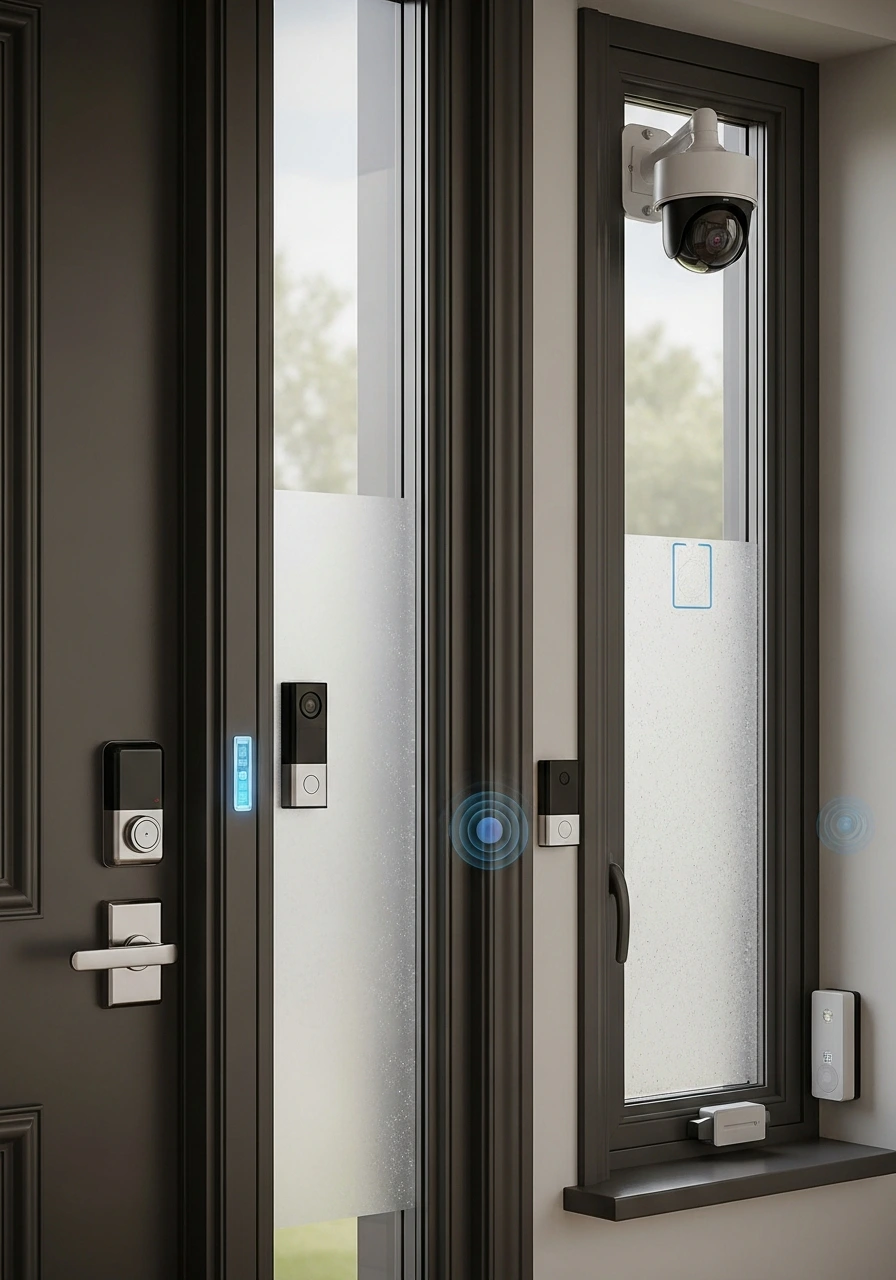
Visual verification is the ultimate tool in threat assessment. Home security devices with cameras are split between indoor models designed for privacy and rugged outdoor models built for extreme weather.
Modern 2026 iterations feature advanced full-color night vision, rendering the grainy, black-and-white infrared footage of the past obsolete. High-end models now boast 4K resolution, allowing you to digitally zoom in on license plates or faces without losing clarity.
Motion detection has also advanced through AI, heavily reducing false alarms caused by swaying trees or passing cars. You can choose between cloud storage for easy sharing or local MicroSD storage for heightened privacy and subscription-free operation.
Best Home Security Devices (Top Picks 2025–2026)
Based on rigorous testing and expert consensus in the security community, a few brands clearly dominate the market. When looking for the best home security devices, reliability, app experience, and hardware quality are paramount.
Ring remains a powerhouse for doorbell cameras and robust neighborhood integration. Google Nest offers incredible AI-driven smart alerts and integrates seamlessly into the broader Google Home ecosystem.
Arlo produces some of the most reliable home security devices, specifically known for their ultra-crisp 4K wire-free cameras. Eufy has rapidly become a favorite for producing leading smart home security devices in 2025 and 2026 that require no monthly subscription.
| Brand | Price Range | Key Features | Monthly Subscription | Best For |
| Ring | $50 – $250 | Great doorbells, neighborhood app | $4.99+ (Required for video) | Alexa Ecosystems |
| Google Nest | $100 – $280 | Superior AI detection, 24/7 recording | $8.00+ | Android Users |
| Arlo | $130 – $300 | 4K HDR, wire-free, spotlight | $7.99+ | Premium Outdoor Monitoring |
| Eufy | $40 – $250 | Local storage, dual-lens tech | None (Local Storage) | Budget & Privacy |
Expert Note: Security professionals emphasize that the best-rated home security devices are only as good as your home network stability. Ensure your Wi-Fi router can handle the bandwidth of multiple HD video streams.
Best Home Security System Without Subscription
For homeowners tired of recurring monthly fees, finding the best home security system without a subscription is entirely possible. Brands like Lorex and Eufy have engineered brilliant one-time purchase systems.
These setups rely on local storage options, such as an NVR (Network Video Recorder) or a centralized home base with built-in hard drives. Because the video never leaves your local network, these systems are inherently more secure against remote hacking.
The best security system without a monthly fee still provides instant push notifications to your phone when motion is detected. You get all the essential smart features, including two-way audio and live view, without being held hostage by a monthly cloud storage bill.
Best Home Security Devices for Families
When protecting a household with children, the best home security devices for families focus heavily on awareness and emergency response. Indoor cameras acting as baby monitors or checking in on teenagers after school provide immense peace of mind.
Look for systems that feature robust child safety options, such as contact sensors on medicine cabinets or pool gates. Emergency alerts should be loud and easily distinguishable, ensuring everyone knows exactly what to do if a smoke or intrusion alarm sounds.
Multi-user control is another critical feature for family systems. Parents should be able to grant app access to older children or babysitters while restricting their ability to delete footage or alter administrative settings.
Outdoor Home Security Devices
Your yard is your first line of defense, making outdoor home security devices crucial for proactive protection. Weatherproof cameras placed at entry points and blind spots act as severe deterrents to trespassers.
Motion lights are incredibly effective; flooding a dark driveway with a 2000-lumen LED spotlight usually sends thieves running. Advanced cameras now integrate these spotlights directly into the camera housing.
Perimeter alarms and invisible infrared tripwires can alert you if someone crosses your property line before they even reach your house. Combining these tools creates a heavily fortified exterior that makes your home an unappealing target.
Unique & Emerging Security Devices
As criminals adapt, so does the technology designed to stop them. Barking dog home security devices use radar to detect movement through walls and doors, triggering a realistic recording of a vicious dog to scare off intruders.
Smart deterrents now include automated sprinkler systems that can be programmed to spray trespassers caught lingering on your lawn. Drone-based security cameras are also entering the consumer market, automatically deploying from a base station to investigate triggered motion sensors.
AI-based systems are moving beyond simple motion detection into behavioral analysis. In 2026, some advanced cameras can recognize aggressive posturing or the presence of a weapon, instantly escalating the alert level.
Brand Ecosystems & Tech Integration
Apple Home Security Solutions
For those locked into the iOS world, Apple Home Security devices must support HomeKit Secure Video. The Apple Home Security devices’ 2025 and 2026 lineups leverage end-to-end encryption, ensuring not even Apple can view your iCloud-stored footage.
Google Smart Integrations
Google smart security devices lean heavily on the Nest ecosystem. Their deep integration with Google Assistant means you can stream your front door camera directly to your living room TV with a simple voice command.
Unconventional Security Integrations
Other tech giants are slowly entering the security space. Audio brands offer JBL home security devices that utilize smart speakers to listen for breaking glass or alarms. While PlayStation home security devices are currently an experimental concept, gaming consoles are increasingly serving as central hubs for smart home integrations.
Understanding the HP home security devices market position reveals a focus on secure enterprise networking rather than consumer cameras. Meanwhile, considering Eset home security, what devices can it protect? It involves digital security, safeguarding your IoT cameras and smart locks from devastating cyberattacks.
How to Control Home Security Devices with Your Phone
Learning how to use your phone to control home security devices is remarkably straightforward, regardless of your technical skill level. The first step is to install the manufacturer’s dedicated application from the App Store or Google Play.
Next, you will connect devices to your home Wi-Fi network by following the simple on-screen pairing instructions. It is absolutely crucial to enable notifications and grant the app permission to bypass your phone’s “Do Not Disturb” mode for critical alerts.
Once configured, you gain full remote access. You can view live camera feeds, lock doors, and arm or disarm your alarm system from your office desk or a beach halfway across the world.
Where Can I Buy Smart Home Security Devices?
Knowing where I can buy smart home security devices ensures I get genuine products with valid warranties. Amazon remains the most popular platform due to rapid shipping and extensive customer reviews that highlight real-world performance.
Big-box retailers like Best Buy offer the advantage of viewing the hardware in person before making a purchase. If you are specifically wondering where you can buy Ring smart home security devices, purchasing directly from the official Amazon or Ring web store guarantees the latest hardware revisions.
For commercial installers or large properties, platforms like Alibaba offer the ability to buy unbranded IP cameras in bulk. However, consumer-grade systems are best purchased through authorized domestic retailers to ensure proper customer support.
Pros and Cons – The Truth About Home Security Systems
The Advantages
The truth about home security systems is that their primary benefit is unquestionable safety and immense peace of mind. Knowing your family is protected allows you to sleep better and travel without constant worry. Additionally, most insurance companies offer significant discounts on premiums if you have a monitored system installed.
The Drawbacks
However, there are undeniable drawbacks, starting with the cost of premium hardware and ongoing monthly monitoring fees. Privacy concerns are highly valid, as poorly secured cloud cameras have been vulnerable to hacking in the past. Finally, false alarms triggered by pets or weather can be highly annoying and occasionally result in fines from local police departments.
Best Inexpensive Home Security Devices
Protecting your home does not require draining your savings account. The best inexpensive home security devices focus on maximum coverage for minimal cost.
Budget cameras from brands like Wyze or TP-Link Tapo offer excellent 1080p and 2K video quality for well under $40 a unit. These affordable options still include essential features like night vision, two-way audio, and custom motion zones.
DIY systems are inherently budget-friendly because you avoid exorbitant professional installation fees. You can start with a basic $20 contact sensor on your front door and slowly expand the system as your budget allows.
Professional vs DIY Home Security Systems
Choosing the best professional home security system (like ADT or Vivint) guarantees a white-glove experience. Technicians handle the complex wiring, map out blind spots, and set up the network for you. These systems always include 24/7 professional monitoring, ensuring emergency services are dispatched even if you miss the alert on your phone.
Conversely, DIY systems offer unmatched flexibility and cost savings. You dictate exactly where cameras go and can easily pack them up if you relocate. While you have the option to self-monitor via smartphone alerts, many DIY brands now offer optional, no-contract professional monitoring on a month-to-month basis.
Frequently Asked Questions
What is the best home security device?
The single best device to start with is a video doorbell. It monitors the most common entry point for burglars, prevents package theft, and provides two-way audio to communicate with visitors safely from behind a locked door.
What do police recommend for home security?
Law enforcement agencies strongly recommend a layered approach. This includes visible outdoor cameras to deter criminals, robust deadbolts to slow down forced entry, and motion-activated exterior lighting to eliminate hiding spots around your property.
What is the #1 home security system?
While “number one” is subjective based on user needs, systems like Ring, Google Nest, and SimpliSafe consistently rank at the top. They offer a perfect balance of reliable hardware, intuitive software, and scalable device options.
Is it the best-rated home security device?
Yes, investing in highly rated, established brands is crucial for digital security. Cheap, unbranded cameras often lack vital firmware updates, making them highly susceptible to network hacking and privacy breaches.
Conclusion
Securing your home in 2026 is no longer a luxury reserved for the wealthy; it is an accessible, vital necessity for everyone. The evolution of IoT technology has put the power of a professional monitoring station directly into the palm of your hand.
By understanding the different types of devices available, you can build a customized, layered security approach that fits your specific needs and budget. Remember that effective security relies on deterrence just as much as detection.
You do not need to purchase a massive bundle all at once to make your home safer. Start with a simple camera and sensor combo today, and take the first step toward true peace of mind.