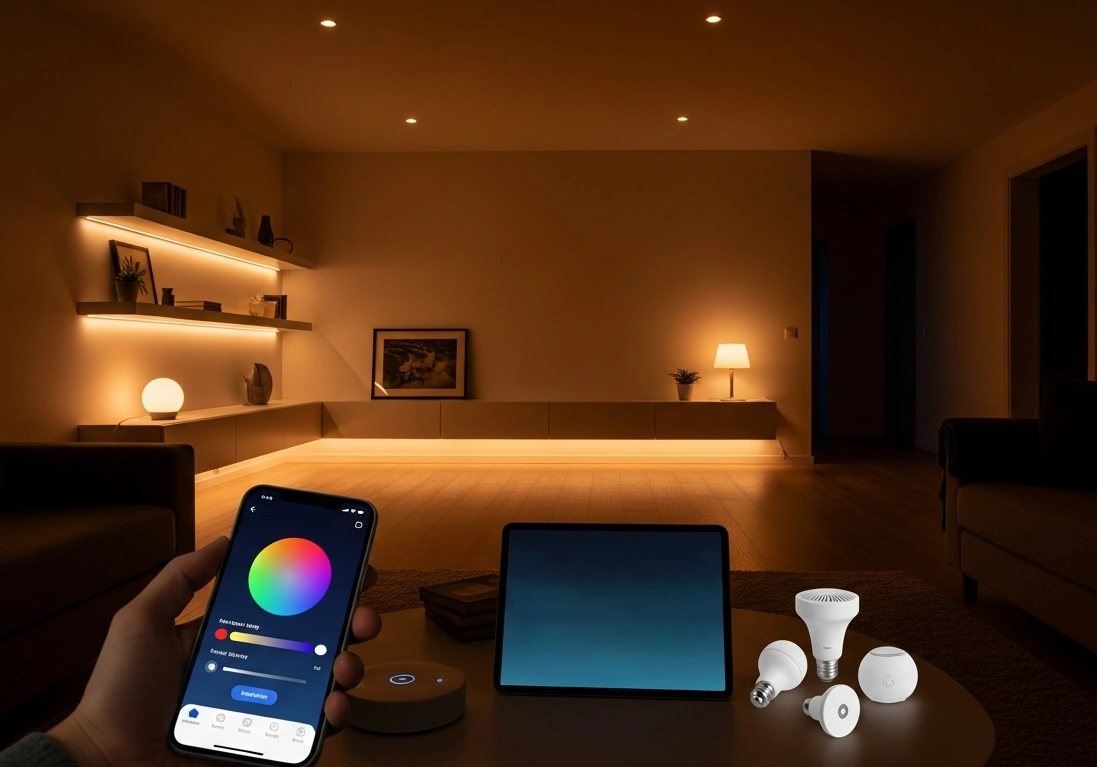
Tired of fumbling for switches in the dark? Imagine controlling your smart lights for the home with just your voice. Thankfully, those frustrating days are finally over.
These tools recently evolved past simple novelty gadgets. As a result, they serve as a core pillar of modern interior design. They completely shift how we live.
Today, lighting ecosystems smoothly link with voice assistants like Alexa. Consequently, you gain amazing control over energy use, room ambiance, and home security.
We will walk you through upgrading your living space. For example, we include a handy buyer’s guide and easy setup steps. We have you covered!
Do you want simple bulbs or wholesale lighting options? Ultimately, this guide is your blueprint to modern smart home automation. Let’s dive in!
What Are Smart Lights for the Home?
A smart lighting system is an advanced network of lighting fixtures and bulbs that can be controlled remotely. Unlike traditional bulbs that rely on a physical switch, these interconnected devices communicate wirelessly.
When people ask what smart lights for the home are, they are usually referring to customizable LED fixtures connected to the internet or a local network. These versatile devices come in various forms to suit different functional and aesthetic needs.
The most common iterations include LED smart lights for the home, wireless smart lights for the home, and decorative smart lamps. Each of these options offers a massive upgrade over traditional incandescent or basic LED bulbs.
The key features that set a smart lighting system apart include intuitive app control and hands-free voice control. They also offer robust automation and scheduling capabilities, alongside infinite color and brightness customization.
Having tested countless smart home setups over the years, the immediate impact of installing smart lamps is always striking. The ability to shift a room’s mood from a bright workspace to a dim, warm-toned theater in seconds fundamentally changes how you experience your home.
How Do Smart Lights Work?
Understanding how smart lights work requires a quick look at the underlying wireless connectivity protocols. The three main communication methods are Wi-Fi, Bluetooth, and Zigbee.
Wi-Fi bulbs connect directly to your home router, making them easy to set up without extra hardware. Bluetooth bulbs connect directly to your phone for localized control, though their range is somewhat limited compared to other options.
Zigbee and Z-Wave bulbs require a dedicated hub, but they form a highly reliable, low-latency mesh network throughout your home. The role of hubs—whether a proprietary bridge, an Amazon Echo for Alexa, or a Google Nest for Google Home—is crucial for managing this network.
Hubs act as the brain, translating your commands into signals the bulbs can understand. Advanced users often rely on Home Assistant to serve as a universal, brand-agnostic hub.
Control methods are typically split between cloud-based and local execution. Cloud control sends your app commands to a remote server before bouncing back to your wireless smart lights for home.
Local control, highly favored by privacy enthusiasts, processes the command entirely within your home network. The simple explanation flow goes like this: user input (via app or voice) triggers a signal transmission through the network, resulting in an immediate light response.
Types of Smart Lights for Home
Smart Bulbs Integration
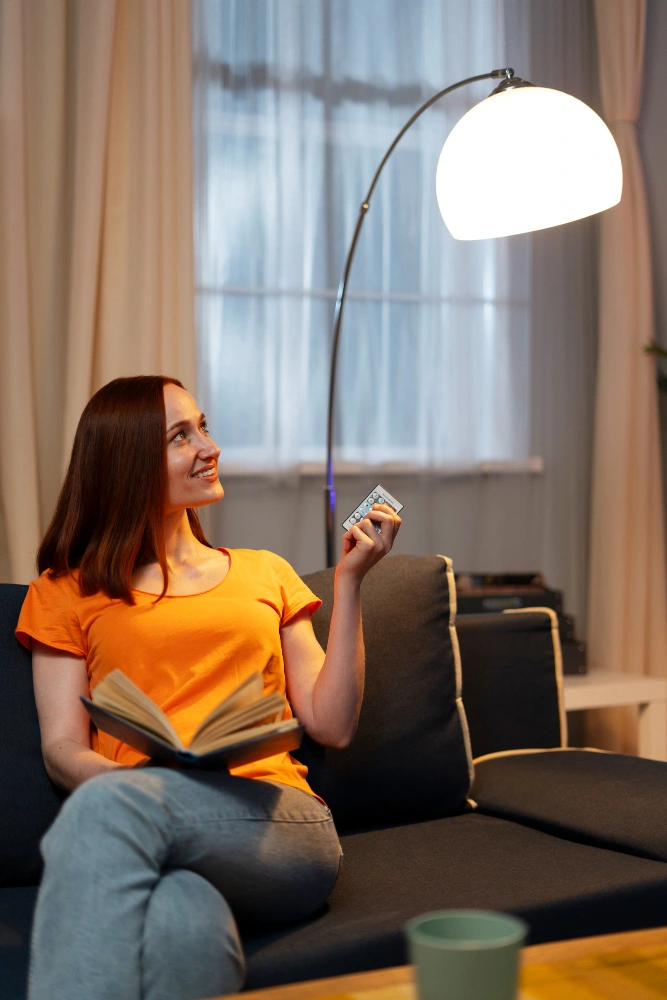
Smart bulbs are the ultimate plug-and-play entry point for anyone upgrading to LED smart lights for the home. They screw directly into your existing light fixtures, instantly transforming a standard lamp into an intelligent device.
These bulbs are incredibly budget-friendly, making it easy to test the waters of smart automation without a heavy investment. You can start with just one bulb in the living room and slowly expand the system across the house.
LED Strip Accents
Smart LED strip lights feature an adhesive backing, allowing them to be installed under cabinets, behind TVs, or along baseboards. They are ideal for gaming rooms, creating immersive bias lighting that reacts to on-screen action.
These flexible strips are also perfect for general ambiance, casting vibrant, indirect glows that elevate the aesthetic of any space. Modern strips often include independent control zones, displaying multiple colors simultaneously along a single strip.
Ceiling Fixture Solutions
For whole-room illumination, smart ceiling lights provide a massive upgrade over traditional flush mounts and chandeliers. These fixtures are hardwired into your home but offer the same app and voice control as standard smart bulbs.
They often feature broader diffused lighting, high lumen output, and sleek designs that blend into modern decor. Some advanced models even incorporate secondary ambient lighting directed upward to create a halo effect on the ceiling.
Exterior and Landscape Models
Smart lights for home and outdoor use are essential for bridging the gap between aesthetics and property security. These rugged, weather-resistant fixtures include pathway lights, floodlights, and porch bulbs designed to withstand the elements.
Automating your outdoor lighting to turn on at sunset ensures you never come home to a dark driveway. Furthermore, connecting them to motion sensors provides an excellent first line of defense against potential intruders.
Smart Lights Compatible with Voice Assistants
Alexa Integration
Finding smart lights for the home with Alexa is easier than ever, as Amazon’s ecosystem is incredibly widely supported. You can use simple voice commands like “Alexa, dim the living room to 20%” or “Alexa, turn on movie time.”
The best use cases involve creating comprehensive routines where a single phrase locks the doors, lowers the blinds, and adjusts the lighting simultaneously. Alexa’s robust scheduling makes it simple to integrate your lighting into your daily family life.
Google Ecosystem Connectivity
For users heavily invested in Android and Nest products, finding smart lights for Google Home is a top priority. When a product works with Google Home smart light ecosystems, it seamlessly integrates into the Google Home app for centralized control.
The best smart lights for Google Home allow for intuitive natural language processing. You can say, “Hey Google, make the kitchen lights warmer,” and the system instantly understands the request to lower the color temperature.
Home Assistant Platforms
Power users and privacy advocates often gravitate toward the best smart lights for home assistants. This open-source platform requires a bit more technical know-how but offers unparalleled, advanced automation capabilities.
The primary advantage here is local control, meaning your lights will continue to function flawlessly even if your internet goes down. Furthermore, Home Assistant keeps your data strictly within your own network, providing a massive privacy advantage over cloud-reliant systems.
Best Smart Lighting System for Home
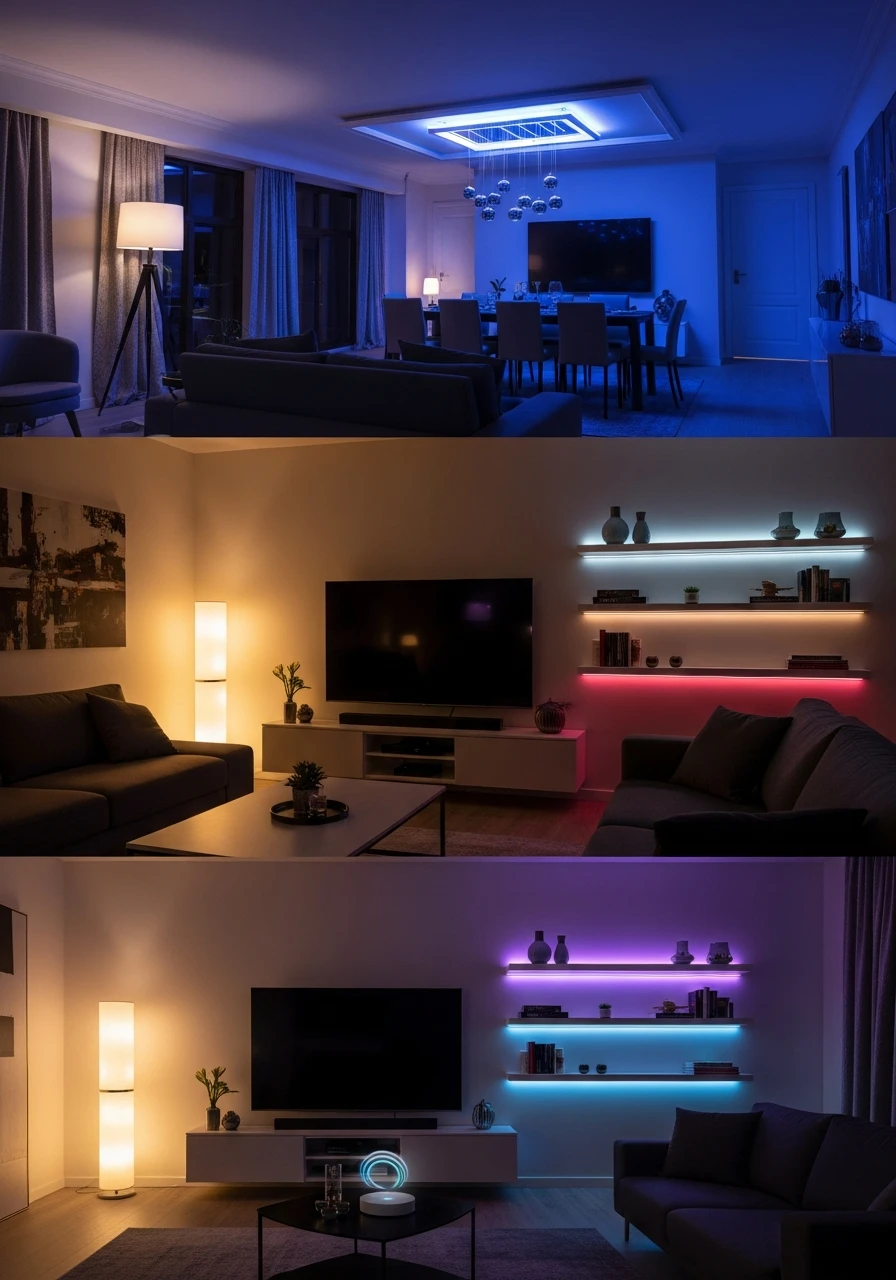
Choosing the best smart lighting system for your home depends heavily on your budget, existing ecosystem, and desired features. Through extensive hands-on testing of response times and color accuracy, several brands clearly lead the market in 2026. Whether you want premium reliability or a budget-friendly entry point, there is a perfect match.
Philips Hue (Premium): Widely considered the gold standard and the best smart home light system overall. Hue offers unmatched reliability, incredibly rich colors, and a massive variety of fixture types. However, it requires a Zigbee bridge and comes with a premium price tag.
Xiaomi Yeelight (Budget-friendly): An excellent choice for users wanting vibrant colors without breaking the bank. These Wi-Fi-based bulbs connect easily without a hub and offer impressive brightness levels. The app is intuitive, though integration with some advanced third-party sensors can be limited.
TP-Link Kasa: Known for rock-solid Wi-Fi connectivity and an exceptionally user-friendly app. Kasa devices are affordable, reliable, and do not require a separate hub for operation. They are fantastic for users looking to manage standard A19 bulbs and smart plugs.
LIFX: If raw brightness and punchy colors are your priority, LIFX bulbs are spectacular. They operate on Wi-Fi (no hub required) and deliver some of the most intense, accurate color representations on the market. The hardware is slightly bulkier, but the visual payoff is immense.
| Brand | Price Range | Compatibility | Key Features | Setup Difficulty |
| Philips Hue | Premium | Alexa, Google, Home Assistant, Apple Home | Zigbee mesh, extreme reliability | Medium (requires Hub) |
| LIFX | High | Alexa, Google, Home Assistant, Apple Home | Wi-Fi, vibrant colors, high lumens | Easy |
| TP-Link Kasa | Budget | Alexa, Google Home, Home Assistant | Wi-Fi, stable app, scheduling | Very Easy |
| Xiaomi Yeelight | Budget | Alexa, Google Home, Home Assistant | Wi-Fi, affordable ecosystem | Easy |
Smart Lighting Solutions for Different Needs
Home Ambiance
Creating the perfect home ambiance is one of the biggest draws of smart lighting solutions for the home. By adjusting color temperatures and brightness, you can make a large, cold room feel intimate and cozy. Using preset scenes, you can transition your dining area from a bright breakfast space to a moody dinner setting instantly.
Productivity & Workspaces
Proper lighting is scientifically proven to impact focus and energy levels. Setting your office lights to a crisp, cool white (around 5000K) simulates daylight and boosts alertness during working hours. As the workday ends, gradually shifting the lights to a warmer tone helps your brain naturally wind down.
Sleep Optimization
Smart lights can play a massive role in regulating your circadian rhythm for better rest. Automating your bedroom lights to slowly fade out over 30 minutes can simulate a sunset, preparing your body for sleep. In the morning, a gradual artificial sunrise routine wakes you up far more gently than a jarring alarm clock.
Security Lighting
A well-lit home is a secure home. Smart lighting allows you to set randomized vacation modes, making it appear as though someone is moving from room to room while you are away. Integrating these lights with outdoor cameras and motion sensors creates a highly effective, proactive security perimeter.
Smart Lights for Home by Region
India Market Landscape
The demand for smart lights for homes in India has exploded, driven by a growing middle class and increased smartphone penetration. Affordable brands like Wipro, Syska, and Realme dominate the local market by offering aggressive pricing. Voltage compatibility and resistance to frequent power fluctuations are crucial features for products sold in this region.
Singapore Urban Trends
In dense urban environments, smart lights for homes in Singapore are highly sought after to maximize space utility. Smart apartments are the standard, with residents utilizing integrated lighting to define separate zones in smaller living areas. High-end, aesthetically pleasing architectural lighting systems are particularly popular in this tech-forward city-state.
China Manufacturing Hub
When looking for smart lights for the home in China, you are tapping into the world’s primary manufacturing hub. Domestic consumers enjoy cutting-edge tech integration with platforms like Baidu and Xiaomi’s Mijia ecosystem. Additionally, China offers massive OEM/ODM options for international brands looking to white-label their own smart home products.
Smart Lights Wholesale & Suppliers
Sourcing smart lights for home wholesale can be a highly lucrative venture for e-commerce entrepreneurs and commercial installers. The vast majority of smart lighting hardware is manufactured in Shenzhen and surrounding tech hubs. Why source from China? The massive economies of scale provide unbeatable per-unit pricing for high-quality components.
When looking for a China smart lights for home wholesale supplier, paying attention to the MOQ (minimum order quantity) is essential. Some factories require orders of 1,000+ units, while others are willing to negotiate lower MOQs for smaller retailers. Always ensure the supplier can provide verifiable certifications, such as CE for Europe and RoHS for environmental compliance.
Navigating supplier platforms requires due diligence to avoid poor-quality knockoffs. Platforms like Alibaba are excellent for finding a broad range of verified smart lights for home wholesalers in China. Made-in-China is another robust alternative, often featuring direct-from-factory listings and detailed company inspection reports to ensure safe sourcing.
How to Choose the Best Smart Lights for Home
Navigating the crowded market can be overwhelming, so relying on a simple buyer checklist is highly recommended. First, verify compatibility with your preferred ecosystem. If you use open-source platforms, ensure you search specifically for the best smart lights for a home assistant to avoid closed-system frustrations.
If you are rooted in Android, confirm the packaging explicitly states it is one of the best smart lights for Google Home. Next, check the brightness rating, which is measured in lumens, not watts; aim for at least 800 lumens for a standard lamp.
Color temperature range is equally important, as a wider Kelvin scale offers better tuning for both work and relaxation. Decide on your preferred connectivity type—Wi-Fi for simplicity, or Zigbee if you plan to install dozens of bulbs. Finally, map out your budget, keeping in mind that cheaper Wi-Fi bulbs might crowd your router, whereas pricier Zigbee hubs manage traffic better.
Installation & Setup Guide
Hardware Installation
The physical installation of smart lighting is generally the easiest part of the process. Start by turning off the power to the fixture at the physical switch to ensure safety. Unscrew your old, traditional bulb and carefully install the new smart bulb, ensuring a snug fit without overtightening.
Application Setup
Once the hardware is installed, turn the physical switch back on; the bulb will usually pulse or flash to indicate pairing mode. Download the manufacturer’s proprietary application from the iOS App Store or Google Play Store. Create an account if required, and ensure your smartphone’s Bluetooth and Wi-Fi are turned on.
Network Pairing
Follow the on-screen prompts in the app to connect the device to your home network. Most smart bulbs require a 2.4GHz Wi-Fi connection, so ensure your router is broadcasting on this band. Enter your Wi-Fi password when prompted, and wait for the app to finalize the connection and register the device.
Ecosystem Linking
To enable voice commands, you must link the manufacturer’s app to your central smart home ecosystem. Open the Alexa or Google Home app, navigate to the “Add Device” section, and select “Works with Google/Alexa.” Search for the bulb’s brand, log in with your manufacturer credentials, and authorize the connection.
Routine Configuration
The final, most rewarding step is setting up automation and routines within your central app. Group your newly installed lights into specific rooms (e.g., “Living Room” or “Master Bedroom”) for collective control. Create a schedule so the lights automatically turn on at dusk and dim to a warm glow right before bedtime.
Pros and Cons of Smart Lighting Systems
Pros:
- Convenience: The ability to control all your home illumination without leaving the couch or bed is life-changing.
- Energy efficiency: LED technology consumes a fraction of the power of older bulbs, and scheduling ensures lights are never left on accidentally.
- Security: Automated routines and remote access make your home look occupied, deterring potential burglars.
Cons:
- Initial cost: Outfitting an entire house with smart fixtures requires a significantly higher upfront investment than traditional bulbs.
- Connectivity issues: Relying on Wi-Fi means that router dropouts or internet outages can temporarily disable app and voice controls.
- Privacy concerns: Cloud-connected devices inherently collect usage data, which can be a concern for privacy-conscious homeowners
Future of Smart Lighting (2026 & Beyond)
As we navigate 2026, the future of smart lighting is becoming increasingly autonomous and health-focused. AI-based lighting systems are learning user habits, automatically adjusting brightness and scenes without needing manual schedules or voice commands. The technology is shifting from simple remote control to proactive environmental management.
Human-centric lighting, which closely mimics the natural circadian rhythm, is becoming a standard feature rather than a premium add-on. These systems precisely alter color temperatures throughout the day to boost serotonin in the morning and melatonin at night.
Furthermore, the widespread Matter protocol adoption has finally solved the fragmentation issue. Devices from Apple, Google, Amazon, and Samsung can now communicate locally and seamlessly, ending the era of walled-garden smart ecosystems.
Frequently Asked Questions
What are smart lights for the home?
These advanced LED bulbs and lighting fixtures link directly to your home network. You can easily manage them via smartphone apps, voice assistants, or automated schedules. Plus, you get completely customizable brightness, colors, and temperature settings.
How do smart lights work?
They contain wireless communication chips (Wi-Fi, Bluetooth, or Zigbee) that receive commands from a central hub or directly from your router. When you issue a command via app or voice, the signal is sent to the bulb, which instantly adjusts its LED components.
Are smart lights worth it?
Yes, the convenience, energy savings, and security benefits heavily outweigh the initial setup costs. They completely transform the ambiance of a room and make daily routines much smoother. The ability to turn off all house lights with one command from bed is invaluable.
Do smart lights use a lot of electricity?
No, they are highly energy-efficient because they utilize LED technology. Even when turned “off” but connected to the network (vampire draw), they use a negligible amount of power. The automated scheduling often results in a net decrease in your overall electricity bill.
Can smart lights work without the internet?
It depends on the connectivity protocol and the hub you are using. Wi-Fi bulbs typically lose app control without the internet, though physical switches still work. Zigbee setups using local hubs like Home Assistant retain full automation and local app control even offline.
Conclusion
Upgrading to a smart lighting system is one of the most impactful and immediate ways to modernize your living space. From boosting your productivity during the day to securing your perimeter at night, the benefits are undeniable. The convenience of adjusting your environment with a simple voice command fundamentally improves daily life.
You now have a solid understanding of how these systems operate, the best brands on the market, and how to source and install them. You don’t need to retrofit your entire house all at once to experience these massive benefits.
Start with a single smart bulb today in your favorite reading lamp or living room fixture. Once you experience the magic of hands-free, automated illumination, you will wonder how you ever lived without it.
References: