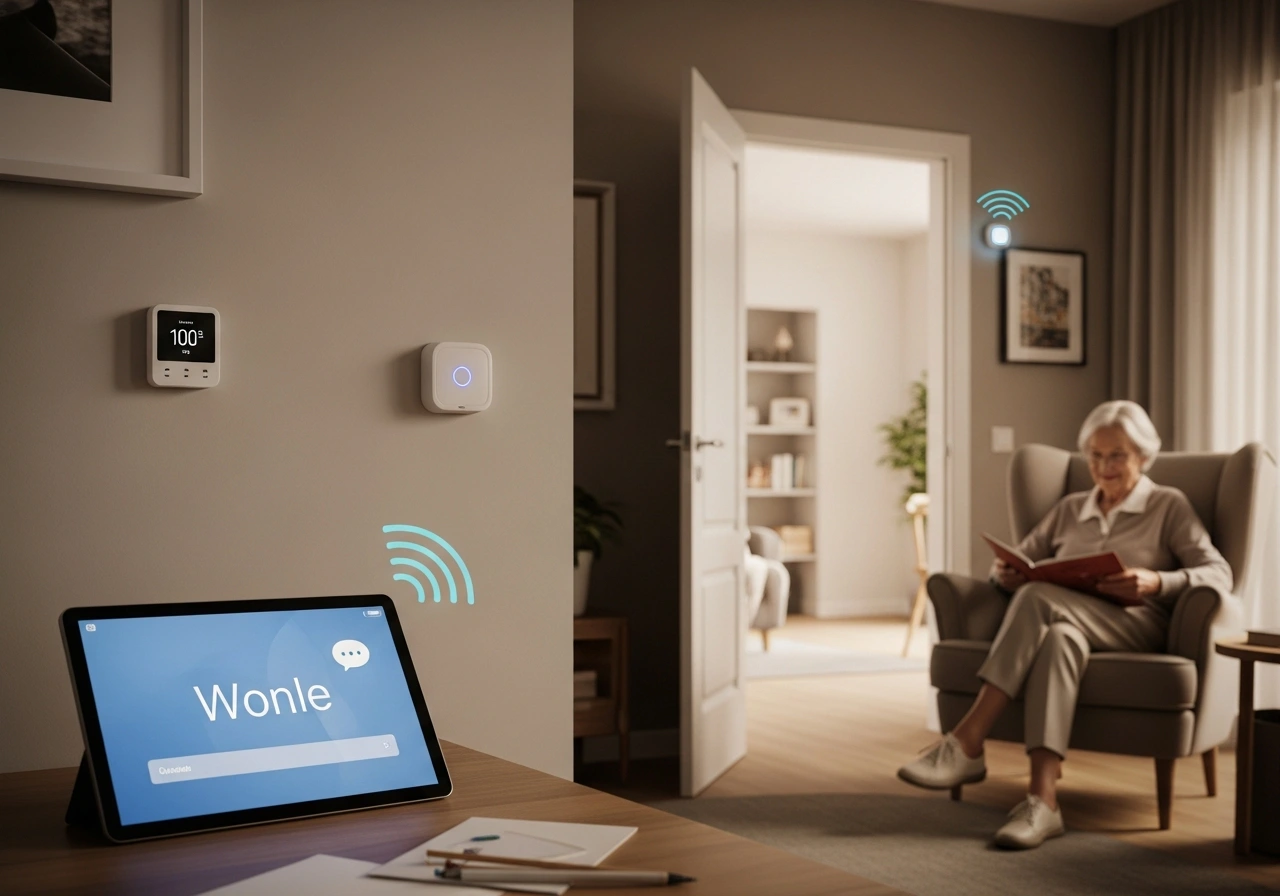
Getting older should never mean immediately losing your independence or giving up the comfort of your own living space. In 2026, building a tailored smart home for elderly care is completely transforming how families manage aging in place. Instead of rushing loved ones into assisted living facilities, modern technology offers a safer, much more comfortable alternative.
The integration of smart home technology for seniors bridges the difficult gap between complete independence and round-the-clock supervision. Family members naturally worry about falls, missed medications, or forgotten appliances left running. By installing the right automated systems, you effectively eliminate these daily anxieties.
To provide the most accurate insights, we consult with Certified Aging-in-Place Specialists (CAPS) who design these living spaces daily. These professionals emphasize that technology should empower older adults, not confuse or frustrate them. A proper smart home for seniors operates quietly in the background, only stepping in when necessary.
Whether you are actively caring for an aging parent or planning for your own future, understanding these tools is vital. This comprehensive guide will explore the absolute best devices, associated costs, and integration strategies available today. Let us explore how connected devices are making aging at home safer than ever before.
What Is a Smart Home for Elderly Care?
A smart home for elderly care is a residence equipped with internet-connected devices designed specifically to assist aging individuals. These Internet of Things (IoT) systems automate basic household tasks, monitor physical health, and provide instant emergency communication. They transform a standard house into a highly responsive, protective environment.
Unlike traditional smart homes built purely for entertainment or luxury, a smart home for older adults prioritizes safety and accessibility. The technology focuses on fall prevention, climate control, and simple voice activation. The goal is to remove physical barriers that make daily living difficult or dangerous.
For example, traditional light switches require physical mobility and navigating through dark rooms, which increases fall risks. In a connected home, automated motion sensors turn on the lights the moment a senior steps out of bed. This simple application of smart home technology for elderly residents prevents thousands of emergency room visits annually.
Furthermore, these systems provide critical data to remote family members and professional caregivers. Modern setups can track daily routines, alerting family members if a senior has not opened their refrigerator or left their bedroom. This non-invasive monitoring ensures safety while deeply respecting the individual’s personal privacy and dignity.
Top Smart Home Devices for Seniors and Elderly Care

Selecting the right hardware is the most critical step in building a protective environment. The market is flooded with gadgets, but the best smart home devices for seniors focus entirely on reliability and ease of use. Below is a detailed breakdown of the essential equipment every aging-in-place setup requires.
Advanced Fall Detection Sensors
Falls are the leading cause of fatal and non-fatal injuries among older adults. Modern fall detection systems have evolved far beyond the old-fashioned “help button” pendants that seniors often forget to wear. Today, ambient smart gadgets for seniors use radar and advanced AI to monitor movement in a room.
These wall-mounted sensors can instantly detect if a person suddenly drops to the floor. If a fall occurs, the system automatically alerts family members or calls emergency services without requiring the senior to press anything. They are completely camera-free, making them perfect for private areas like bathrooms and bedrooms.
Automated Lighting and Motion Sensors
Proper illumination is the easiest and cheapest way to prevent dangerous nighttime accidents. Smart lights paired with basic motion sensors ensure that a senior never has to walk through a dark hallway again. As soon as movement is detected, soft, low-glare lights illuminate the path to the bathroom or kitchen.
Furthermore, family members can set up specific lighting schedules using smart devices for elderly care. Lights can be programmed to gradually brighten in the morning to help wake the senior naturally. In the evening, they can automatically dim to promote better sleep cycles and circadian rhythm health.
Voice-Controlled Digital Assistants
Voice assistants like Amazon Alexa, Google Nest, and Apple Siri are the ultimate accessibility tools for aging adults. They completely remove the need to read small text on a smartphone or navigate complicated television remotes. A senior simply uses their voice to ask for the weather, call a family member, or play their favorite music.
For individuals with arthritis or limited mobility, voice commands restore a massive sense of control over their environment. They can lock doors, adjust the thermostat, and turn off appliances without getting up from their favorite chair. Smart home devices for elderly individuals must always prioritize this type of frictionless, hands-free interaction.
Smart Locks and Connected Doors
Managing physical keys becomes increasingly difficult as fine motor skills decline with age. Smart locks replace traditional deadbolts, allowing doors to be unlocked via a keypad, fingerprint, or smartphone. This ensures seniors never find themselves locked out of their own homes during harsh weather.
More importantly, these locks are vital for professional caregivers and emergency responders. Family members can remotely unlock the door for a visiting nurse or a grocery delivery service from miles away. You can also review access logs to ensure that scheduled home care workers arrived at the house on time.
Automated Smart Thermostats
Seniors are highly susceptible to extreme temperature changes, making reliable climate control a major health priority. Smart thermostats like Ecobee or Nest learn the homeowner’s preferred temperatures and adjust automatically. They ensure the house never gets dangerously cold in the winter or dangerously hot in the summer.
Wearable Health Monitors
Modern smartwatches and dedicated health bands do much more than just count daily steps. These wearables constantly monitor heart rate, blood oxygen levels, and even irregular heart rhythms (AFib). If the device detects a dangerous vital sign, it instantly sends an alert to the user’s emergency contacts.
Electronic Medication Reminders
Medication mismanagement is a massive reason many seniors are forced to leave their homes. Smart pill dispensers solve this problem by securely locking away medication and only dispensing the correct pills at the exact right time. They use loud alarms and flashing lights to remind the senior, and they notify family members if a dose is skipped.
How Smart Home Technology Helps Seniors Stay Independent
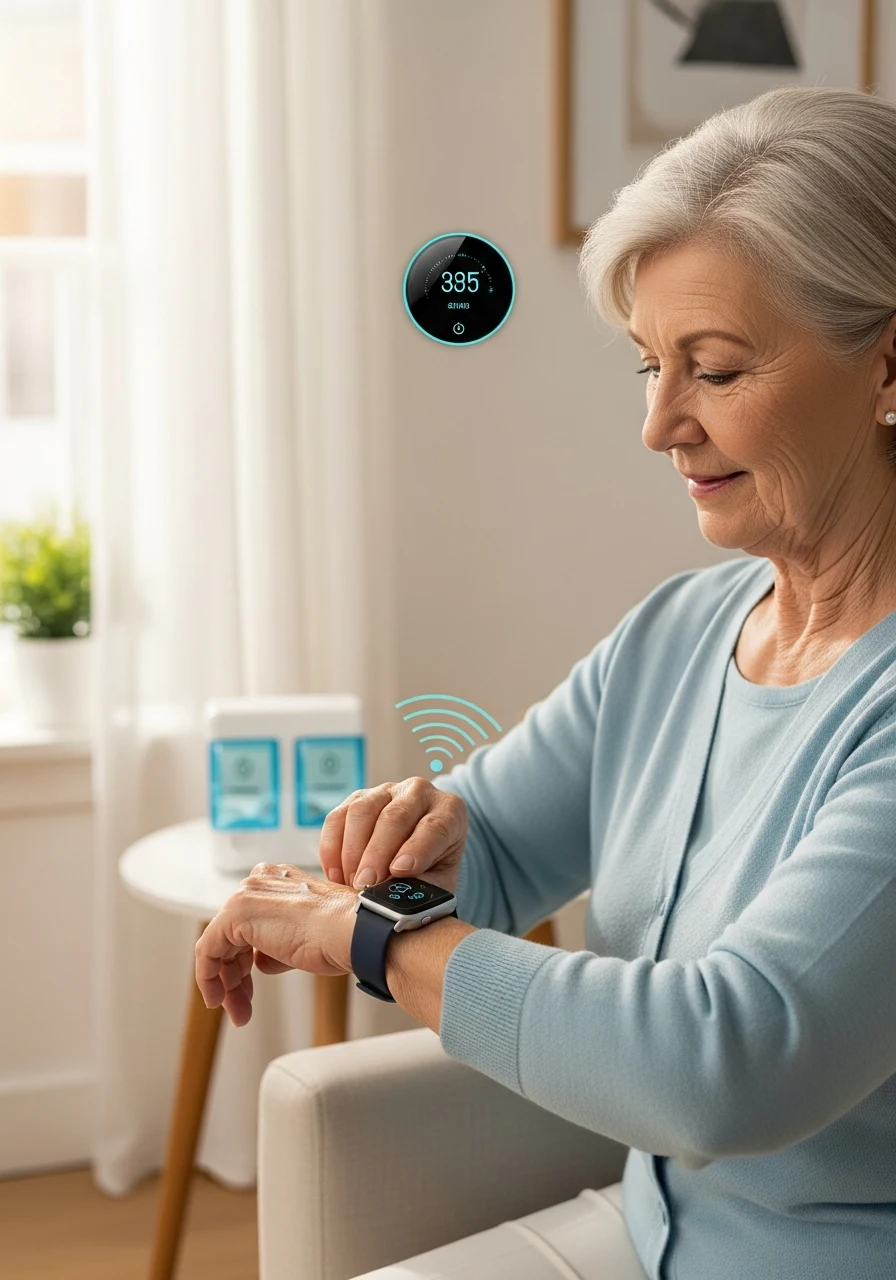
The ultimate goal of integrating this technology is to preserve the senior’s autonomy for as long as safely possible. When a home is properly equipped, older adults can maintain their daily routines without feeling like a burden to their children. Smart home technology for seniors acts as an invisible, 24/7 support system.
By automating basic daily routines, seniors conserve their physical energy for more important, enjoyable activities. When the house automatically manages the thermostat, locks the doors at night, and turns off the oven, daily stress plummets. This creates a deeply relaxing environment where the senior feels completely in control of their domain.
Furthermore, the remote monitoring capabilities allow family members to step back and stop micromanaging. Instead of calling three times a day to check in, a daughter can simply glance at her smartphone app. If the smart home for seniors shows normal activity levels, she knows her parent is safe and active.
Ultimately, these systems drastically reduce the frequency of catastrophic hospital visits. By preventing falls with automated lighting and catching medication errors with smart dispensers, seniors avoid severe health crises. Staying out of the hospital is the single most important factor in maintaining long-term independence and quality of life.
Integrating Home Care Services with Smart Homes
Many families reach a point where technology alone is not enough, and physical human assistance becomes necessary. Integrating physical elderly care services at home with a connected IoT network creates a hybrid, foolproof safety net. Professional caregivers and smart devices work together to provide unparalleled, round-the-clock protection.
When families begin searching for “senior home care near me,” they should look for forward-thinking agencies. The best agencies for elderly home care actively use their clients’ smart home data to improve their physical visits. They review sleep patterns and medication logs from the smart hub before they even walk through the front door.
This technology also bridges the gap between scheduled physical visits. If a professional caregiver only visits for three hours a day, the smart home monitors the remaining twenty-one hours. This is why many families choose this hybrid model over moving their loved ones into residential care homes for elderly individuals.
Furthermore, combining professional caregiving with IoT devices allows for remote video check-ins and telehealth appointments. Caregivers can visually confirm that a senior has eaten their lunch without driving across town. If you are looking for reliable senior care near me, always ask if the agency integrates with modern smart home platforms.
DIY Senior Care at Home: Smart Solutions for Family Caregivers
Not every family has the financial resources to hire daily professional nursing staff or private companions. For these families, taking care of elderly parents at home becomes a deeply personal, full-time commitment. Fortunately, DIY smart home solutions dramatically reduce the immense stress placed on family caregivers.
Setting up a basic network for stay-at-home senior care is entirely manageable, even for those who are not tech-savvy. You can start with simple, budget-friendly options like Amazon Echo Show displays for drop-in video calls. These displays allow adult children to instantly see and speak with their parents without the senior needing to answer a phone.
Family caregivers can also use smart speakers to automate daily health and hygiene reminders. For instance, managing diabetes or proper home foot care for seniors requires strict daily routines and inspections. A voice assistant can announce, “It is time to check your blood sugar and inspect your feet,” ensuring critical routines are never forgotten.
Ultimately, these essential devices for safety and comfort provide family caregivers with desperately needed peace of mind. By utilizing automated door sensors and smart pill dispensers, you prevent catastrophic accidents before they happen. You can go to work knowing your parents’ house is actively monitoring their well-being.
Cost Considerations & Financial Guidance
Building a connected environment requires an upfront financial investment, which naturally causes budget concerns for many families. However, you must weigh the cost of smart home devices against the massive recurring expenses of assisted living facilities. Understanding the financial landscape helps you make the best long-term decisions for your loved one.
Is Aged Care Home Care Draining Your Finances? What You Need to Know
Traditional nursing facilities can cost upwards of $8,000 per month, rapidly depleting a family’s life savings. In contrast, fully equipping a house with top-tier automation and fall detection might cost $2,000 upfront. This one-time technology investment often pays for itself within the very first month of avoiding facility fees.
Is Elderly Companion Care the Missing Link to Better Senior Well-being?
While technology is incredible, it cannot replace human empathy and conversational interaction. Investing in part-time elderly companion care alongside a smart home network provides the perfect balance of safety and socialization. You save money by only paying for human companionship a few days a week while the technology handles the 24/7 safety monitoring.
Are Glider Recliners Worth the Investment for Elderly Care?
Yes, especially when integrated into a modern smart home ecosystem. Modern power-lift glider recliners help seniors stand up safely, dramatically reducing the risk of leg and back injuries. Some high-end models now feature USB ports and smart plugs, allowing seniors to control their voice assistants and heating pads directly from their chairs.
Choosing the Right Smart Home Company & Services
If you decide that a DIY setup is too overwhelming, hiring professional integrator is the safest alternative. The market is filled with contractors, so you must know exactly how to evaluate different smart home services. Always look for companies that specifically specialize in ageing-in-place modifications rather than just home theatre setups.
A reputable smart homes company will always conduct a thorough, in-person assessment of the senior’s living space first. They will identify specific tripping hazards, assess Wi-Fi dead zones, and recommend devices tailored to the individual’s exact mobility limits. They prioritize functional safety over flashy, unnecessary technological gimmicks.
When budgeting for smart home installation, ask the provider about their ongoing technical support packages. Seniors cannot be expected to troubleshoot a disconnected Wi-Fi router or a frozen smart lock on their own. Reliable smart home solutions always include 24/7 remote maintenance, ensuring the safety network never goes offline.
Real-Life Case Studies & Testimonials
As a certified aging-in-place specialist, I witness the life-changing impact of this technology every single week. Theoretical benefits are great, but real-world application proves the true value of a smart home for elderly care. One recent client, a 78-year-old widow named Margaret, was terrified of falling after a minor slip in her bathroom.
Her family was actively touring an expensive old care home, assuming she could no longer live independently. Instead, we installed radar-based fall detection sensors in her bathroom and automated floor-level lighting in her hallways. We also added an automatic smart stove shut-off device to prevent accidental kitchen fires.
Within two weeks, Margaret’s confidence completely returned, and she cancelled her plans to move into the facility. Her daughter receives a simple morning text message when Margaret opens her smart medicine cabinet, confirming she is awake and medicated. This simple technological intervention saved the family thousands of dollars and preserved Margaret’s cherished independence.
Future of Smart Homes for Elderly Care
The technology available in 2026 is phenomenal, but the future of this industry looks even more promising. We are moving rapidly toward systems that use AI for predictive health monitoring rather than just reactive emergency alerts. Future homes will analyze a senior’s walking gait to predict a high risk of falling before it actually happens.
Furthermore, smart robotics will soon become a standard addition for daily physical assistance. Robotic companions will help seniors carry heavy laundry, fetch dropped items, and provide physical stability while walking. These machines will integrate flawlessly with the existing smart home network.
Finally, deep integration with telemedicine will transform the living room into a fully functional clinical space. Wearables will transmit real-time EKG and blood pressure data directly to a doctor’s dashboard during virtual visits. The smart home will become an extension of the local hospital, keeping seniors healthier and happier.
Frequently Asked Questions
Will smart home devices confuse my elderly parents?
Not if they are selected and installed correctly. The best devices operate completely in the background or use natural voice commands, requiring zero technical skill. You should avoid devices with small touchscreens or complex menus that cause unnecessary frustration.
Does Medicare pay for smart home installations?
Traditional Medicare generally does not cover standard smart home devices like voice assistants or Wi-Fi bulbs. However, Medicare Advantage plans and certain Medicaid waiver programs are beginning to cover medical alert systems and home safety modifications. Always consult with a geriatric care manager to explore local funding options.
What happens to a smart home if the internet goes down?
This is a critical safety concern. High-quality smart home hubs use local processing and cellular battery backups to keep functioning during an outage. While remote video viewing might drop, local alarms, smart locks, and fall detection alerts will still notify emergency services perfectly.
Can a smart home prevent wandering for dementia patients?
Yes, they are highly effective for memory care. You can install smart door sensors that immediately trigger an alert on your phone if an exterior door is opened at night. Furthermore, voice assistants can be programmed to play a recorded message from a family member, gently reminding the senior to return to bed.
Are indoor security cameras an invasion of privacy?
Cameras can be invasive, which is why they should only be used in common areas like the living room or kitchen. For private areas like bathrooms and bedrooms, you should strictly use radar-based fall sensors or motion detectors. These provide safety data without compromising the senior’s personal dignity or privacy.
Conclusion: Smart Homes Are the Future of Elderly Care
We have thoroughly explored how a well-designed smart home for elderly care changes the landscape of aging. By implementing these strategic technologies, we remove the daily physical dangers that threaten older adults. You no longer have to choose between your loved one’s safety and their personal freedom.
From advanced fall detection sensors to automated medication dispensers, the best smart home devices for seniors provide an invisible, flawless safety net. They empower older adults to navigate their daily lives with dignity and confidence. Furthermore, they grant adult children the ultimate gift: peace of mind.
Do not wait for a catastrophic medical emergency to start planning. Begin upgrading the home environment today with simple voice assistants and automated lighting. By embracing this technology, you ensure that your loved ones can safely age in the exact place they love the most.
Reference:
- National Institute on Aging (NIA) / National Institutes of Health
- National Association of Home Builders (NAHB) – CAPS Program
- National Council on Aging (NCOA)
- AARP (American Association of Retired Persons)
- Medicare.gov (Centers for Medicare & Medicaid Services)