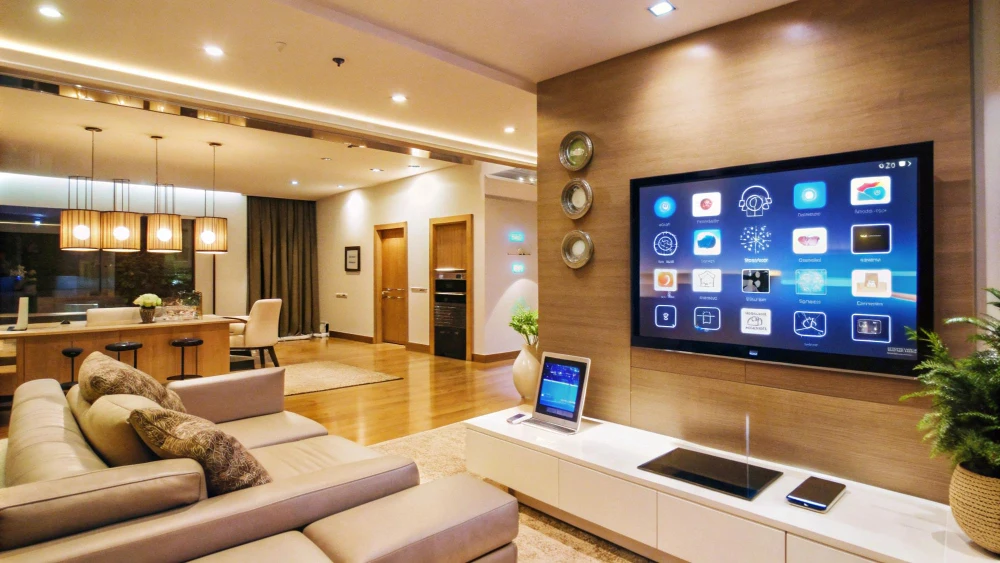
Welcome to the future of modern living. You hear people talk about connected houses constantly. Consequently, you probably wonder, “What is smart home automation?” This guide explains everything clearly.
First of all, what is smart home automation? It involves linking your daily appliances to a central network. Because you connect them, they operate entirely on their own.
Furthermore, the demand for connected living grows exponentially every year. People want ultimate comfort and rock-solid home security. Also, they want to slash their monthly energy bills effortlessly.
What is smart home automation? It means your physical house works for you. You never flip a manual switch again. Your thermostat adjusts itself perfectly before you even wake up.
As a professional CEDIA-certified installer, I build these systems daily. I see the exact confusion beginners face. Therefore, I wrote this complete 2026 roadmap specifically for you.
We will explore the absolute core basics today. You will discover the best devices and top software platforms. Let us transform your normal house into an intelligent masterpiece!
What Is Smart Home Automation?
Let us start with a crystal-clear definition. What is the meaning of smart home automation? It means utilizing the Internet of Things (IoT) to manage household tasks.
Basically, what is home automation? It means your physical devices communicate over a local Wi-Fi network. You set specific rules, and your gadgets follow them perfectly.
Most noteworthy, you must understand the massive difference between automation and manual control. Manual control requires you to push a physical button. Automation happens completely without your physical touch.
For example, a smartphone remote app still requires your physical effort. In contrast, true automation handles the task autonomously. You just walk into a dark room, and the lights turn on instantly.
What is smart home automation system architecture in real life? Imagine your morning routine. Your alarm rings at 6:00 AM. Simultaneously, your coffee maker starts brewing fresh coffee.
Also, your motorized bedroom blinds slowly open. They let the warm sunshine inside. Your house essentially anticipates your exact daily needs.
As a result, your morning feels completely stress-free. Because you rely on intelligent sensors, you remove daily friction. Therefore, your living space becomes incredibly efficient and highly responsive.
What Is a Smart Home Automation System?
You must understand the underlying framework before buying gadgets. So, what is a smart home automation system exactly? It is a unified network of hardware and software working together.
First of all, a true home automation system requires three main components. You need the actual smart devices first. These include your Wi-Fi bulbs, electronic locks, and smart thermostats.
Second, you absolutely need a strong communication network. Your devices must talk to each other constantly. They usually utilize standard Wi-Fi, Zigbee, Z-Wave, or the Matter protocol.
Third, a house automation system needs a central control hub. This specific hub acts as the brain of your operation. It processes data and sends out critical device commands.
When I design custom layouts, I focus on the architecture overview. The central hub sits right at the center. All the peripheral devices connect directly to this core brain.
Because the hub processes everything locally, your commands happen instantly. You tap a button on your smartphone screen. Then, the hub tells the deadbolt to lock immediately.
Furthermore, this modular architecture allows massive network scalability. You start with just one simple Wi-Fi plug today. Later, you easily add thirty different sensors to the same network.
How Smart Home Automation Works

Now, let us look under the technical hood. What is smart home automation, and how does it work? The process follows a very specific, logical data loop perfectly.
First, physical sensors collect real-time data from your environment. A motion sensor detects movement in your dark hallway. Or, a temperature sensor reads the cold air perfectly.
Next, the sensor sends this raw data to your central hub. The hub analyzes the information instantly. It checks if you created any rules for this specific scenario.
Then, the actual automation logic kicks in flawlessly. What is smart home automation, and how does it work exactly? The hub triggers a corresponding action based on your rules.
Finally, the target device executes the specific command immediately. The smart bulb turns on brightly. Or, the smart thermostat increases the room temperature by five degrees.
Let us trace a perfect example workflow. You walk toward your front porch late at night. First, your outdoor security camera detects your physical motion.
Because the camera sees you, it alerts your central hub. The hub instantly checks the current local time. Since it is dark outside, the hub triggers your porch lights.
As a result, the lights flip ON automatically. This entire data loop happens in a fraction of a second. Consequently, you experience true technological magic every single day.
Key Components of a Smart Home Automation System
You cannot build a network without the right parts. The market offers thousands of unique home automation devices today. Let us explore the absolute essentials you actually need.
As an expert testing gear for Wirecutter, I evaluate new tech constantly. You must select the right home automation devices list to guarantee ultimate success.
First of all, smart lights remain the absolute easiest starting point. You simply replace your old bulbs with Wi-Fi LED bulbs. They offer millions of distinct color options instantly.
Next, consider installing smart thermostats. These intelligent climate controllers save you serious money. They learn your daily schedule and adjust your heating perfectly.
Furthermore, smart locks provide incredible convenience and incredibly strong security. You never carry metal house keys again. You unlock the door using a simple PIN.
Also, security cameras act as your digital eyes. They monitor your entire property perfectly 24/7. Consequently, they send instant video alerts directly to your smartphone.
Sensors are the hidden heroes of any setup. Motion sensors, water leak detectors, and door contacts feed critical data. They keep your main hub informed constantly.
Every single smart home automation device plays a unique role. When you combine them correctly, you create a powerful network. They work perfectly together to protect your family.
What Are the 4 Pillars of Smart Home Automation?
To truly master this technology, you must grasp its foundation. What are the 4 pillars of automation? Every successful network relies entirely on these four principles.
Connectivity is the absolute first pillar. Devices must maintain a rock-solid internet connection. Without stable Wi-Fi or Zigbee, your entire automation network simply collapses.
Control serves as the second vital pillar. You need a simple way to manage your gadgets. You typically use voice assistants, smartphone apps, or touch panels.
Automation forms the third and most important pillar. This means creating logical routines. You tell the system to lock the doors exactly at midnight.
Finally, Artificial Intelligence (AI) represents the fourth pillar. Modern systems actually learn your daily habits. Because they use AI, they anticipate your exact needs.
For example, an intelligent thermostat knows you will arrive home soon. Therefore, it preheats the living room perfectly at 5:15 PM. This requires absolutely zero manual input.
Examples of Smart Home Automation
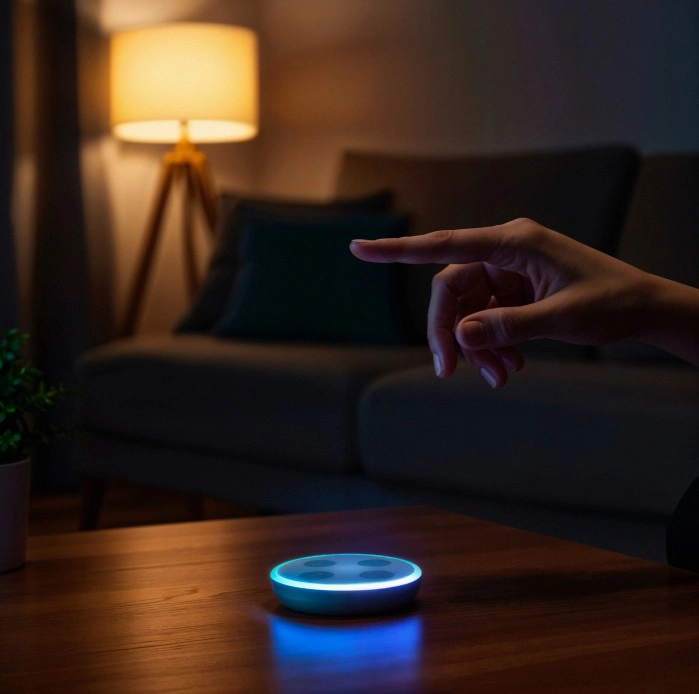
What is an example of smart home automation? Real-life use cases show you the true power of this technology. You experience extreme convenience every single day.
What are the examples of home automation? First of all, automated lighting is the most common starting point. You schedule your kitchen lights to turn on precisely at 6:00 AM.
Consequently, you walk into a bright room every morning. Also, climate control routines offer massive daily benefits. Your thermostat automatically lowers the temperature when you leave.
Therefore, you stop wasting money on empty rooms. Furthermore, security alerts represent a critical life-saving example. Your outdoor camera spots a person in your driveway at midnight.
Because of this, the system instantly flashes your bedroom lights. Then, it sends a live video feed directly to your phone.
Voice assistant routines also make life incredibly easy. You simply say, “Goodnight,” to your bedside speaker. Immediately, the system locks all your doors securely.
Simultaneously, the thermostat drops to your preferred sleeping temperature. As a CEDIA installer, I see clients’ faces light up constantly. It truly feels like pure magic.
What Is Smart Home Integration and Automation?
You might hear tech experts use a specific term frequently. What is smart home integration and automation? It means making different product brands work together flawlessly.
First of all, integration connects your separate gadgets into one unified network. For instance, your Philips Hue bulbs must talk to your Ring doorbell directly.
What is smart home integration and automation exactly? It acts as the bridge between isolated devices. Because you integrate them, you create complex routines easily.
If you skip integration, you end up with ten different apps. Consequently, your daily experience becomes incredibly frustrating. You want one single dashboard for everything.
Major ecosystems like Google Home, Amazon Alexa, and Apple HomeKit handle this perfectly. They act as universal translators for your various hardware gadgets.
Therefore, you command a Google thermostat and an Apple lock simultaneously. As a result, your house operates as one cohesive, highly intelligent organism.
Furthermore, the new Matter protocol makes integration simpler than ever. I always tell my clients to buy Matter-certified gear. It guarantees perfect interoperability across all brands.
Popular Smart Home Automation Platforms & Brands
You must choose the right software to run your house. The market offers dozens of powerful platforms today. Let us explore the absolute best options available in 2026.
First, what is Tuya smart home automation? Tuya is a massive global platform. It powers millions of budget-friendly white-label devices worldwide perfectly.
Because Tuya offers a universal app, you can control hundreds of different brands easily. Next, consider Samsung SmartThings. It remains a top choice for serious tech enthusiasts today.
Furthermore, SmartThings integrates flawlessly with almost every major appliance brand. Also, Home Assistant provides the ultimate open-source solution. It runs locally and offers unmatched user privacy.
If you live in South Asia, you might ask about regional leaders. Specifically, what is KEUS smart home automation? Keus dominates the premium Indian market right now.
Smart home automation in India grows massively every single year. Keus provides highly customized, professionally installed lighting and climate systems. They look absolutely gorgeous in luxury homes.
Another great example is smart node home automation. They offer retrofittable smart switches for standard walls. Therefore, you keep your existing beautiful wall plates intact.
Because these platforms offer different strengths, you must pick one carefully. Choose based on your technical skill and your specific geographic location.
Smart Home Automation Services
Building a reliable network requires time and effort. Therefore, you must decide between a DIY approach and professional smart home automation services.
First of all, DIY setups work perfectly for small apartments. You easily install smart bulbs and Wi-Fi plugs yourself. Consequently, you save a lot of money upfront.
However, large properties require complex wiring and robust network security. In this specific case, you absolutely should hire certified smart home automation services.
Professional installers handle everything perfectly from start to finish. They run Ethernet cables, configure advanced firewalls, and calibrate your theater audio perfectly.
Furthermore, premium companies like Control4 or Savant offer white-glove service. Because they manage the complex back-end code, your system never crashes unexpectedly.
As a professional integrator, I recommend hiring help for security panels. You cannot afford simple DIY mistakes with your door locks or your furnace.
Therefore, weigh your budget against your personal free time. Sometimes, paying an expert saves you massive headaches and costly mistakes later.
Smart Home Automation Project Ideas
Do you love tinkering with code and raw electronics? If so, you should start a custom smart home automation project today.
First, developers absolutely love building Arduino-based sensor networks. You buy cheap sensors and write custom C++ code. Consequently, you control your exact hardware parameters perfectly.
Also, a Raspberry Pi serves as an incredible local server. You install Home Assistant on it and run your entire house locally.
Because you keep your private data off the cloud, your privacy remains absolute. Another great smart home automation project involves building a custom wall dashboard.
You mount a cheap touchscreen tablet on your living room wall. Then, you design a beautiful user interface showing your cameras and local weather data.
Furthermore, you can integrate open-source AI models into your personal setup. You train a local AI to recognize your specific voice commands accurately.
The IEEE community offers thousands of free blueprints for these exact projects. Therefore, you can easily find source code online to jumpstart your DIY journey today.
Benefits of Smart Home Automation
Why should you invest your hard-earned money into this tech? The benefits of smart home automation change your daily life completely and instantly.
First of all, you experience unbelievable convenience every single day. You control your entire house from your phone while sitting at your office.
Furthermore, advanced security features protect your family perfectly. You receive instant smartphone alerts if someone opens a ground-floor window. Because of this, you sleep soundly.
Also, you achieve massive energy efficiency effortlessly. Smart thermostats cut your winter heating bills dramatically. They never waste costly energy on empty rooms.
Most noteworthy, these technical upgrades increase your property value instantly. Modern home buyers specifically look for houses with pre-installed automation networks.
Challenges & Limitations
Every modern technology has distinct flaws. You must understand the challenges and limitations before you spend your hard-earned money.
First, security concerns worry many new users today. Hackers can target weak Wi-Fi networks easily. Therefore, you must use strong passwords and highly secure routers.
Also, compatibility issues cause massive frustration for beginners. You might buy a lock that refuses to connect to your hub. Consequently, you waste hours troubleshooting it.
Furthermore, internet dependency creates potential problems. If your local ISP goes down, your cloud-based devices stop working entirely.
Because of these risks, I always recommend devices with local control options. They keep functioning perfectly even without an active internet connection.
Future of Smart Home Automation
The automation technology evolves incredibly fast right now. The future of smart home automation looks incredibly exciting for 2026 and beyond.
First of all, AI-powered homes will become the absolute standard everywhere. Your house will learn your daily habits perfectly without any manual programming.
Furthermore, the Matter protocol will eliminate compatibility issues soon. Every single brand will finally work together perfectly right out of the box.
Also, voice control will become much more conversational and natural. You will speak naturally to your house, just like talking to a real human friend.
Because predictive automation will handle everything, you will rarely use smartphone apps. The house will simply know exactly what you need automatically.
Frequently Asked Questions
Does a smart home use a lot of electricity?
Actually, no. Smart devices consume very little standby power daily. Furthermore, they drastically reduce your overall energy usage by turning off unused appliances automatically.
What internet speed do I need for automation?
You need a highly stable connection rather than raw speed. A standard 50 Mbps connection handles a typical house automation system perfectly. However, HD cameras require more upload bandwidth.
Do I need a professional to install these devices?
You can easily install basic plug-and-play devices yourself. However, you should hire professional smart home automation services for complex wiring, security panels, and whole-house audio.
Can smart home systems work during a power outage?
Standard Wi-Fi devices fail immediately without electricity. However, battery-powered locks and motion sensors continue working perfectly. Also, hubs with battery backups keep your security network online.
Is smart home automation safe from hackers?
Yes, if you configure it correctly from day one. You must change the default passwords immediately. Furthermore, enable two-factor authentication on every single app to block unauthorized access perfectly.
Conclusion
We covered a massive amount of technical information today. Now, you fully understand exactly what smart home automation is.You know how to design a basic home automation system perfectly. You also understand the core components and the massive daily benefits they provide.
First of all, start incredibly small. Buy a cheap smart speaker and two Wi-Fi bulbs. Learn how the scheduling software works completely first.Because you take your time, you avoid costly beginner mistakes entirely. Welcome to the incredibly exciting world of automated living!
References:
- Towards Smart Home Automation Using IoT-Enabled Edge-Computing Paradigm
- A Comprehensive Review of IoT Networking Technologies for Smart Home Automation Applications
- The Intelligent Home: A Systematic Review of Technological Pillars, Emerging Paradigms, and Future Directions
- Smart Home IoT Forensics in Matter Ecosystems: A Data Extraction Method Using Multi-Admin
- Hoque, M. A., & Davidson, C. (2019). Design and Implementation of an IoT-Based Smart Home Security System