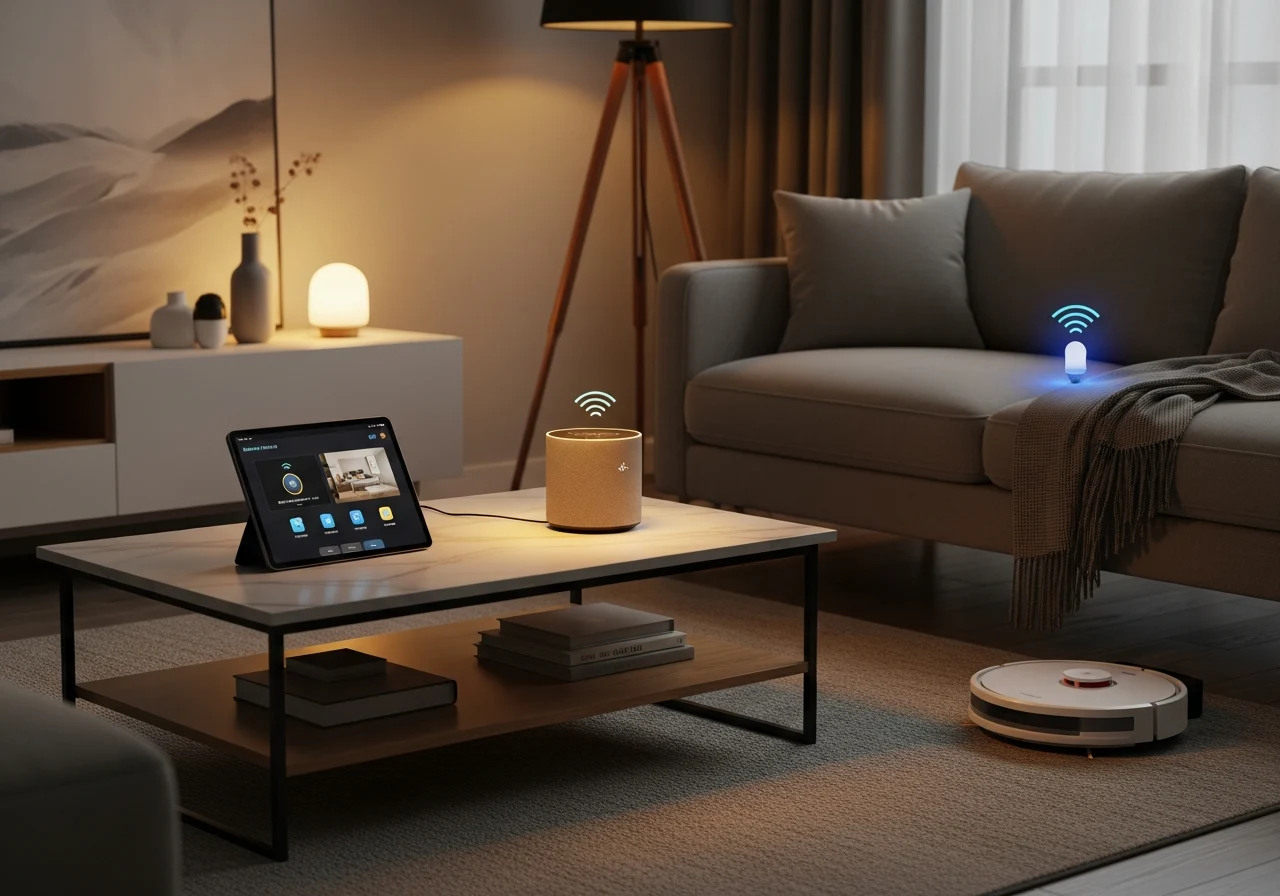
Setting up a smart home in 2026 is easier, cheaper, and faster than ever before. Even if you are starting from absolute zero, you can automate your house today. Many people feel overwhelmed by the sheer number of gadgets available right now.
You might worry about complex compatibility issues or massive installation costs. However, you truly do not need to be a computer programmer to succeed. As a certified home automation specialist with over ten years of field experience, I hear these exact concerns daily.
My clients often ask for a simple smart home setup guide. They want clear, actionable steps without the confusing technical jargon. Therefore, I designed this comprehensive smart home setup beginners’ manual just for you.
If you want a highly practical smart home for beginners, you are exactly in the right place. We will strip away the confusion and focus purely on what actually works. Consider this your ultimate guide to smart homes for dummies.
Let us dive right into the basic principles of modern home automation. First of all, we will cover the core components you actually need. Then, we will walk through a complete, step-by-step installation process.
What Is a Smart Home Setup?
People frequently ask me, “What is a smart home setup in simple terms?” Basically, it is a network of internet-connected appliances that communicate seamlessly together. You control these automated gadgets remotely using a smartphone or your voice.
Understanding basic smart home design requires knowing three main components. First, you have the actual hardware gadgets like light bulbs, door locks, and security cameras. These are the physical smart home devices you interact with daily.
Second, you need a central controller or hub. The hub acts as the primary brain of your entire connected house. It translates signals between different brands flawlessly. Consequently, your lights know exactly when your security camera spots motion.
Finally, you need a dedicated mobile app to manage everything. The app provides a visual dashboard for scheduling routines and adjusting settings. When you combine devices, a hub, and an app, you create a fully functional automated ecosystem.
Types of Smart Home Systems (2026 Overview)
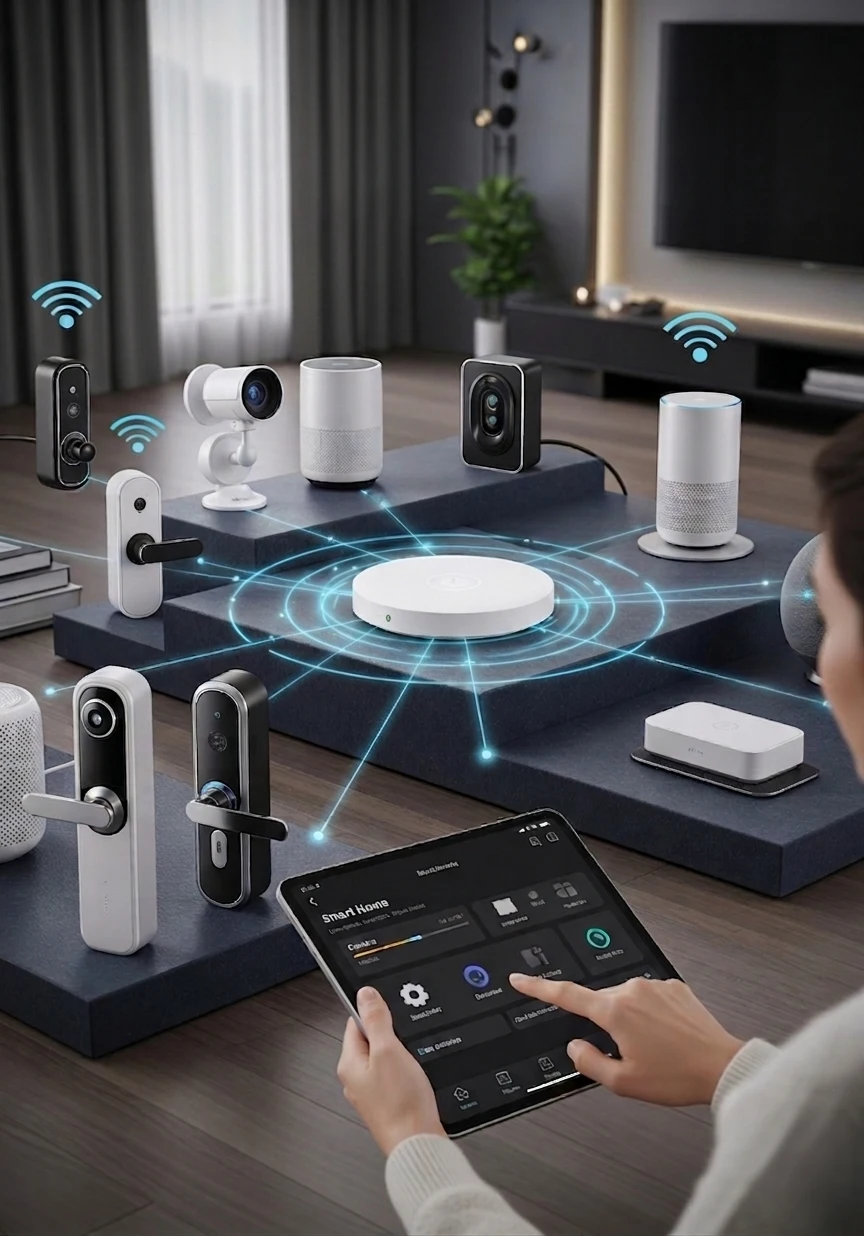
Choosing the right ecosystem is the most critical decision you will make. In 2026, three major platforms will dominate the automation market completely. Therefore, you must select the one that fits your specific phone and lifestyle best.
First, the Alexa smart home setup guide approach remains incredibly popular worldwide. Amazon Alexa features massive third-party compatibility. Consequently, almost every cheap gadget on the market connects to Alexa instantly. It is perfect for budget-conscious buyers.
Second, the Google ecosystem relies heavily on the Google Home app. If you use an Android smartphone daily, Google Assistant integrates flawlessly. Furthermore, Google provides superior, conversational AI responses to complex web queries.
Finally, we must discuss Matter-based smart homes. Matter is the revolutionary new universal language for automation. A dedicated Matter smart home app allows Apple, Google, and Amazon devices to work together natively.
This cross-brand compatibility represents the ultimate smart home setup guide 2026 standard. Because Matter eliminates vendor lock-in, it is the most future-proof option available. I strongly advise my clients to buy Matter-certified gadgets whenever possible.
Step-by-Step DIY Smart Home Setup Guide
Building your connected house requires a clear, logical strategy. I have refined this exact DIY smart home setup guide over hundreds of successful client installations. Follow these specific steps carefully to avoid common beginner mistakes entirely.
Step 1: Plan Your Smart Home Strategy
First of all, grab a notepad and walk through your house. Identify specific daily problems you want to solve immediately. Do you often forget to lock the front door? Do you want your coffee ready when you wake up?
Write down your top priorities, room by room. This focused approach generates the best smart home setup ideas naturally. Furthermore, establish a firm budget before you buy anything. You do not need to automate the entire house on day one.
Step 2: Choose Your Primary Ecosystem
Next, you must decide on the core platform that runs your house. You will choose between Amazon Alexa, Google Assistant, or Apple Home (using Matter). People often ask me, “How do I build my own smart home without compatibility headaches?”
The answer is simple: pick one assistant and stick with it strictly. If your family uses iPhones exclusively, Apple Home offers the best local privacy. Conversely, Alexa offers the absolute easiest plug-and-play experience for beginners.
Step 3: Buy the Essential Hardware
Now, you can finally purchase your gear. Refer back to the goals you wrote down in step one. To build a complete smart home setup, start with the absolute basics. You need a voice assistant speaker, smart LED bulbs, and Wi-Fi plugs.
Later, you can explore lists featuring the top 10 smart home devices for advanced security. However, avoid buying expensive cameras or complex wall switches immediately. Keep your initial purchase simple, affordable, and highly focused.
Step 4: Install and Connect the Devices
Installation is usually the scariest part for beginners. Yet, it is actually incredibly straightforward today. You might wonder, “How do I connect my smart home device securely?”
First, plug the gadget into the wall outlet. Then, open your chosen ecosystem app on your smartphone. Finally, tap the “Add Device” button and follow the simple on-screen prompts. Modern smart home installation guides usually involve just scanning a quick QR code on the box.
Step 5: Automate Your Daily Routines
Connecting the devices is just the beginning. The real magic happens when you create automated routines. Routines allow multiple gadgets to react to a single command simultaneously.
For instance, you can create a “Good Morning” scene. When you say the phrase, the system slowly turns on the bedroom lights, starts the coffee maker, and reads the weather forecast. Automation completely transforms how you experience your living space.
Basic Smart Home Setup for Beginners
If you feel completely overwhelmed, you must start extremely small. A basic smart home setup only requires three cheap items. First, buy a simple voice assistant speaker like an Echo Dot.
Second, purchase a single Wi-Fi smart plug. Third, buy one smart LED light bulb for your bedside lamp. This minimalist smart home guide for beginners costs less than fifty dollars total.
You plug your bedroom lamp into the smart plug. Then, you tell the voice assistant to turn the lamp on or off. Suddenly, you experience the absolute core of automation. A simple smart home for beginners builds immense confidence very quickly.
Affordable Smart Home Setup Guide
You definitely do not need to empty your savings to automate your house. An affordable smart home setup guide focuses on strategic, high-impact purchases. Let us break down a realistic budget strategy for 2026.
For under $100, you can buy a smart speaker, two smart bulbs, and two smart plugs. This instantly modernizes your main living room. If your budget is $100–$300, you can easily add a video doorbell and a smart thermostat.
A full house setup easily falls under $500 if you buy budget-friendly brands like Wyze or TP-Link. Furthermore, check out the Home Depot Smart Home setup guide bundles in stores. They frequently package cheap smart home devices together at massive discounts during holiday sales.
Smart Home Apps & Control Systems
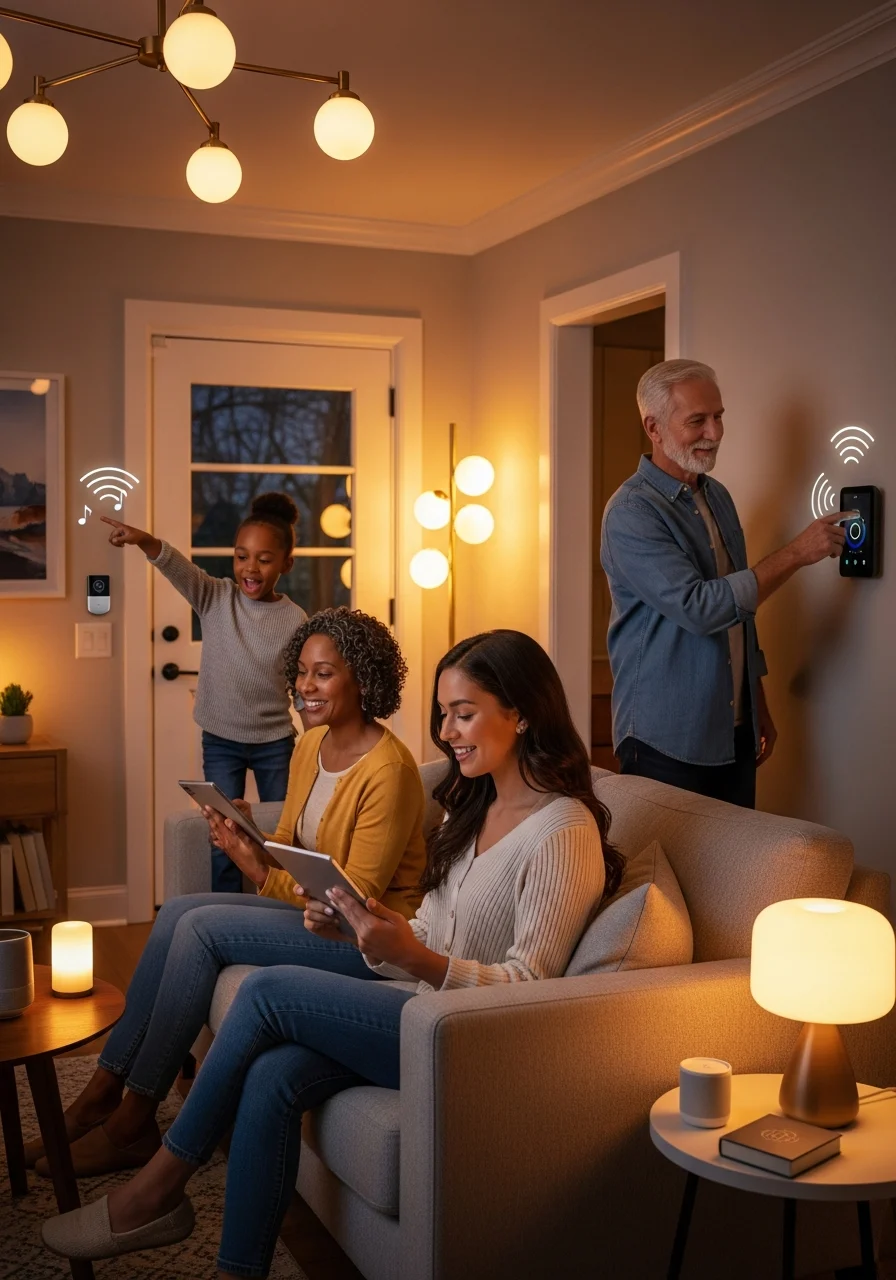
Your mobile application acts as the ultimate command center for your property. A reliable smart home app provides instant remote access to your cameras and locks from anywhere globally.
If you use Amazon hardware, the Amazon Alexa app handles all your device grouping and routine scheduling. It features a highly intuitive, user-friendly interface. Alternatively, the Google Home app organizes your gadgets beautifully by specific rooms.
Recently, the universal Matter smart home app integration changed everything. You no longer need fifteen different apps for fifteen different brands. A single smart home controller dashboard now manages your entire cross-brand ecosystem flawlessly.
Alexa Smart Home Setup Guide
Amazon makes the installation process incredibly seamless. How to set up a smart home with Alexa quickly? First, plug your new Echo speaker into the wall.
Next, download the Alexa app and connect the speaker to your home Wi-Fi network. Once connected, open the “Devices” tab and tap the plus icon. The app instantly scans for nearby compatible gadgets.
Finally, follow the simple on-screen instructions to group your new lights or plugs. This dedicated Alexa smart home setup guide takes less than five minutes to complete entirely.
Matter Smart Home Setup (Future-Proof Guide)
Matter is the new gold standard for home automation. But what exactly matters? It is a universal network protocol that allows competing brands to communicate natively.
Therefore, your Apple HomePod can easily control your Google Nest thermostat. How to set up Matter smart home hardware? You simply buy any device featuring the Matter logo on the box.
During setup, you just scan the Matter QR code using your preferred app. This guarantees a fast, highly secure, and entirely future-proof smart home setup guide 2026 experience.
Smart Home Setup Ideas by Room
Tackling your house room by room keeps the project manageable. Here are my favorite smart home setup ideas for daily convenience. In the living room, sync your smart lights to your television for immersive movie nights.
In the bedroom, use automated blackout blinds and temperature controls for perfect sleep routines. For the kitchen, smart plugs can preheat your espresso machine before you even wake up.
Finally, focus your smart home devices on perimeter security. Install motion-activated floodlights and a reliable smart deadbolt on the front door. These simple room upgrades drastically improve your daily lifestyle.
Professional Smart Home Setup Services
Sometimes, a DIY approach is just not feasible. You might lack the time, tools, or electrical confidence to install hardwired devices. In these specific cases, hiring a smart home setup service is highly recommended.
Professionals handle complex tasks like installing neutral-wire wall switches or ceiling-mounted security cameras safely. While DIY saves money, professional installers guarantee strict electrical code compliance and perfect network stability. Always hire a certified expert if you feel uncomfortable handling live electrical wires.
Frequently Asked Questions
Do smart devices slow down my home internet?
Basic gadgets like smart bulbs and smart plugs use very little Wi-Fi bandwidth. However, running multiple 4K security cameras simultaneously can definitely strain an older wireless router. I recommend upgrading to a modern Wi-Fi 6 mesh system for optimal performance.
What happens to my automations if the internet goes down?
It depends heavily on your specific hardware and hub. Cloud-based devices will lose remote app control and voice commands temporarily. Conversely, gadgets using local protocols like Zigbee or Matter over Thread will continue running their automated schedules flawlessly.
Can I install smart light switches myself safely?
Yes, you can install them if you understand basic home electrical wiring. Always turn off the breaker box completely before touching any wires. However, if your older house lacks a neutral wire, you must buy specific “no-neutral” switches or hire a professional.
Are cheap smart home devices a major privacy risk?
Extremely cheap devices from unknown brands often feature terrible security encryption. They rarely receive critical software updates to patch vulnerabilities. Therefore, always buy budget-friendly gadgets from established, reputable brands like TP-Link, Wyze, or Amazon directly.
Do I really need a dedicated smart home hub?
Not necessarily. Many Wi-Fi devices connect directly to your existing home router without a separate hub. However, a dedicated hub manages your devices much more efficiently and keeps local automations running without internet access.
Conclusion
Building your automated sanctuary is an incredibly rewarding journey. Do not let technical jargon or massive product catalogs intimidate you at all. Remember, starting small is the absolute best strategy for long-term success.
As we covered in this guide, a basic smart speaker and a single light bulb change everything. First of all, you gain immediate confidence in the technology. Furthermore, you discover exactly what automations fit your family’s unique lifestyle.
Eventually, you will effortlessly scale your system into a complete smart home setup. Just prioritize Matter-certified gadgets and stick to your chosen ecosystem strictly. Start with one device today and build your smart home step-by-step!
References: